
North Korea Updates Constitution on Retaliatory Nuclear Strikes
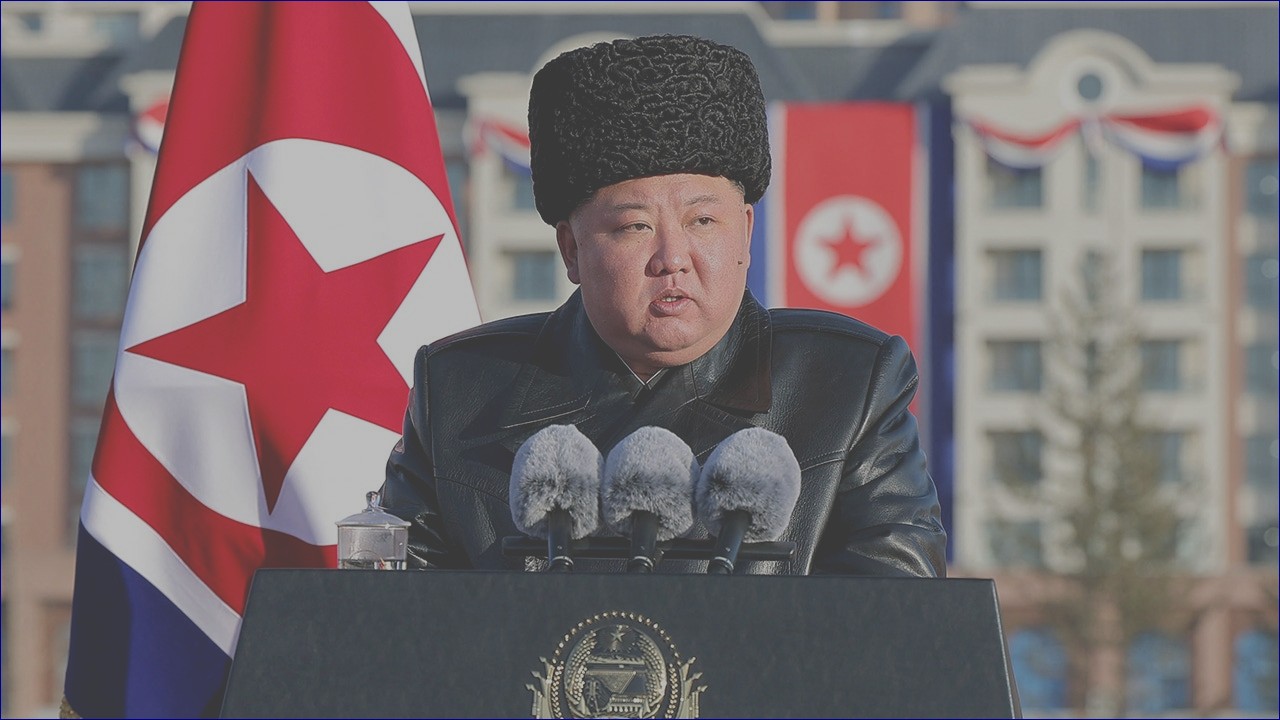
North Korea has made a significant change to its constitution, stating that a nuclear strike will be carried out if leader Kim Jong Un is killed. This decision arises in a climate of increased global tensions, particularly following the assassination of Iran’s Supreme Leader Ali Khamenei, which occurred during a coordinated military operation involving the U.S. and Israel.
The amendment was approved by North Korea’s Supreme People’s Assembly during a session that took place on March 22 in Pyongyang. Recent briefings from South Korea’s National Intelligence Service revealed details of the update, which outlines how North Korea will respond if its leadership faces threats.
The newly updated policy specifies that if hostile forces endanger the control over the country’s nuclear arsenal, an immediate nuclear response will be initiated. This measure reflects Kim’s ongoing commitment to fortifying North Korea’s military capabilities.
Earlier reports indicated that the North Korean constitution now officially recognizes the border with South Korea, eliminating previous language about reunification. This marks a notable shift in North Korea’s stance, as it acknowledges both Koreas as separate entities for the first time.
In recent statements, Kim has positioned South Korea as the primary adversary and pledged to enhance North Korea’s nuclear power further. He has also accused the United States of hostility, highlighting a potential increase in North Korea’s involvement in global military dynamics amid rising tensions.
The shifts in North Korea’s stance and military policy underscore ongoing anxieties in the region and draw attention to the complexities of international relations.
