
Experts Urge Action on Iran’s Nuclear Potential
Nuclear weapons experts are raising concerns about the need for the U.S. government to specifically ban Iran’s use of plutonium in any future nuclear deal. While much focus has been on Iran’s uranium programs, there are fears that Iran may exploit overlooked opportunities to develop plutonium-based nuclear weapons.
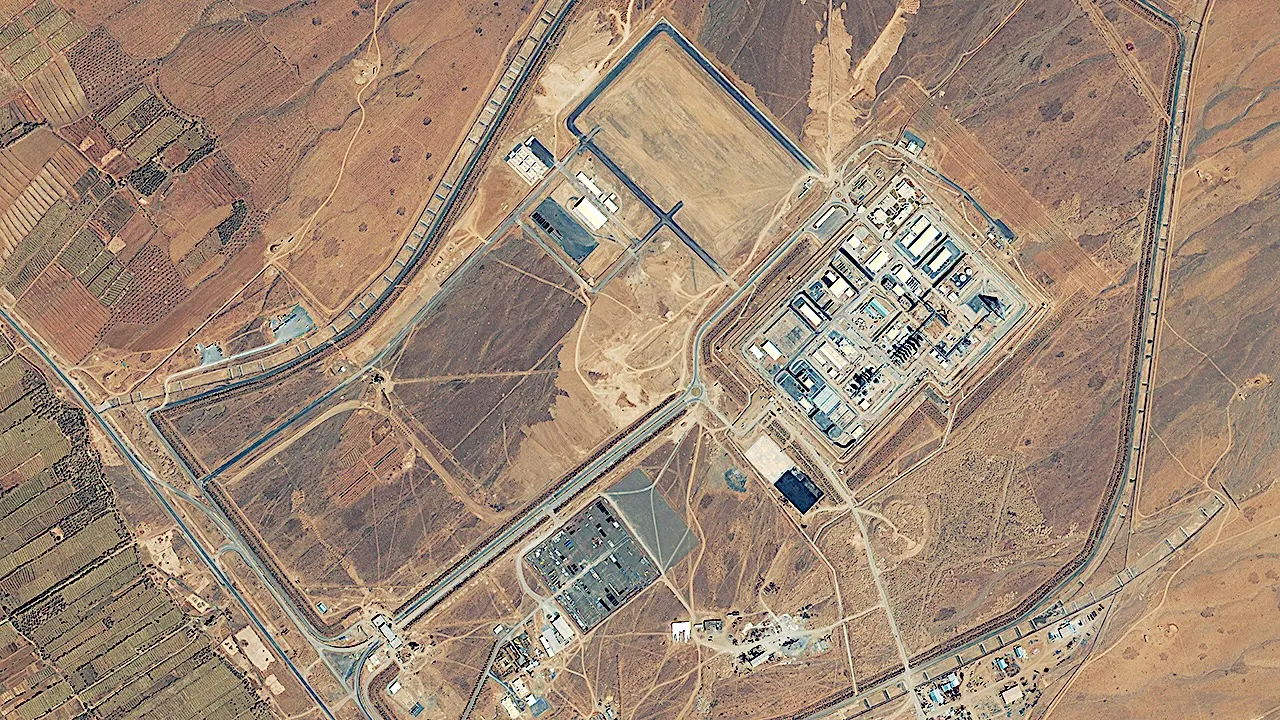
Jason Brodsky, a policy director at United Against Nuclear Iran (UANI), highlighted that any deal with Iran should directly address the plutonium issue. He noted that Israel has targeted Iran’s Arak heavy water reactor multiple times in recent years, fearing that Iran might try to restart plutonium production not long after these strikes.
Henry Sokolski, from the Nonproliferation Policy Education Center, expressed worry that Iran could utilize plutonium from spent fuel at the Bushehr nuclear reactor for weapon development. He urged officials to prevent Iran from removing this spent fuel, suggesting that U.S. surveillance methods, including drones, could be employed to monitor the situation effectively.
In an April article, Sokolski noted that Iran has enough plutonium for potentially over 200 nuclear bombs. He pointed out that the last inspection by the International Atomic Energy Agency (IAEA) at Bushehr occurred in August 2025, and that such visits were infrequent, leaving potential opportunities for diversion.
A spokesperson for the State Department stated that Iran’s nuclear program poses a serious threat, urging Iran to engage in meaningful negotiations to resolve these issues.
David Albright, a physicist and former weapons inspector, expressed skepticism regarding the likelihood of Iran using plutonium from Bushehr for weapons. He noted that developing such a weapon would face significant challenges, both technically and politically.
Despite these expert opinions, concerns remain about Iran’s intent to pursue nuclear capabilities. Andrea Stricker from the Foundation for Defense of Democracies emphasized the importance of a permanent ban on plutonium reprocessing in any new deal with Iran.
As discussions continue, experts advocate for increased monitoring and oversight of Iran’s nuclear sites to safeguard against potential nuclear proliferation.
