
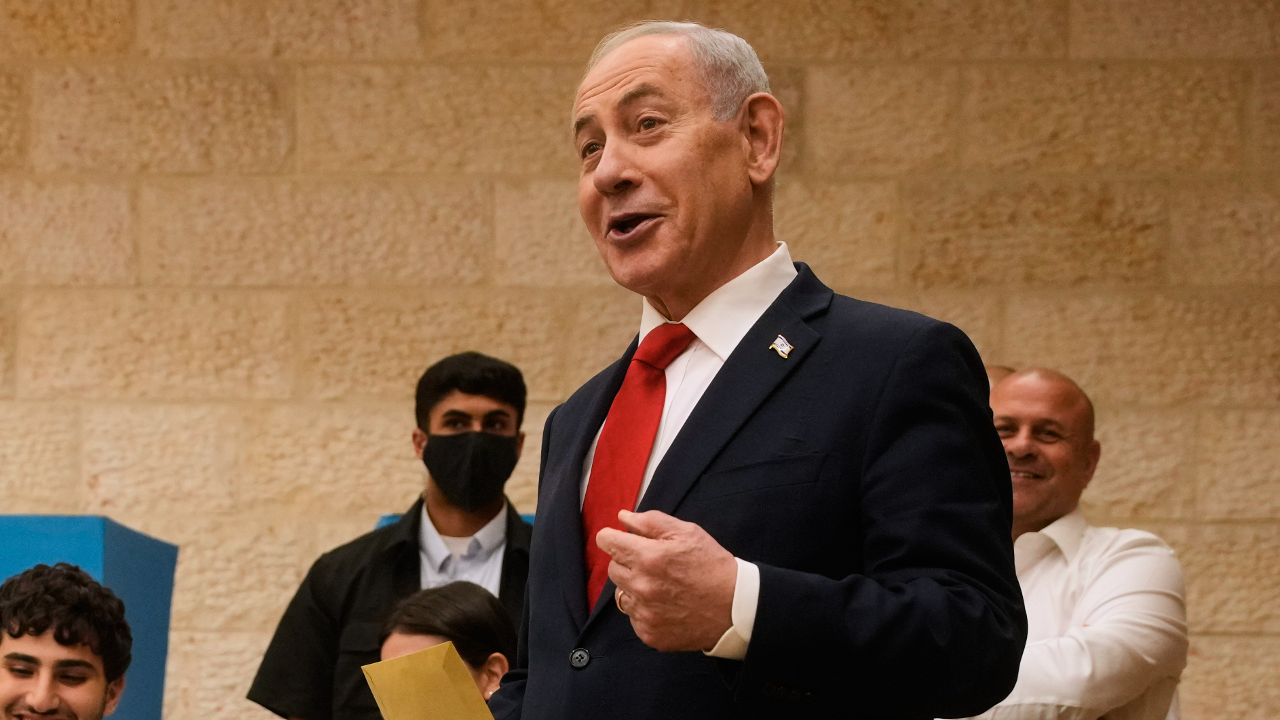
Trump Backs Netanyahu Ahead of Israel’s Upcoming Election
As Israel approaches its national election on October 27, former President Donald Trump has publicly endorsed Prime Minister Benjamin Netanyahu for re-election. Trump praised Netanyahu, describing him as a “great warrior” and a crucial ally in the fight against Iran, which could significantly impact Netanyahu’s campaign during this critical period following the tragic events of October 7, 2023.
This election, the first since the attack by Hamas, is seen by many in Israel as a decisive moment that could extend Netanyahu’s lengthy tenure in office. His current goals include disarming Hamas and Hezbollah and countering the nuclear threat posed by Iran. In response to Trump’s endorsement, Netanyahu expressed his gratitude, affirming their joint commitment to preventing Iran from acquiring nuclear weapons.
Election Landscape and Challenges Ahead
The upcoming election will feature Netanyahu facing off against several challengers, including former Israeli army chief Gadi Eisenkot, who is emerging as a strong contender. Netanyahu’s current coalition includes far-right allies like Itamar Ben-Gvir and Bezalel Smotrich, but recent polls indicate that neither his bloc nor the opposition has a clear path to securing the necessary 61 seats in the Knesset to form a government.
Political analysts suggest that if no side can create a stable government, Israel might be forced into another cycle of elections, reminiscent of the four votes held between 2019 and 2021, which caused significant political instability.
Dan Diker, president of the Jerusalem Center for Security and Foreign Affairs, commented that any future government will face the same tough security issues as the current one, making quick solutions unlikely. This election hinges significantly on national security strategies, particularly regarding military actions and preventative measures against terrorist threats.
Criticism and Legacy of Leadership
While Netanyahu portrays himself as “Mr. Security,” some critics believe he has not lived up to this image. Recent assessments suggest he has failed to meet key promises, including the dismantling of Hamas and tougher action against threats from Iran. His handling of the recent hostage crisis after October 7 also faced public scrutiny, despite ultimately securing the release of all captives.
Experts point to Netanyahu’s current term having challenges, starting with controversial judicial reforms that sparked widespread protests and continuing with the demands of his ultra-Orthodox coalition partners. Many believe his leadership could be seen as a failure in protecting civilians and managing Israel’s international relations.
Michael Oren, a former Israeli ambassador to the United States, suggested that Netanyahu views himself as a transformative leader in line with historical figures like Abraham Lincoln or Winston Churchill. Oren believes Netanyahu sees his mission as protecting Israel from grave threats, especially from Iran.
In summary, as Israel prepares for its critical national vote, the political dynamics surrounding Netanyahu’s campaign, coupled with Trump’s support and various challengers, could shape the future of the Israeli government and its security strategy.
