
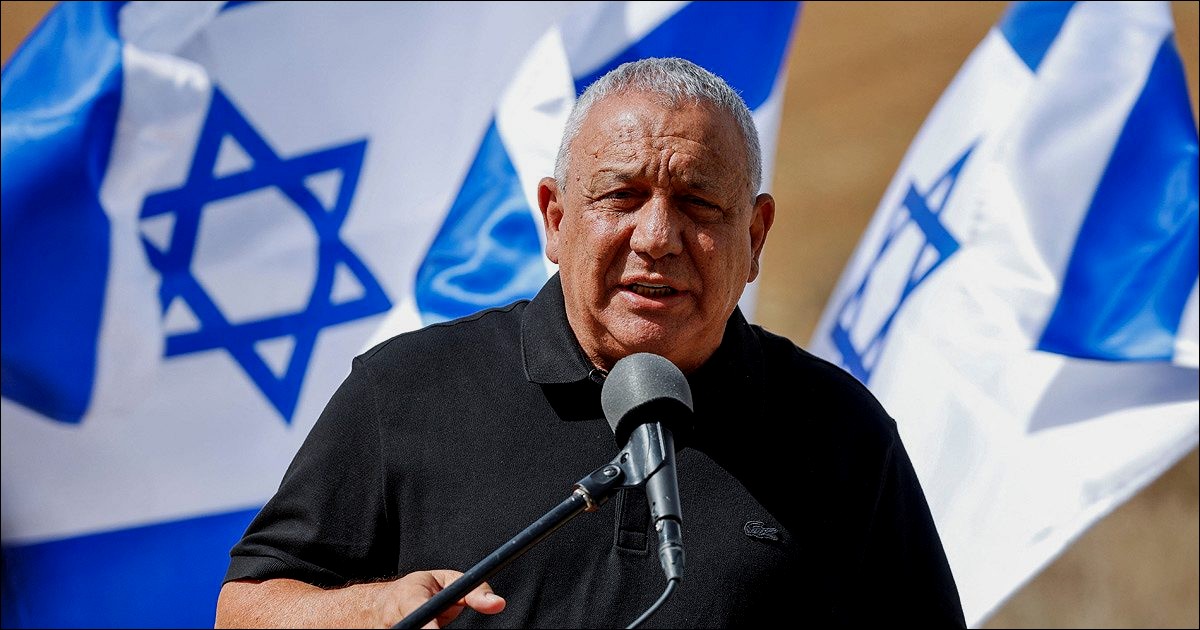
Gadi Eisenkot: A New Hope for Israel’s Political Future
Gadi Eisenkot, a retired general and leader of the Yashar Party, is making waves in Israeli politics as he challenges Prime Minister Benjamin Netanyahu. Eisenkot, who aims to become Israel’s first prime minister of Mizrahi descent, is stepping into the political arena at a crucial time—following the tumultuous events of October 7, 2023, that left the nation grappling with loss and seeking accountability.
Eisenkot, who spent decades in military service, is known for his calm demeanor rather than dramatic speeches. His message resonates with many Israelis: true leadership requires responsibility, not just retaining power. With the elections approaching on October 27, 2026, Eisenkot is positioning himself as a serious contender in the wake of the tragic Hamas attacks that shook the country.
A Shift in Political Dynamics
Israeli politics has been predominantly shaped by leaders of Ashkenazi descent. Historically, this has included most of Israel’s prime ministers, such as David Ben-Gurion and Golda Meir, up to Netanyahu. If Eisenkot succeeds, he would break this mold, marking a significant change in a political landscape often dominated by a single group.
Recent opinion polls indicate that the Netanyahu-led coalition may be losing support, with the opposition, led by Eisenkot, appearing to gain ground. Data suggests that Eisenkot’s party could secure up to 54 of the Knesset’s 120 seats, reflecting a desire among voters for a unity government.
A Personal Journey
Born in 1960 in Tiberias to Moroccan Jewish parents, Eisenkot has a deep connection to Israel’s diverse cultural fabric. He joined the army in 1978 and served for 41 years, culminating in his role as chief of the Israel Defense Forces. His transition from military to political life presents a unique perspective, especially compared to Netanyahu, whose experience lies primarily in diplomacy and politics.
Eisenkot’s life was forever altered by the Hamas attacks, as he lost his son, Master Sergeant Gal Eisenkot, serving in Gaza. This personal tragedy intensified his commitment to holding leadership accountable, and he left the emergency government in 2024, noting the lack of a clear strategy in dealing with the conflict.
A Call for Accountability
Eisenkot’s campaign centers on a promise of national renewal and a more responsible government. He seeks to investigate the failures that led to the October 7 events and advocates for increased participation in military or national service. This approach aims to appeal to voters who desire change while maintaining focus on Israel’s security.
He launched his campaign with the slogan “Israel must win,” emphasizing the importance of unity and a shared future. Eisenkot positions himself as a leader for all citizens, challenging Netanyahu’s long-standing grip on power.
The Significance of Mizrahi Identity
Eisenkot’s candidacy represents more than just a political challenge. It highlights the broader representation of Mizrahi Jews, who have historically faced discrimination and marginalization. While many Mizrahi voters have traditionally supported the Likud party, Eisenkot’s position signifies a potential shift in how these communities engage with the political landscape.
The coming elections pose an essential question: can Israel, as it emerges from trauma, find leadership that acknowledges its diversity while also offering a vision for the future?
Looking Ahead
As voters prepare to head to the polls, Eisenkot has a straightforward message: “I will unite us.” His challenge lies in proving that military experience can translate into effective civilian leadership and that accountability can exist alongside security.
The election results will ultimately depend on how Israelis respond to his vision. Regardless of the outcome, Eisenkot’s candidacy is already reshaping conversations about leadership and representation in Israel, raising the important issue of who gets to lead the nation and whose voices will shape its story moving forward.
