
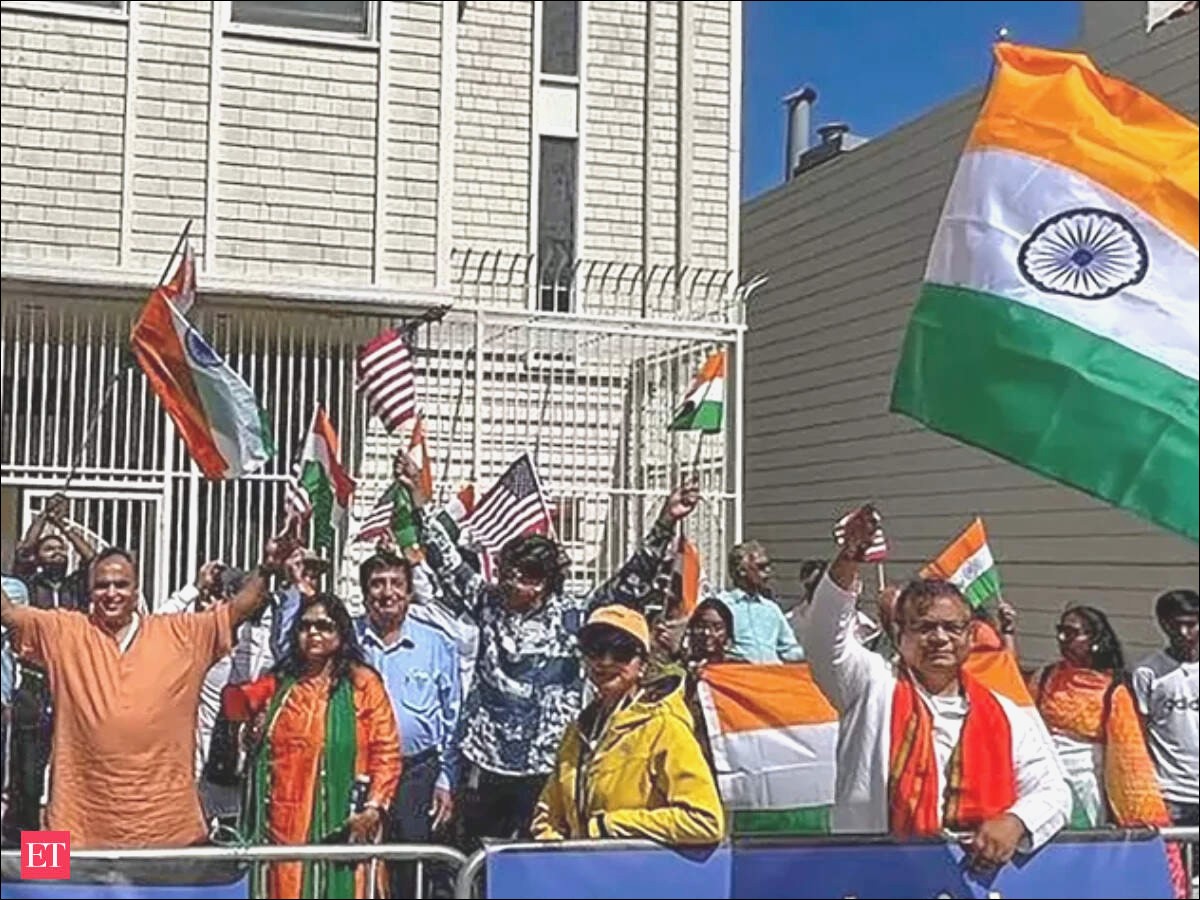
Indian-Americans are increasingly focused on supporting candidates who share their values and interests, aiming for a stronger voice in U.S. politics as the midterm elections approach on November 3.
Currently, there are six Indian-Americans in the U.S. House of Representatives, but that number may drop to four. Raja Krishnamoorthi from Illinois and Shri Thanedar from Michigan lost their Democratic primaries, which means they won’t return to Congress.
Four Indian-American representatives—Ro Khanna from California, Pramila Jayapal from Washington, Ami Bera from California, and Suhas Subramanyam from Virginia—are running for re-election. The midterm elections will determine all 435 seats in the House and about one-third of the Senate. Voters will also elect governors and local officials, making these elections crucial for shaping Congress and President Trump’s agenda.
There are several other candidates of Indian origin participating in the elections. For instance, Amish Shah, a doctor, is the Democratic nominee for Arizona’s 1st Congressional District, while Pia Dandiya is running in Florida’s 22nd District.
Krishnamoorthi, a five-term congressman, lost his bid to become the first Hindu U.S. senator from Illinois to Juliana Stratton. Thanedar lost to Donavan McKinney in Michigan, who was backed by a group gaining traction within the Democratic Party.
In the Republican arena, Vivek Ramaswamy, a biotech entrepreneur, is in the race for Ohio governor against Democrat Amy Acton, facing challenges despite Trump’s endorsement.
Many community organizations believe political representation should include candidates who advocate for Indian-Americans, not just those of Indian origin. Romesh Japra, a California-based cardiologist and founder of Americans4Hindus Political Action Committee, emphasizes the need to support politicians who are sympathetic to their community’s concerns.
Japra’s PAC is endorsing Democratic candidates like James Walkinshaw and Suzan DelBene while also supporting Republican candidates such as Jenny Rae Le Roux and incumbent Senator James Risch.
Ajay Jain Bhutoria, a former White House advisor, suggests that Indian-American candidates should broaden their appeal and focus on issues relevant to all voters in their districts.
The Indian-American community holds significant influence in key states like California, Texas, and New Jersey. Even a small change in voter support in these battleground states can sway election results.
For statewide positions, Indian-origin candidates are also making strides. Sarita Komatireddy is challenging incumbent Letitia James for New York Attorney General, while Lieutenant Governor Aruna Miller of Maryland seeks re-election. In Los Angeles, Nithya Raman, of Kerala descent, is running for mayor against her former mentor, Karen Bass.
Japra argues that more participation in elected roles is vital for the community’s influence on public policy. He believes that the community needs representation in key decision-making roles or risk being sidelined.
Community leaders note that divisions within the Indian-American community can hinder political success. When multiple candidates with similar backgrounds run against each other, it can split the vote, allowing candidates from smaller communities to win.
Overall, the Indian-American community is striving for greater political engagement to secure a place at the decision-making table and enhance their representation in U.S. politics.
