
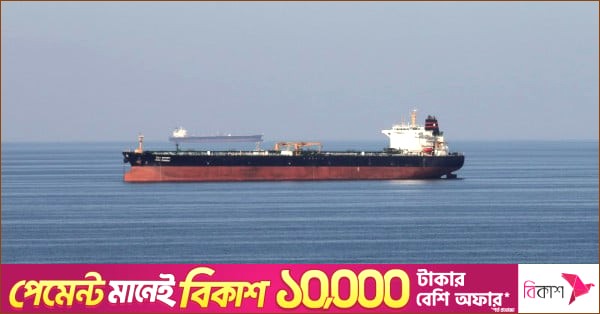
Global Concerns Amidst Gulf Conflicts: The Future of Oil and Gas
Every time conflict arises in the Gulf region, worries resurface—not only about rising oil prices but also regarding the stability of an area that supplies about one-third of the world’s seaborne crude oil. This time, the concerns run deeper. If warfare continues to disrupt production sites, export terminals, or crucial shipping routes, could we be approaching the end of the oil era in the Middle East? Is the global community ready to transition away from oil, gas, and the Middle East itself?
The current economy has heavily leaned on affordable fossil fuels. While coal powered the Industrial Revolution, oil emerged as the leading energy source after World War II, especially as Gulf producers increased output. Natural gas followed closely, becoming vital for electricity, industry, and domestic use. Despite the rapid growth of renewable energy sources, oil and gas still make up more than half of the global energy consumption.
Is Oil’s Relevance Declining?
While the 21st century is often seen as the phase for renewable energy, fossil fuels are likely to remain a key part of the global energy framework for many years to come. Oil and gas are still essential for transport, heavy industries, petrochemical production, and heating, even as electricity grows cleaner.
Renewable energy is expanding, but electricity only meets part of the world’s energy needs. Aviation still relies on jet fuel, shipping uses oil, and many industries depend on crude oil. Though oil’s market share is slowly decreasing, its importance is still significant, and the transition to alternatives is still in progress.
The Gulf’s true advantage is not just its oil reserves but the fact that it offers abundant, low-cost oil.
Can the World Find Alternatives to Gulf Supplies?
Countries in the Gulf contribute over 20% of the world’s crude oil production and about 10% of global natural gas output. This region holds around 33% of proven global oil reserves and 21% of natural gas reserves. A substantial amount of this oil and liquefied natural gas passes through the Strait of Hormuz, making global supplies deeply reliant on stability in the region. With escalating conflicts impacting key maritime routes, the safety of these channels is now at risk.
If both the Strait of Hormuz and Bab el-Mandeb face disruptions, it could hinder approximately one-fifth of the world’s oil and one-tenth of its gas from reaching the market.
Possible alternative suppliers include the United States, Canada, Brazil, Guyana, and Norway. While some of these nations are increasing their production, the process of building necessary infrastructure cannot happen overnight. Although they may fill some gaps in supply, they cannot instantaneously cover the large deficit from the Gulf region. Sanctions on Russia and Venezuela have also limited their ability to contribute.
If prolonged conflicts push oil prices to $120-$150 per barrel for an extended period, the world may face heightened inflation, increased shipping costs, and rising prices of food and essential materials. This could slow down trade significantly, causing severe impacts on smaller economies like Bangladesh. There, government subsidies would rise, and debt issues could become more pronounced.
High prices and scarce oil could accelerate the transition to electric vehicles and renewable energy, but such changes typically take decades to implement. In the meantime, rising energy costs might reverse the global shift towards clean energy. Countries facing energy crises sometimes revert to coal and fossil fuels, even while investing in sustainable options for the long term.
Implications for Bangladesh
The world is unlikely to fully move past oil and gas anytime soon, and finding alternatives to the Middle East’s reliable supply remains a daunting task. Any disruptions in vital shipping routes can lead to significant price shocks, raised inflation, and delayed economic recovery across many nations.
Fortunately, there are positive signs that diplomatic efforts can prevail. Despite recent tensions, both the US and Iran have expressed interest in reopening talks. If successful, this could stabilize the Strait of Hormuz. Meanwhile, Saudi Arabia is forming alliances to enhance maritime security in light of ongoing threats.
While oil companies are seeing substantial profits from price increases related to conflicts, Middle Eastern countries face considerable damage to their oil and gas infrastructures, with some facilities requiring years to recover.
The necessity for oil and gas will remain, and the Middle East must also continue to safeguard its resources, which are vital for its economies amid efforts to diversify.
The longer conflicts last in the Gulf, the greater the risks for both the region and countries dependent on energy imports. Bangladesh, in particular, finds itself in a vulnerable position. Its economy relies heavily on affordable energy imports and trade, both closely tied to Gulf supplies and shipping routes. Disruptions could lead to increased import costs, ongoing inflation, and slower economic growth, potentially jeopardizing Bangladesh’s access to its key labor markets.
While Bangladesh cannot influence far-off conflicts directly, it can strive for balanced foreign relations with Gulf nations, diversify its energy sources, and avoid decisions that might threaten fuel supplies or essential shipping routes.
