
Focus Remains on Iran’s Nuclear Program Amid Ongoing Talks
As discussions surrounding the Strait of Hormuz progress, experts are urging the U.S. government to remain vigilant about Iran’s nuclear ambitions.
Recently, Israeli Prime Minister Benjamin Netanyahu responded to statements made by Ahmad Vahidi, the head of Iran’s Revolutionary Guards, who insisted that Iran’s efforts to develop nuclear capabilities would persist, regardless of diplomatic negotiations.
The comments, which gained traction after being reported by an Iranian outlet, were later clarified to have originated earlier when Vahidi served as the country’s interior minister. He suggested that while Iran officially claims it is not pursuing a nuclear bomb, the country has the potential to act on this if it chooses.
In a speech marking the reinterment of significant historical figures, Netanyahu reiterated his firm stance against Iran obtaining nuclear weapons. “Israel’s existence is not negotiable,” he declared, affirming his commitment to protect the nation’s security, with or without an agreement in place.
The debate over Iran’s nuclear program comes as tensions in the region remain high. Trump administration officials emphasized that the negotiations need to center on Iran’s nuclear capabilities, warning that the current crisis could be used by Tehran to gain concessions that may not address core nuclear concerns.
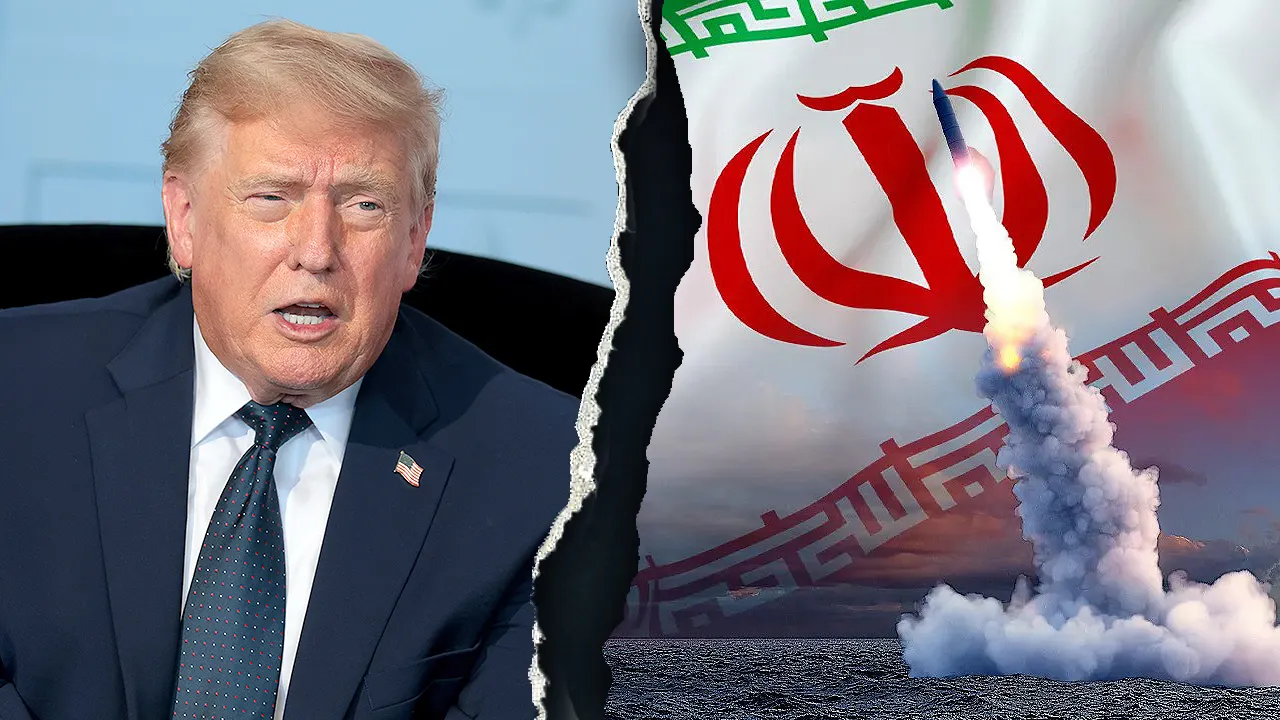
President Trump stated that military action could be considered if negotiations stall. “If they back out again, they’re going to get hit really hard,” he noted during an interview, underscoring the urgency of the matter. He mentioned that talks began with a focus on reopening the Strait of Hormuz before diving into nuclear issues.
Experts believe that Iran is trying to leverage the situation to extract significant concessions from the U.S., potentially sidelining the nuclear discussion. Andrea Stricker from the Foundation for Defense of Democracies pointed out that if the U.S. focuses too much on broader issues like the Strait of Hormuz, it could weaken its negotiating leverage regarding Iran’s nuclear program.
“Leaving nuclear issues unaddressed could allow Iran to maintain its nuclear capabilities without significant limitations,” she added.
Moreover, sources indicate that Iran might seek control over shipping in the Persian Gulf, which could further complicate negotiations. The proposal includes Iran potentially imposing fees on vessels passing through key waterways, a move that the U.S. is currently opposing.
As these talks unfold, experts advise that any agreement on sanctions relief should be paired with tangible, verifiable commitments from Iran regarding its nuclear activities. This strategy aims to build trust gradually rather than risk an all-or-nothing outcome that could leave critical nuclear concerns unresolved.
The focus on these negotiations remains crucial, as Iran continues to assert its position while the U.S. and its allies navigate the complex geopolitical landscape.
