
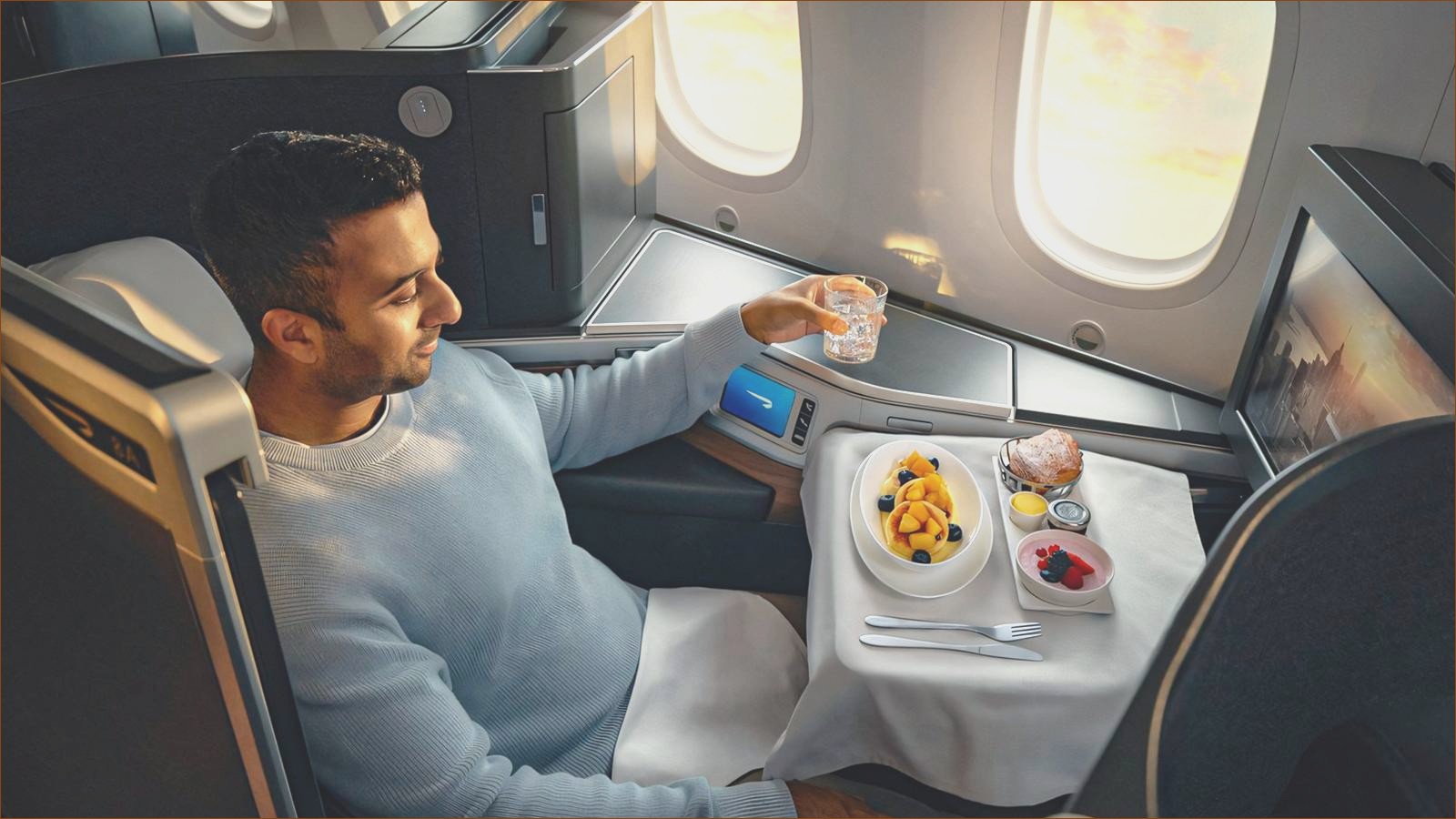
A Brief History of British Airways and Its Premium Offerings
In the year 2000, British Airways made a significant move by being the first airline to introduce lie-flat seats in business class on its transatlantic flights from London Heathrow to New York JFK. This innovation not only elevated the standard of business travel but also reshaped what passengers expect from business class. Since then, many airlines have embraced this trend, adding amenities like sliding privacy doors and top-notch dining experiences to their business class offerings.
Following British Airways’ lead, other airlines such as Cathay Pacific and Singapore Airlines quickly jumped on the bandwagon. By 2003, Virgin Atlantic had also rolled out lie-flat seats in its Upper Class. By the end of the decade, such amenities had become a necessity in long-haul business travel.
British Airways and Its Focus on Premium Travel
British Airways has really set a standard in premium air travel, especially in Europe. The airline, with its base in London, benefits greatly from high demand for flights coming in and out of the city. Unlike airlines that rely heavily on connecting passengers, British Airways has a more stable base with direct travelers.
The airline thrives on the corporate demand in its primary routes, particularly across the Atlantic. Limited slots at London Heathrow, one of the busiest airports, mean that the airline needs to maximize revenue from its flights by focusing on premium services rather than just filling as many seats as possible.
To illustrate, in its Boeing 777-300ER aircraft, which typically holds around 392 passengers, British Airways has configured these planes to seat just 256. About 48% of these seats are dedicated to premium travelers, showing how vital these customers are to the airline’s business model.
While flights from Heathrow focus on high-paying travelers, British Airways also has a secondary base at London Gatwick. From here, the airline serves more leisure-oriented destinations, which generally attract fewer premium passengers. In fact, its Boeing 777-200ER planes at Gatwick have less than 25% of their seats in premium cabins, highlighting the difference in service focus compared to the Heathrow operations.
Unique Business Flights
British Airways once operated a unique all-business class service on its Airbus A318 between London City Airport and New York JFK. Although this service was discontinued in 2020 due to the pandemic, it featured just 32 seats, all of which converted into lie-flat beds. This setup was designed for the steeper approach to London City Airport and even required a fuel stop in Shannon, allowing passengers to complete US pre-clearance there.
This service was a nod to the gap left by the retirement of Concorde, which previously offered supersonic travel for premium passengers.
Leading the Way in Premium Economy
Alongside its premium business class, British Airways introduced a premium economy cabin known as “World Traveler Plus.” This cabin offers more legroom and better dining options, catering to travelers wanting more comfort without the full business class price. Premium economy has become popular as airlines aim to meet the demand for more comfortable travel at lower costs.
The introduction of lie-flat seats in business class has created a larger gap between regular economy and business class, further emphasizing the appeal of premium economy as a middle ground.
Facts About British Airways
Founded in 1974, British Airways operates as the UK’s flag carrier and primarily uses London Heathrow as its hub. It works within the oneworld alliance, established in 1999 alongside notable partners like American Airlines and Qantas. In 2011, British Airways merged with Spain’s Iberia, forming the International Airlines Group (IAG), which has since expanded to include other brands like Vueling and Aer Lingus.
Today, British Airways has a diverse fleet of 298 aircraft, primarily made up of Boeing and Airbus models, which is utilized to service major high-demand markets, particularly in the US. This focus helps them maximize profits, crucial given the congestion at Heathrow.
IAG, publicly traded and one of Europe’s largest airline groups, recorded strong financial results in 2025, showcasing the airline’s significant role in the travel industry.
