
Protests in India Use Humor as a Tool for Change
By UNB/AP
July 25, 2026
In a unique twist to traditional protests, the Cockroach Janta Party (CJP) is leading a movement that employs humor to voice concerns over education issues in India. This creative approach has allowed young demonstrators to express their frustrations while engaging a wider audience online.
With an ongoing protest in New Delhi, participants are actively sharing jokes, satirical content, and memes across social media, targeting the government and its handling of scrutiny surrounding exam paper leaks. Observers note that this online activity has broadened the appeal of the movement and has effectively increased pressure on the authorities.
The CJP is making waves by integrating wit into their demonstrations. For instance, some protest videos cleverly remix police chases to resemble popular mobile games, while others poke fun at maintaining fitness goals despite the chaos of protests. Women in the movement have further embraced social media trends, posting “get ready with me” videos showcasing their creative protective gear for rallies.
Parody content has also gained traction, with participants mockingly responding to claims that they are “anti-national” or influenced by foreign interests. Protesters have shared that humor not only eases the stress associated with the demonstrations but also resonates more deeply with younger people.
According to a 25-year-old protester, today’s youth are less inclined to accept issues without question. They prefer to channel their frustrations through platforms like social media, making their voices heard.
The protests were sparked by allegations of irregularities in competitive exams, notably the leak of crucial entrance tests for medical programs in India. Participants are calling for the resignation of Education Minister Dharmendra Pradhan, criticizing the government’s failure to maintain the integrity of the examination system. What began as specific demands has now expanded into a broader call for accountability across the government.
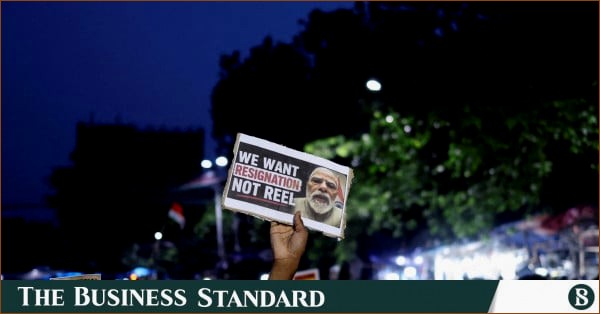
At protest sites, many demonstrators showcase their creativity—carrying humorous signs and wearing costumes that reference popular culture. Supportive slogans include light-hearted messages such as, “When will AI take his job?” and “Every joke is a small revolution.” Other slogans reflect the straightforward communication style favored by younger generations, who tend to favor concise messages over lengthy speeches.
The movement has even begun to target Prime Minister Modi more directly. Known for his savvy social media presence, Modi has now become the subject of mockery in parody videos. Recent protests featured edited clips of Modi’s speeches that poked fun at his promises regarding the exam leaks, with humor often resonating widely among the public.
A 21-year-old student emphasized the effectiveness of using social media to challenge authority, stating, “We’re just answering him in his own language.”
Overall, the integration of humor into these protests is not only making a statement but also inspiring a generation to engage actively in the political dialogue surrounding education reform in India.
