
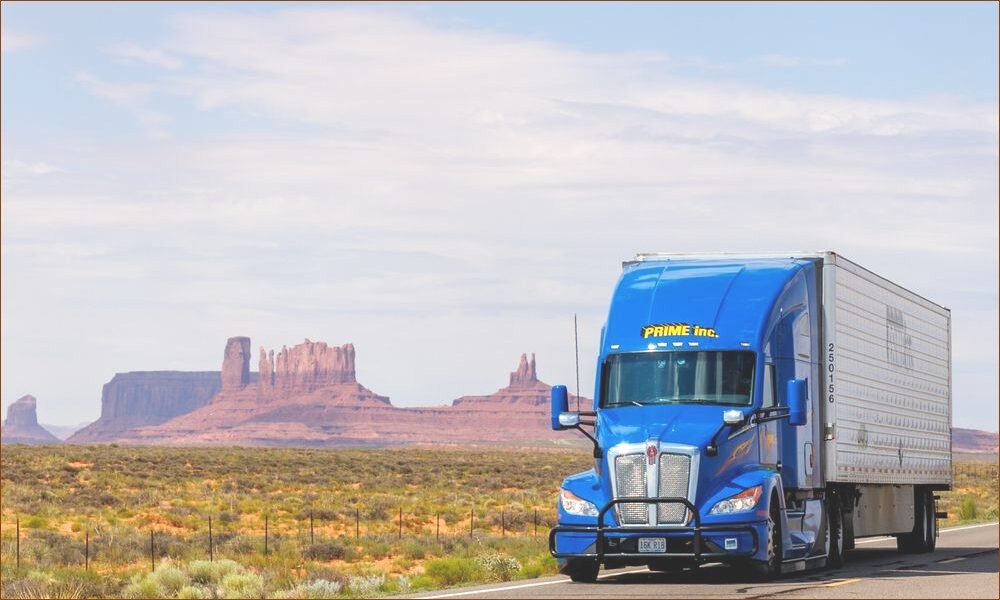
Transporting goods across the nation is a massive task that requires significant energy and constant movement. The trucking industry is constantly adapting to new demands and emissions regulations that change every year. Freight companies are on the lookout for innovative ways to stay profitable while meeting these evolving standards.
Engine designers are exploring new possibilities to keep pace with the world’s shipping needs. Major changes are expected on highways as new designs enter production. Fleet operators need to get ready for these modifications now.
Combining Old Power with New Needs
Fleet managers often examine older models to gauge current durability standards. Classic designs have shown that heavy machinery can run for millions of miles with simple maintenance, a bar that modern models are striving to surpass. Reliable frameworks have laid the groundwork for the history and design of modern transportation.
Dependability remains a key topic for long-haul truck operators. Many fleets still depend on older engines, like the Cummins N14, for heavy loads on regional routes. These older systems provide reliable service for teams that prefer straightforward mechanical setups over complex electronics.
Finding a way to combine old-school reliability with modern efficiency is a top goal for truck manufacturers. Engineers are learning from past successes to create stronger systems for the future. New models aim to blend classic durability with strict environmental standards.
Moving Towards Cleaner Fuels
Alternative fuels are becoming more popular in regional logistics hubs throughout the country. Options like natural gas and hydrogen are moving away from traditional petroleum solutions. Carriers are searching for methods to lower emissions without sacrificing the torque needed for heavy cargo.
Manufacturers are creating efficient engine designs that can easily switch between fuel types with few mechanical changes. This built-in adaptability allows shipping companies to adjust quickly to changing fueling networks. Fleet managers can select the fuel type that aligns best with their operational budgets.
Shifting away from regular diesel demands a significant overhaul of existing highway infrastructure. Data tracking shows that truck stops will need to install specialized pumps to accommodate new, cleaner systems, starting with routes near major cities.
Electric Options for Short Hauls
Short-haul delivery routes are leading the way in battery-powered logistics. Local delivery vans and medium trucks can return to a central depot for overnight charging, making battery management straightforward for fleet managers.
A notable consulting report indicated that by 2030, over 20% of transportation will likely become electrified. This highlights the rapid adoption of electric vehicles on specific commercial routes, and fleet owners are closely monitoring these developments as battery technology evolves.
However, several important factors influence how quickly electric vehicles integrate into the larger freight market. Logistics companies have to analyze three key challenges before making the switch:
- Battery weight impacts total cargo capacity on long-distance trips.
- Charging times can disrupt daily routes and driver hours.
- Initial costs for new electric systems require substantial investments.
Automation in Heavy Transport
New computer guidance technology is changing how trucks operate on open highways. These automated features help reduce driver fatigue during long hauls as computers can maintain steady speeds that are more consistent than manual driving.
A recent study has shown an increase in the deployment of heavy-duty autonomous trucks on interstates, in ports, and along industrial routes. Self-driving systems enhance fuel efficiency by reducing sudden acceleration and braking. Computers also monitor traffic patterns to optimize travel times and avoid congestion.
Safety remains a top priority as automated vehicles are introduced. Human operators continue to supervise these systems from inside the cab, especially in complex city environments, ensuring both safety and effective testing of new technology.
Financial Concerns and Policy Changes
Updating an entire logistics fleet requires careful financial planning and asset management. Investing in untested powertrain technology can burden small transport companies significantly. A poor choice can jeopardize a regional carrier’s future in a competitive landscape.
Experts suggest that technology will keep advancing rapidly, with risk factors and costs balanced alongside a potential easing of regulations, which could drive wider adoption beyond 2030. Freight companies need to assess long-term forecasts before investing in new trucks. Uncertainty in the market complicates choices for independent operators.
Government incentives may help cover some initial costs for shipping companies eager to adopt new technologies. Consistent environmental policies can promote long-term investments in cleaner transport options. Fleet owners prefer clear regulations before committing significant funds to new engine designs.
Improving Diesel Efficiency for Today
Traditional diesel engines aren’t going away anytime soon. Advanced thermal management systems help extract more energy from every drop of ultra-low-sulfur diesel, keeping these older fuels viable for heavy transport.
High-pressure fuel injection systems enhance the combustion cycle, reducing soot production. These fine-tuning measures enable current engines to meet strict air quality standards without sacrificing power. Trucking fleets can operate cleaner while maintaining performance.
Modern diesel technology now focuses on key areas to compete with electric alternatives. Manufacturers prioritize advancements like:
- Ceramic coatings to reduce friction in engine cylinders.
- Smart turbochargers that adjust to engine load changes immediately.
- Predictive cruise control software that optimizes fuel flow for different terrains.
Hybrid Power for Heavy Duty Tasks
Mixing diesel engines with electric motors provides a balanced approach for specialized trucks. Vehicles like dump trucks and concrete mixers benefit from instant electric torque during stop-and-go operations, significantly reducing fuel use while idling.
Onboard battery systems capture energy during braking, naturally recharging the system. This captured energy aids the main diesel engine during steep climbs with heavy loads, while regenerative braking prolongs brake life.
Hybrid setups also minimize wear and tear on engines, lowering maintenance costs and making them appealing for contractors managing lengthy projects.
Smart Technology for Predictive Maintenance
Modern sensors monitor every aspect of engine performance in real time during transport. This data is analyzed in the cloud to identify potential mechanical issues before they lead to breakdowns on the road, saving companies both time and money.
Fleet managers receive automated alerts when parts show signs of stress, helping to avoid costly towing and missed delivery schedules. Logistics teams can stay ahead of regular maintenance easily.
Connected trucks also share operational information with manufacturers, leading to improved engine designs in the future. Continuous monitoring creates a feedback loop that benefits the logistics industry as a whole, resulting in better performance and reliability.
The shipping industry is evolving into a diverse landscape where various technologies can work together. No single solution will fit every route or need. Companies will choose different trucks based on specific demands. Adapting to new technology is crucial for remaining competitive in this changing market, and the highways of tomorrow will look very different from those of today.
