
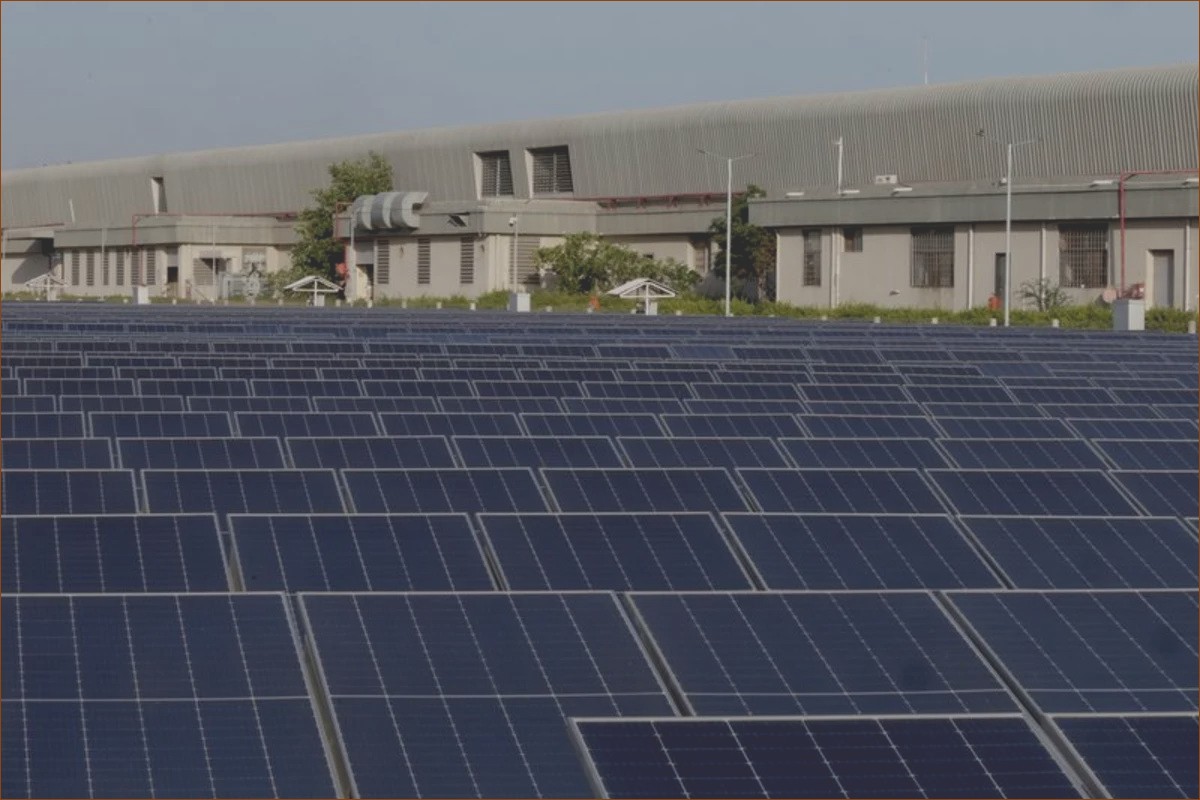
Solar Panel Production Faces Challenges in India
NEW DELHI/BEIJING, July 23 – Indian solar panel manufacturers are struggling to keep their operations running as they encounter delays of up to eight months in obtaining domestic components to replace Chinese imports. This issue arises as the Indian government aims to increase local manufacturing capabilities.
Industry insiders report that the recent policy changes, effective from June 1, could threaten around 4 billion dollars in investments and thousands of jobs, jeopardizing India’s plan to boost solar energy production by 2030.
Shailendra Shukla, chairman of Icon Solar, noted, “We’ve faced significant losses over the past three months due to the lack of domestic cells.” He predicts that his company’s output will drop dramatically from 3.2 gigawatts to only 1 gigawatt.
According to the All India Solar Module Manufacturers Association, nearly a third of India’s 140 small to medium-sized solar panel producers, who account for 60% of the country’s manufacturing capacity, have paused production. The remaining manufacturers are operating only three to four days a week.
Those unable to produce their own cells find themselves in long waiting queues and face rising costs, as Indian-made solar panels are now almost twice as expensive as those using Chinese cells.
While India’s clean energy ministry has not officially reported production halts, it is monitoring the situation closely, anticipating that domestic cell manufacturing will meet demand within six months.
However, building the necessary facilities for solar cell production takes time and China’s restrictions on technology exports have compounded the problem.
Impact on India’s Solar Goals
These delays could slow down solar projects, raising costs and potentially hindering India’s target of reaching 500 gigawatts of non-fossil fuel power by 2030, a jump from the current 288 gigawatts. Increasing electricity demand means that any slowdown in solar deployment may lead to greater reliance on fossil fuels, particularly coal, thus delaying the transition to cleaner energy alternatives.
Currently, solar energy constitutes about 29% of India’s non-fossil fuel power capacity, with expectations to grow to 292 gigawatts by 2030, according to the Central Electricity Authority. Despite the ability to manufacture solar panels amounting to about 200 gigawatts, Indian firms can produce only 27 gigawatts of solar cells.
Manufacturing Shortages and Future Prospects
The manufacturing gap is significant, with operational cell manufacturing capacity estimated at only 16 to 18 gigawatts. Addressing this shortfall will likely take three to five years, as manufacturers need time to set up new facilities which require substantial investment and technology partnerships.
India’s dependency on China for about 95% of solar cell imports—rising by 37% last fiscal year to around 1.86 billion dollars—adds another layer of complexity. Chinese export restrictions on technology and equipment have become a barrier, with several Indian manufacturers expressing concerns about potential repercussions from the Chinese government when discussing these restrictions.
Experts believe that China’s stringent control over the solar industry will make it challenging for India to quickly ramp up local production.
Conclusion
The solar industry in India is at a crossroads, facing significant hurdles that threaten job security and future growth in the renewable energy sector. With rising costs and delays in production, the commitment to clean energy may be jeopardized unless immediate actions are taken to improve local manufacturing capabilities.
As the industry navigates these challenges, the need for a strategic approach to enhance domestic cell production remains critical.
