Close Menu
  • Home
  • World News
  • India News
  • Business News
  • Health
  • Sports
  • Indian Diaspora In US
  • Technology
  • Bollywood
  • Education
Facebook X (Twitter) Instagram
Wednesday, July 22, 2026
Breaking News
  • Breakthrough Vaccine Shows Early Promise in Fending Off Pancreatic Cancer
  • Discover the Rise of India’s ‘Cockroach’ Movement Taking on Modi
  • Chennai Grand Masters: Alireza Firouzja Seals Victory in Title Clash with Arjun Erigaisi
  • Rubio: Iran Sends IRGC Forces to Bolster Houthi Rebels in Yemen
  • WEKA Launches WEKApod 3: The Ultimate AI Storage Solution for Demanding Agentic Tasks
  • Amaal Mallik Calls Out Rival’s “Paid PR” Attack on Awarapan 2 Soundtrack: “Invest in Your Next Films!”
  • India Weaves Climate Action into Everyday Narratives
  • Rahmat Shah Takes the Helm as Afghanistan’s New Test and ODI Captain Following Shahidi’s Resignation
Facebook X (Twitter) Instagram
India Bulletin
Advertisement
  • Home
  • World News
  • India News
  • Business News
  • Health
  • Sports
  • Indian Diaspora In US
  • Technology
  • Bollywood
  • Education
India Bulletin
Home»Health»Breakthrough Vaccine Shows Early Promise in Fending Off Pancreatic Cancer
Health

Breakthrough Vaccine Shows Early Promise in Fending Off Pancreatic Cancer

July 22, 20263 Mins Read
Facebook Twitter Email
Share
Facebook Twitter Email


Exciting New Vaccine for Pancreatic Cancer Shows Promise

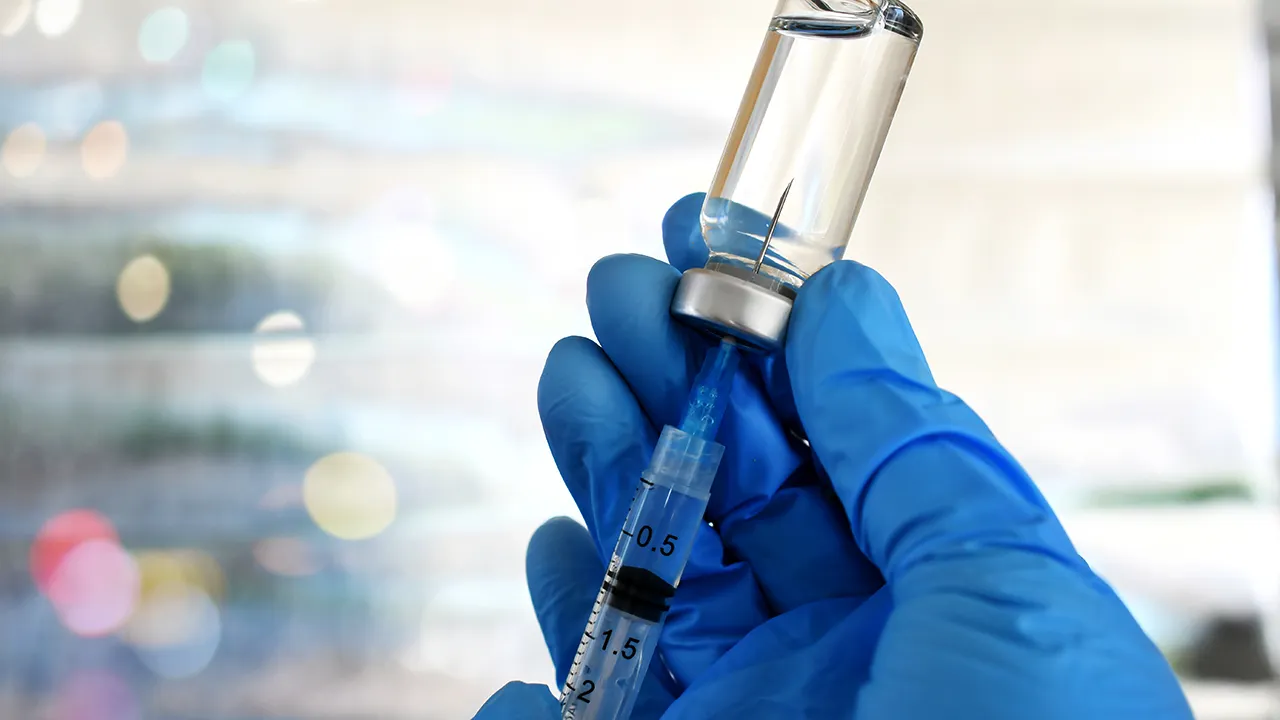
A groundbreaking new vaccine aimed at preventing pancreatic cancer has shown positive results in an early study conducted by researchers at Johns Hopkins School of Medicine in Baltimore, Maryland.

This phase 1 trial, published in the journal Cancer Discovery, focused on an experimental vaccine named mKRAS-VAX, enrolling 20 participants who are at an increased risk for pancreatic ductal adenocarcinoma (PDAC), the most common and aggressive type of pancreatic cancer. Notably, these individuals had not yet been diagnosed with the disease but had abnormal findings, often in the form of pancreatic cysts.

The study involved participants receiving four doses of the vaccine at specific intervals—weeks one, three, and five, followed by a booster shot at week 13. This vaccine was particularly designed to target six common mutations of the KRAS gene, which are responsible for driving over 90% of PDAC cases.

The results were promising: 90% of participants developed an immune response specifically targeting the mutant KRAS. On average, there was an 18-fold increase in immune activity, with half of the participants responding to all six mutations.

Additionally, the vaccine helped generate two types of T cells. One type is designed to attack abnormal cells, while the other aids in maintaining long-term immune memory. Most participants only experienced mild side effects, such as soreness at the injection site and temporary flu-like symptoms.

While the primary aim of the trial was to assess safety rather than effectiveness, the follow-up period of around 16.5 months revealed that no participants developed pancreatic cancer. Encouragingly, 37.5% of the vaccinated individuals experienced a reduction or complete disappearance of the pancreatic cysts that initially raised their risk for the disease.

Dr. Neeha Zaidi, an associate professor of oncology at Johns Hopkins, emphasized the vaccine’s long-lasting immune response, which is crucial for preventing cancer. She noted that its safety and toleration make it suitable for larger studies aimed at cancer prevention.

Co-author Dr. Michael G. Goggins highlighted the potential of the vaccine to stabilize or even regress pancreatic cysts, although he stressed the need for larger studies to confirm these findings.

The study acknowledged its limitations, including the small sample size and its design focused on safety over clinical effectiveness.

Dr. Elizabeth Jaffee, another senior author, reiterated the importance of developing effective strategies for cancer prevention, especially for fast-growing cancers where early detection methods are not yet effective.

Jaffee called for increased funding to advance research in creating better vaccines, determining optimal targets, and establishing the best timing for vaccinations.

This initial study marks a significant step toward the potential use of vaccines in thwarting pancreatic cancer in high-risk individuals.

cancer cancer research Health lifestyle medical research pancreatic cancer vaccines
Share. Facebook Twitter Email
admin
  • Website

Related Posts

Kai Trump Shares Her Secrets to Clean Eating and Daily Fitness for Staying Fit

July 22, 2026

Legionnaires’ Outbreak Claims Four Lives on NYC’s Upper East Side

July 22, 2026

Suchitra Krishnamoorthi Takes a Stand Against ICICI Lombard’s Health Insurance Claim Denial; Insurer Responds

July 22, 2026
  • Facebook
  • Twitter
  • Instagram
Don't Miss

Breakthrough Vaccine Shows Early Promise in Fending Off Pancreatic Cancer

Discover the Rise of India’s ‘Cockroach’ Movement Taking on Modi

Chennai Grand Masters: Alireza Firouzja Seals Victory in Title Clash with Arjun Erigaisi

Rubio: Iran Sends IRGC Forces to Bolster Houthi Rebels in Yemen

Started in 2004, India Bulletin is the largest and
most read South Asian publication
in Chicago and surrounding Midwest.

  • Home
  • About Us
  • Contact
  • Advertise With Us
  • Privacy Policy
  • Terms of Use
  • Disclaimer
  • CCPA
News
  • Bollywood
  • Business News
  • Health
  • India News
  • Indian Diaspora In US
  • Sports
  • Technology
  • World News
Facebook X (Twitter) Instagram

Type above and press Enter to search. Press Esc to cancel.

Accessibility Adjustments

Powered by OneTap

How long do you want to hide the toolbar?
Hide Toolbar Duration
Select your accessibility profile
Vision Impaired Mode
Enhances website's visuals
Seizure Safe Profile
Clear flashes & reduces color
ADHD Friendly Mode
Focused browsing, distraction-free
Blindness Mode
Reduces distractions, improves focus
Epilepsy Safe Mode
Dims colors and stops blinking
Content Modules
Font Size

Default

Line Height

Default

Color Modules
Orientation Modules