
Chaos in the Red Sea: Iran’s Oil Blockade Raises Alarm
Iran’s support for militant groups is intensifying tensions in the Middle East, prompting a maritime blockade of Saudi Arabia. This situation is particularly concerning as it threatens vital oil shipping routes in the Red Sea, causing global investors to watch closely for potential economic fallout.
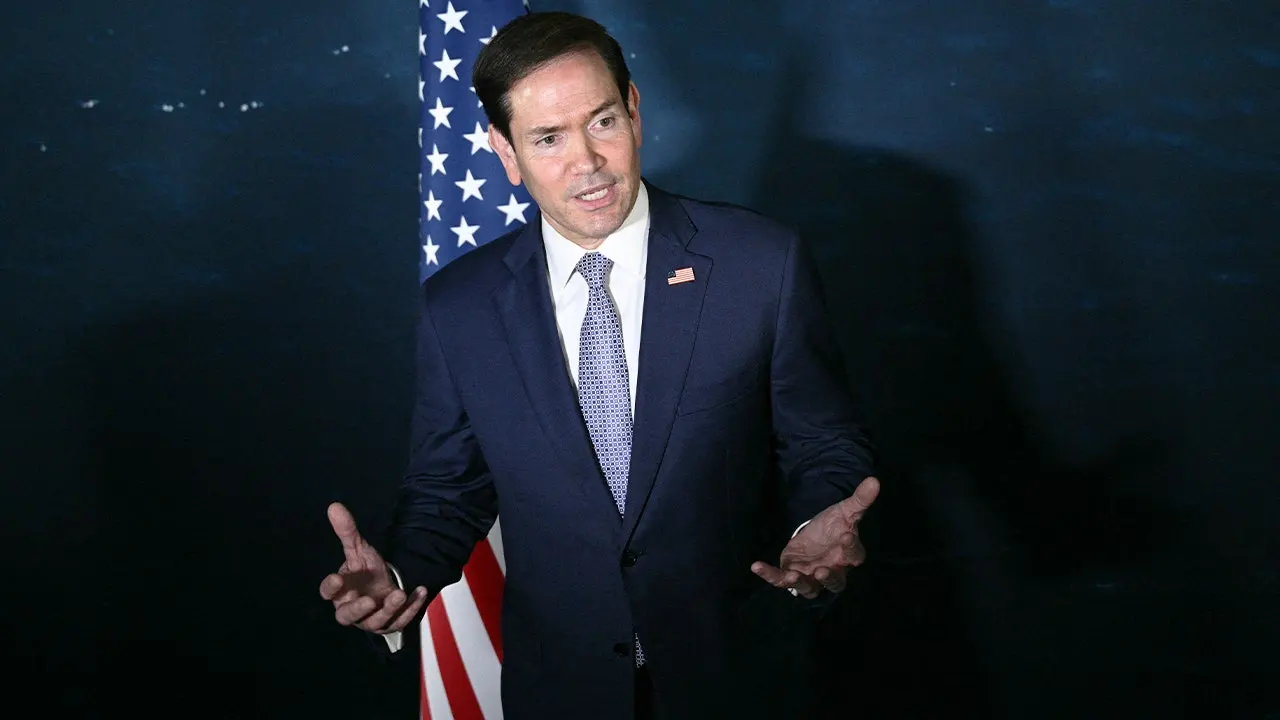
During a press conference, U.S. Secretary of State Marco Rubio accused Iran of sending personnel from its Islamic Revolutionary Guard Corps (IRGC) to Yemen. He stated that these actions have rekindled hostilities between Saudi Arabia and the Iran-supported Houthi rebels.
Rubio reported, “They opted to fly IRGC members directly from Tehran to Yemen, which drew a response from the Saudis.” However, he did not provide specifics about these flights or the number of personnel involved.
U.S. Concerns About Rising Tensions
At the ASEAN Foreign Ministers’ Meeting in Manila, the conflict involving Iran and its support for the Houthis was a key issue. The Houthis have announced a blockade against Saudi-affiliated ships in the strategic Bab el-Mandeb Strait, a crucial waterway for global trade.
In retaliation for Saudi restrictions and a recent attack on an airport in Houthi-controlled Sanaa, the Houthis are targeting vessels linked to Saudi Arabia or traveling to its Red Sea ports. This blockade could escalate the ongoing conflict and disrupt a major trade route.
Threats of Wider Conflict
The Houthis have recently launched missile and drone attacks against Saudi Arabia’s Abha International Airport, marking a serious escalation in hostilities. Rubio emphasized that the U.S. is closely monitoring the situation, as any restrictions on shipping in the Red Sea could have significant implications, similar to those witnessed in the Strait of Hormuz.
Saudi Arabia has pledged to keep the Bab el-Mandeb open and respond decisively to any threats to commercial shipping in the area. The strait plays a vital role in connecting the Red Sea to the Gulf of Aden, with approximately 12% of global trade and a quarter of container traffic passing through it.
Broader Implications for International Waters
Rubio warned that allowing Iran to exert control over key shipping routes could set a dangerous precedent not only in the Middle East but also globally. He stated, “If a nation can control an international waterway, charge tolls, and threaten ships that do not comply, this could lead to similar actions worldwide.”
As the situation escalates, authorities remain vigilant about the implications for free navigation and global trade. Iran’s backing of militant groups like the Houthis reflects a broader strategy of supporting destabilizing forces in the region, according to Rubio. He remarked, “Iran is investing in armed groups instead of its own people.”
As these developments unfold, the international community watches closely, hoping for a resolution to the increasing tensions that threaten global stability.
