
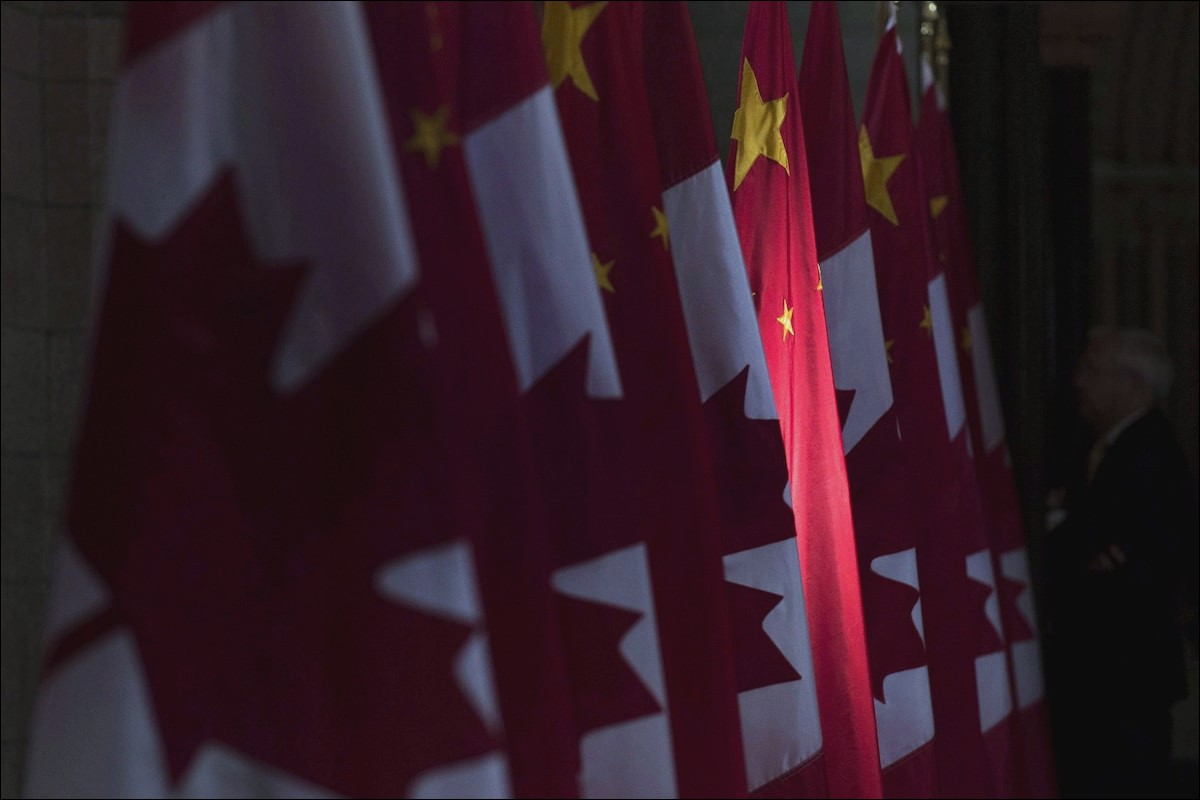
Canada and China: Navigating Trade Tensions
Trade relations between Canada and China have taken a hit recently, especially with China introducing new tariffs in response to Canada’s actions. This ongoing trade dispute is a significant challenge, not just for Canada, but for the global economy as well.
The latest news includes the troubling reports of executed Canadians in China due to drug-related offenses, which has disappointed many in Canada and strained public opinion. The Canadian government’s long-standing position is to advocate for clemency for its citizens abroad, highlighting the difference in values between the two nations. This context makes it difficult for Canada to navigate its relationship with China amid such serious issues.
However, the relationship is not entirely bleak. The tariffs, while damaging, could also pave the way for a potential solution. There’s a recognition that talking to each other is essential, even if both countries disagree on many matters, including human rights. Maintaining diplomatic channels is crucial for addressing economic concerns.
The trade tension largely stems from Canada imposing tariffs on Chinese products, such as electric vehicles, steel, and aluminum. China retaliated by taxing Canadian goods like peas, canola, and seafood. This dispute showcases a broader issue—different economic systems clashing, which is a challenge faced globally today.
Historically, world trade has relied on certain norms designed to ensure fair competition, but as economies evolve, these systems often face stress. For example, China’s rise has profoundly impacted global trade dynamics, benefiting from the very rules set to regulate free and fair trading, while also leading to job losses and economic shifts in other countries.
This trade war emphasizes the urgent need for Canada and China to find better ways to address their differences. The current approach, marked by tariff battles, risks leading to more severe consequences in the future. Instead of a cycle of retaliation, stakeholders should consider collaborative solutions.
Interestingly, China’s recent statement about ending its retaliatory tariffs if a consensus is reached with Canada opens a door for dialogue. Canada should seize this opportunity for negotiation, recognizing that, although economic goals may align, the methods to achieve them can differ significantly.
Moving forward, it will be essential to identify specific areas within trade: sectors of high security where trade might be limited, sectors critical for economic growth that may have zero-sum implications, and non-sensitive areas where both nations can mutually benefit. Clear agreements on these categories can help prevent future escalations and tensions.
The upcoming Canadian federal election presents a chance for leaders to reinforce the country’s commitment to constructive engagement with China. Emphasizing cooperation and shared goals over confrontation could be key to fostering a more robust and peaceful economic relationship, setting a strong example of leadership on the world stage.
