
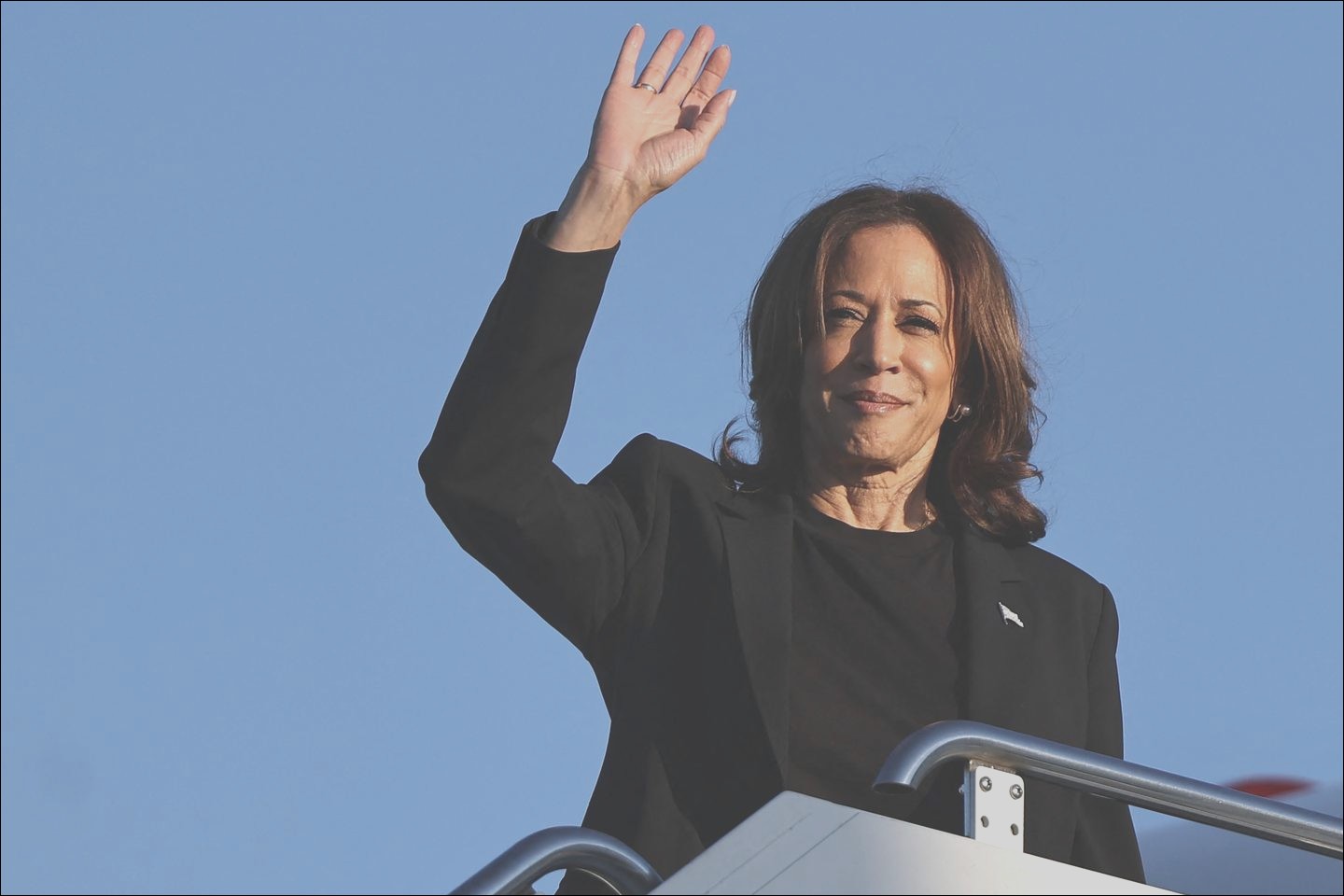
If, come November, Kamala Harris emerges victorious in the presidential race, history would mark a pivotal moment: she would stand as the first woman to inherit the keys to the White House, alongside being the inaugural president of Indian ancestry. Should fate turn the other way, however, Americans will still witness a first—the presence of a Second Lady with Indian roots. Usha Vance, spouse of J.D. Vance, the running mate to Donald Trump, openly embraces her Hindu faith and adheres to a vegetarian lifestyle. In a compelling editorial last July, the New York Times heralded a new era, declaring, "Indian Americans are becoming a political force." With five senators and a staggering 40 representatives embedded within federal and state legislatures, their political clout now eclipses their demographic footprint.
But let’s peel back the layers further. A 2023 census revealed that the 4.4 million-strong Indian diaspora within the U.S. has now overtaken the Chinese community in numbers. Yet their influence extends far beyond the political arena. Currently, an impressive 25 out of the 500 largest American corporations are helmed by Indian leaders, a remarkable leap from a mere 11 just a decade prior. This meteoric rise aligns with the influx of Indian engineers into Silicon Valley, particularly following the turn of the millennium. Within the American mosaic, Indians have claimed the title of the highest-paid and most educated migrant group.
What accounts for this extraordinary success story? The U.S. media often point to the Indian elite’s adeptness with the English language, familiarity with the electoral realm, and their grasp of democratic principles. Often lauded is the excellence of their higher education, particularly through the prestigious Indian Institutes of Technology, which have become the breeding ground for innovations in technology. Surprisingly, discussions around caste seldom surface in these analyses—perhaps because the upper caste members prefer to shine a light on their personal accomplishments rather than the privileges intertwined with their origins.
Yet, one cannot overlook the undeniable role caste may play in this narrative of triumph in the United States. Figures such as Kamala Harris’ mother, Shyamala Gopalan—who migrated to the U.S. in 1958—alongside business magnates like Microsoft’s Satya Nadella, Google’s Sundar Pichai, and former Pepsico head Indra Nooyi, share a common lineage: they are all Tamil Brahmins, colloquially known as "tambrams."
The Caste of Scholars and Priests
This diminutive yet influential South Indian community, merely 2 million strong in India and a scant 50,000 in the U.S., boasts an outsized presence in the American elite. Occupying the highest echelons of the Indian caste system, they are recognized as the learned and the priestly. Mathematics resonates as almost sacred among them, and the pursuit of education is held in highest esteem. A rich cultural tapestry, they revel in Carnatic music and classical dance. Historically, during the tumultuous epochs of British colonialism, they held significant positions within the civil service. However, post-independence, with the advent of quotas favoring lower castes in bureaucratic ranks, they pivoted towards the burgeoning IT sector, giving birth to global titans like Infosys and Wipro, or opting for migration to foreign shores.
You have 29.23% of this article left to read. The rest is for subscribers only.
