
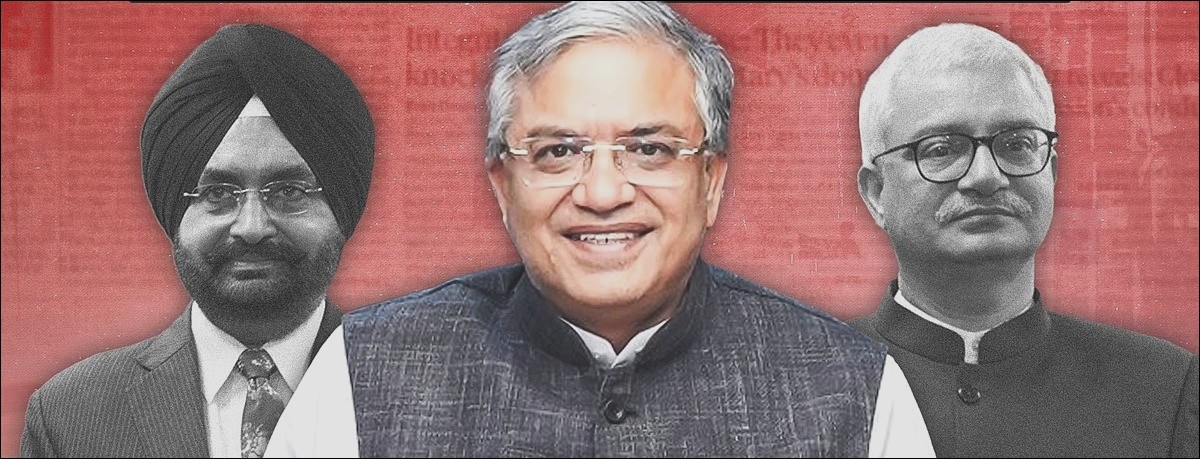
Concerns Emerge Over the Integrity of India’s Election Commission
The Election Commission of India is facing scrutiny as recent reports highlight internal disagreements within the organization. Key figures, Election Commissioners Sukhbir Singh Sandhu and Vivek Joshi, have reportedly raised objections on at least 14 occasions over ten months regarding decisions related to the electoral roll. These concerns include the processes for adding and removing voter names, managing appeals, and handling the electoral roll software.
This issue goes beyond a mere political conflict between the ruling party and the opposition. It raises a fundamental question about the credibility of the organization responsible for overseeing elections in India. Who ensures that the protectors of the electoral process are trustworthy?
The Election Commission has firmly rejected claims that internal disagreements indicate mismanagement. They emphasize that while Commissioners can have differing opinions during discussions, all decisions, including major revisions to the electoral roll, are ultimately made unanimously.
However, the situation becomes more alarming when considering that the Commission’s recent meeting was its first in four months. It prompts questions about the actions taken during that time period and whether transparency has been maintained in the decision-making process.
India’s electoral roll is crucial as it decides who can vote. An eligible voter’s name wrongly removed could silence their voice before the election even begins. This is why the process for revising the electoral roll, especially under the recently reported Special Intensive Revision (SIR), must be closely monitored. It’s been reported that over 13 crore names were removed from draft rolls in various states during this process. While some deletions may be justified due to factors like death or relocation, it is concerning that such a large number have been affected.
The Supreme Court has recognized the Election Commission’s authority in these matters, but it also underscores the necessity for transparency. It is essential to question whether the procedures for revising the electoral roll protect eligible voters or make it easier to disenfranchise them.
The situation in West Bengal exemplifies these concerns. The Election Commission reported that 27.16 lakh voters were removed during the SIR process, leading to over 22 lakh appeals for reinstatement. Such significant numbers raise alarms; no democracy should require citizens to struggle for their rightful place on the electoral rolls.
This controversy ties into how Election Commissioners are appointed. A recent Supreme Court ruling established that the selection process should involve a committee that includes the Prime Minister, the Leader of the Opposition, and the Chief Justice of India. However, a recent change allows the Prime Minister’s appointed minister to occupy one of the influential positions on this committee, which could lead to a dominance of the ruling party in election oversight. The implications of this change raise concerns about the independence of the Election Commission.
Additionally, the background of Chief Election Commissioner Gyanesh Kumar, who has held significant government positions in the past, adds another layer to the controversy. While his past roles don’t automatically imply bias, there’s a legitimate concern that previous affiliations could influence his conduct in office. Independence must be shown through actions, not just positions.
Amid these developments, there are essential questions that need answers: What specific objections have been raised? What changes, if any, were made to the decisions in question? Understanding whether these changes received proper approval is vital for public trust.
As discussions unfold, it is essential for political parties to provide solid evidence if they suspect electoral manipulation, rather than making unverified accusations. Likewise, the ruling government must respond to concerns with transparency instead of dismissing critics as sore losers.
What India needs now is clarity. The Election Commission should disclose relevant records as permitted by law, and serious allegations should undergo independent review. Public debate is necessary to evaluate whether the current appointment process sufficiently safeguards the Commission’s independence.
Ultimately, major decisions impacting electoral rolls should be discussed openly within the Commission. Recorded debates, especially those involving dissent, should be maintained for public record. There should also be safeguards ensuring that significant deletions trigger automatic transparency measures, allowing for easy appeals.
Reconsidering how Election Commissioners are appointed is crucial. The goal must be to prevent any ruling party from appearing to choose its own referee in the electoral process.
The Election Commission holds a vital role outlined in the Constitution — to supervise, direct, and control elections. This responsibility necessitates a high level of independence and integrity.
Rather than calling for the removal of one individual, the focus should be on investigating the matters at hand, establishing accountability as necessary, and addressing any systemic issues that led to the current situation. A healthy democracy can deteriorate quietly when institutions falter in credibility. India should ensure that its electoral system remains trustworthy, allowing citizens to have faith in the democratic process. Only then can all parties and voters believe that the outcome of elections is determined solely by their votes.
