
Purataasi has arrived, bringing with it a spirit of devotion. This is the sixth month in the Tamil calendar, a time set aside to honor Lord Vishnu. During this month, many Tamil families choose to avoid eating non-vegetarian food, even those who are usually meat enthusiasts. Interestingly, some friends of mine go all out on the last day of Aavani, treating themselves to a feast of meat dishes!
However, Purataasi means more than just a month of prayers. It also represents a shift in the weather. There’s an old Tamil saying that captures this change: “Pon karaya kaayum, mann karaya peyyum,” which reflects the intense heat that can even melt gold, and the heavy rains that can wash away the earth. Perhaps opting for a lighter diet during this time can help our bodies adjust to the changing climate.
Historically, vegetarianism likely developed much later in human evolution. Our early ancestors were known for being hunters and meat-eaters. For example, in Sangam literature, the work Pathitrupathu describes a dish where red meat is cooked with pulses and served with white rice, resembling a precursor to today’s biryani.
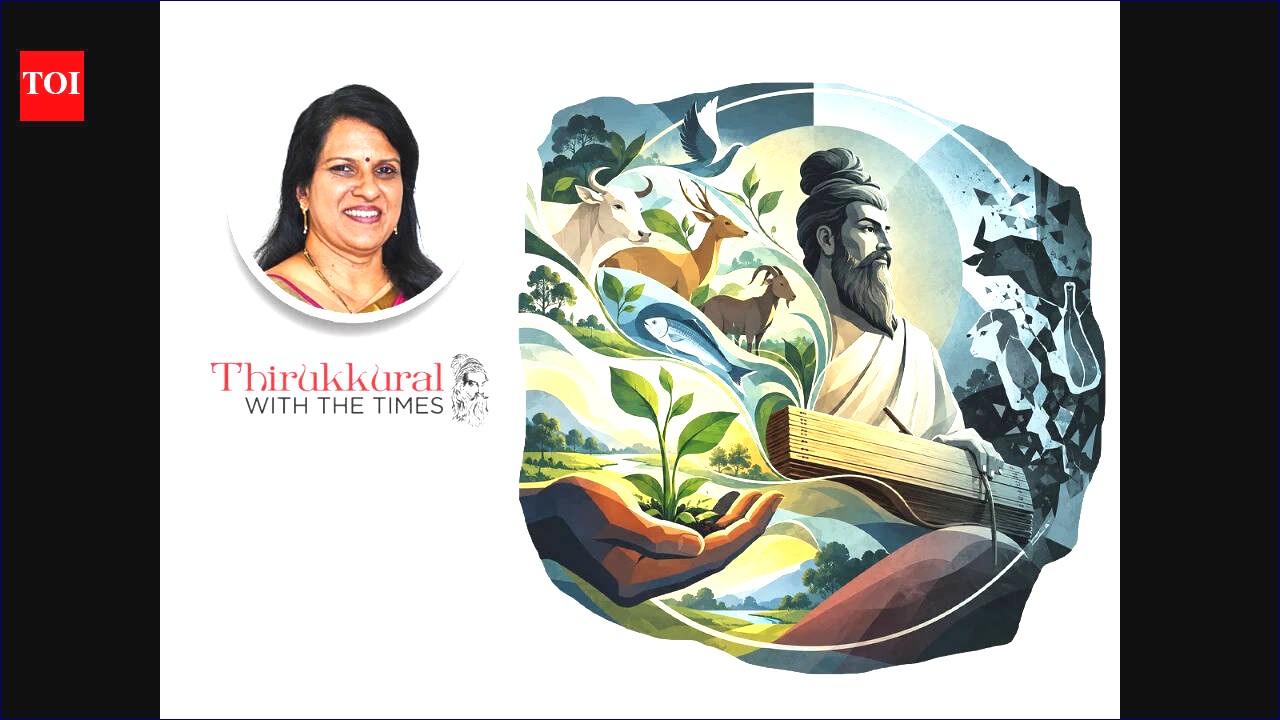
The renowned poet Thiruvalluvar gave vegetarianism a unique moral aspect. In his writings, he dedicated a whole chapter to Pulal Maruththal, meaning the refusal of meat. He famously stated: “One who does not kill and refuses to eat meat is worshipped by all living beings.” Valluvar emphasized that vegetarianism wasn’t just about dietary choices but was rooted in compassion. His message encourages us to consider the impact of our food choices on the suffering of other creatures.
Some scholars even suggest a possible influence from Jain philosophy on Valluvar’s thoughts. Jainism emphasizes ahimsa, or non-violence, as a core principle, making vegetarianism a key expression of this belief. The story of Prince Neminatha, who renounced his royal life upon hearing the cries of animals meant for sacrifice, puts forth a powerful question: How much should another life be sacrificed for our needs?
Interestingly, the Chandogya Upanishad also mentions a teacher who guided Krishna in principles of asceticism and non-violence. Some historians speculate that this teacher could have been Neminatha himself, but this remains conjecture.
Today, vegetarianism finds a new dimension as veganism gains traction in the West, largely driven by concerns for animal welfare and the environmental impact of meat production. Ironically, while India is home to one of the largest vegetarian populations in the world, dietary habits there seem to be increasingly moving in the opposite direction.
Ultimately, the enduring wisdom of Valluvar may lie not just in what we choose to eat, but in what we hold in our hearts. For him, not consuming meat was more than a dietary preference; it was a reflection of our empathy towards other living beings. Sometimes, the choices we make about what to leave off our plates speak volumes about who we are.
