
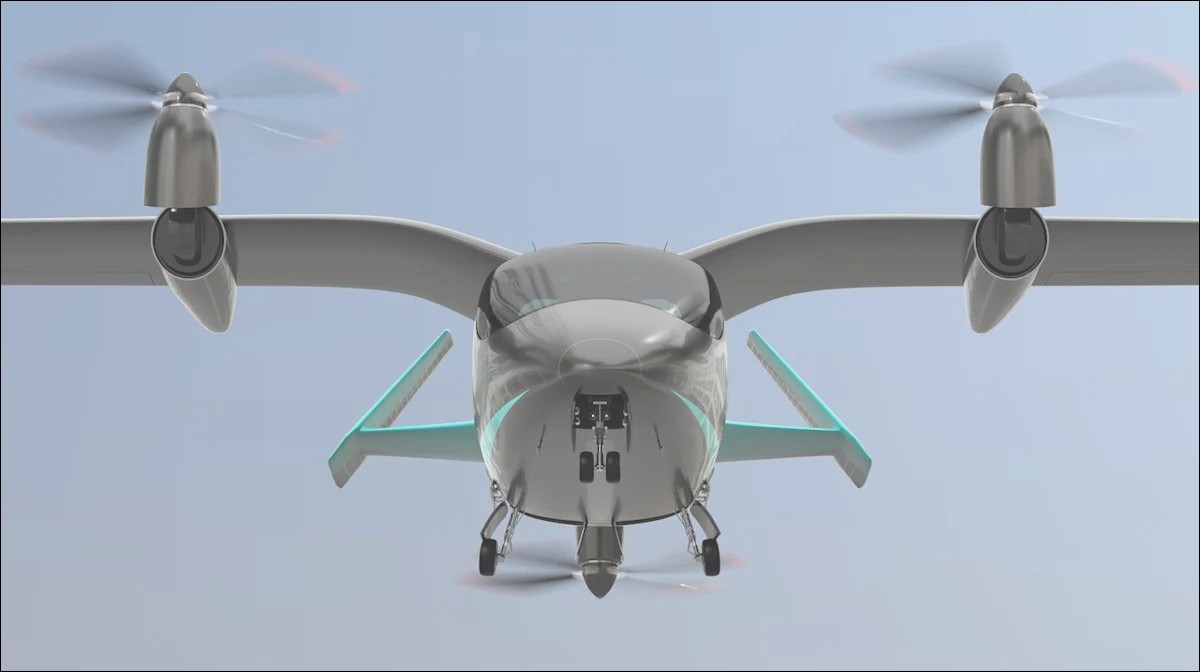
The Pentagon has been testing electric vertical takeoff and landing (eVTOL) aircraft for several years, and two key players in this field are Archer Aviation and Joby Aviation. If we look at which of these companies has a better chance to benefit from defense contracts today, Archer seems to be in the lead.
Archer has secured a contract worth up to $142 million with the U.S. Air Force under the Agility Prime program. In 2024, they delivered their first Midnight aircraft to the Air Force, after passing a military airworthiness assessment from the Department of Defense. The Air Force is exploring using the Midnight for various tasks such as transporting personnel, logistics, medical evacuation, and intelligence gathering.
Joby Aviation has also made strides in the defense sector, with a potential contract valued at $131 million, which could involve providing up to nine aircraft. Joby’s aircraft have operated at Edwards Air Force Base, and the company is continuing to collaborate with the Air Force on autonomous flight technologies. However, there are factors that give Archer an edge.
Recently, the Department of Defense has shifted the focus of the Agility Prime program toward hybrid aircraft and autonomous technologies, which has led to a reduction in the scope of Joby’s current contract. In response, Joby is working on developing new autonomous capabilities and is pursuing more government contracts, including a recent deal with L3Harris. Joby is also set to acquire the defense contractor Resonant Sciences for about $500 million. This acquisition is expected to enhance Joby’s operations, as Resonant already has a role in national security projects and has expertise in multiple defense technology areas.
On the other hand, Archer has already aligned its strategy with the Pentagon’s changing priorities. It has partnered with Anduril, a defense technology company, to create a new autonomous hybrid-electric VTOL platform. In July, they launched Thunder, a Group 5 autonomous aircraft designed for military applications. Unlike Archer’s Midnight, which is all-electric, Thunder uses a hybrid-electric system to provide increased range and endurance.
In addition, Archer made headlines in August by announcing the acquisition of Boeing’s Insitu, Wisk Aero, and SkyGrid businesses. Insitu alone brings in over $200 million in annual revenue, which will significantly boost Archer’s capabilities in aerospace, defense, and autonomous flight.
It’s important to note that while Archer’s $142 million Air Force contract shows strong potential, it is still not guaranteed revenue, and Thunder is a new platform that must demonstrate its effectiveness. Joby has a longstanding relationship with the military and its autonomous technology could lead to further defense contracts.
At this moment, Archer appears to be better positioned to meet the Pentagon’s focus on automation, hybrid propulsion technology, and uncrewed military aircraft.
As for investing in Archer Aviation, potential investors should keep a few things in mind. The Motley Fool’s Stock Advisor team has identified what they see as the top 10 best stocks to invest in right now, and Archer Aviation is not on that list. Historical performance of the recommended stocks has shown impressive return potential.
In summary, while Archer seems to have a favorable position in the current defense landscape, it’s wise for investors to do thorough research before making any decisions.
