
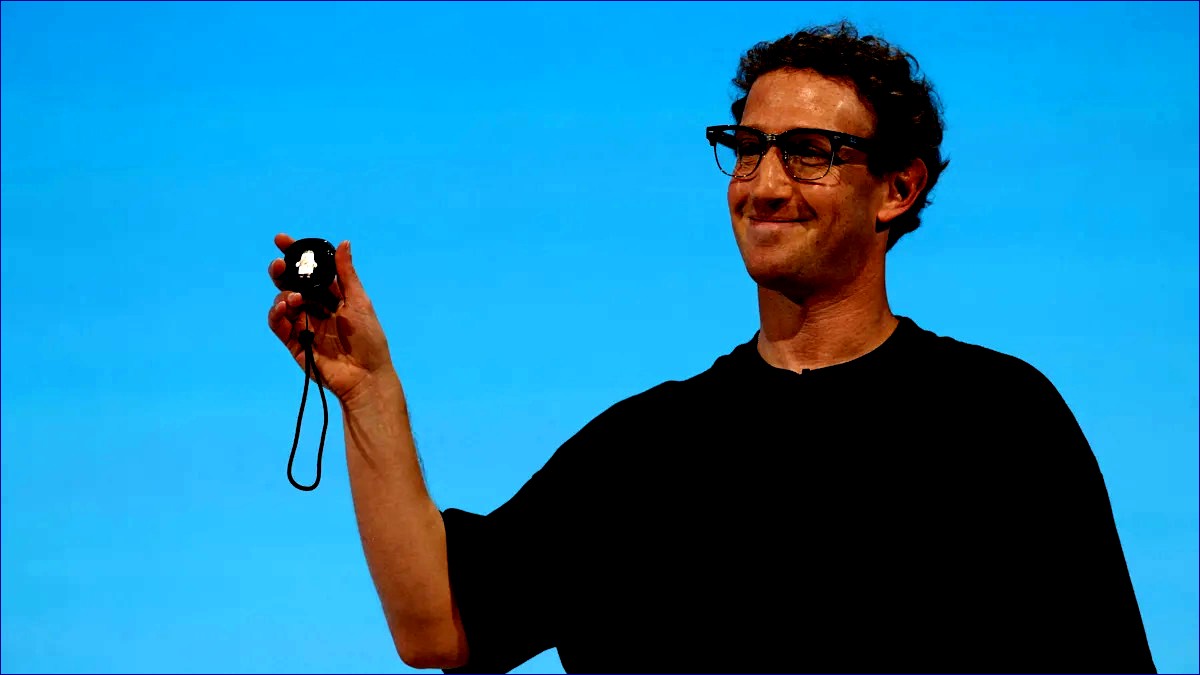
Meta’s Muse: A New AI Agent Captivates Users, But Can It Gain Trust?
Meta’s new AI agent, Muse, has made quite a splash with its recent launch. It has been praised by early users and tech analysts alike for being one of the first AI solutions aimed at everyday people. However, the bigger challenge for Meta lies in earning the trust of its users.
Mark Zuckerberg, the CEO of Meta, is no stranger to scrutiny. His ascent in the tech world has been marked by controversy, as depicted in the film “The Social Network,” which delved into themes of trust. Many casual observers are aware of his numerous testimonies before the U.S. Congress related to issues such as the Cambridge Analytica scandal, concerns regarding antitrust, Facebook’s involvement in the January 6 Capitol attack, and the ongoing discussions about child safety on the internet.
Despite these issues, there’s no denying the popularity of Zuckerberg’s suite of apps. He claims that about 43% of people around the globe use services like Facebook, Instagram, WhatsApp, and Threads. But the critical question remains: Will enough users feel comfortable enough to integrate Muse into their everyday tasks, such as managing their finances and schedules?
In discussions about technology and trust, it becomes clear that our modern world often feels like it’s under constant surveillance, whether by our own choices or those of the companies we engage with. Unlike the relationship users have with Apple, which makes the iPhone, the connection with Facebook is complicated. While many Facebook and Instagram users willingly share personal moments online, they often express skepticism toward the company that owns them.
Justin Patterson, a managing director at KeyBanc, commented after the announcement of Muse that “Meta is having its moment.” Following the launch, he adjusted his price target for Meta’s stock, noting that it could reach $900. Shares have risen nearly 13% in the past week, suggesting growing investor confidence.
The dilemma is whether users will trust Muse enough to make it their go-to AI assistant, particularly given how heavily many people rely on Meta’s platforms already. Zuckerberg has emphasized that Muse was created with strong privacy protections in mind, acknowledging that trust is crucial for adoption. In an interview, he stated, “People aren’t going to adopt it unless they trust it. We are entering a phase where trust and alignment will be vital.”
Interestingly, this landscape could mean that people might choose to wait for other competitors, like Google’s upcoming AI agent or improvements to Apple’s Siri. For now, Meta has the field largely to itself. Despite the challenges, Zuckerberg believes that the company can push through its current image issues. While Meta might not have the highest reputation at the moment, being a pioneer with a decent product could be enough for Muse to find its place.
As Meta continues to develop its technologies, the focus will remain on whether it can build the trust necessary for widespread adoption. With Muse now in the spotlight, all eyes will be on how it evolves and how users respond.
