
Proposal for an NRI Commission in Telangana: A Step Forward
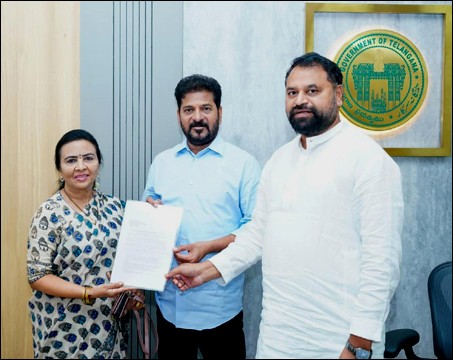
A recent call for the establishment of a dedicated NRI Commission in Telangana has been put forth by Government Whip and MLC Dr. Addanki Dayakar and TPCC Vice President Hanumandla Jhansi Reddy. This initiative deserves thoughtful consideration from Chief Minister Revanth Reddy.
The leaders highlight the crucial bond between Telangana and its diaspora. As many people from Telangana live abroad—be it in the US, Gulf countries, Canada, Europe, or Australia—they often keep close ties with their hometowns and families. However, complications can arise when issues such as property disputes, legal matters, or emergencies occur from thousands of miles away. Therefore, the creation of a functional single-window system to address such concerns is important.
Yet, simply setting up an NRI Commission isn’t enough; it must operate effectively. Looking at other states like Kerala, we see a model of success in their approach. Kerala launched the Department of Non-Resident Keralites Affairs in 1996, followed by the Non-Resident Indians’ (Keralites) Commission Act in 2015, focusing on the welfare of expatriates. Similarly, Gujarat has its own Non-Resident Gujaratis’ Foundation, aiming for engagement and support for its diaspora.
What is evident from these examples is that while the idea of an NRI commission is strong, the real challenge lies in how we implement it. The Indian government recognized the importance of its diaspora even before this, launching the Pravasi Bharatiya Divas in 2003 to connect with citizens living abroad. This effort has made strides in providing platforms for discussion and engagement between the Indian government and overseas citizens.
However, not all experiences for NRIs are positive. Many express that the vibrant discussions at gatherings do not translate into efficient support for individual issues back home. For instance, dealing with land disputes or other bureaucratic processes can sometimes be frustrating. Hence, there is a pressing need for a responsive and efficient system.
The envisioned NRI Commission in Telangana should prioritize quick and effective resolutions. Each complaint must be tracked, and cases should be assigned to individual officers. The Commission should take responsibility for working with various departments to resolve issues, rather than burdening NRIs with bureaucratic red tape.
Regular updates should be accessible, detailing complaints, resolutions, and average wait times. Handling serious matters involving property fraud should involve legal support and police cooperation. Moreover, it’s critical to ensure that the Commission functions free from political bias and corruption.
Importantly, the voices of NRIs must be heard in shaping this Commission. Regular collaboration with Telangana organizations abroad, business professionals, and community leaders will be essential. Recognizing that the challenges of a tech entrepreneur in California differ from those of a worker in the Gulf is vital for creating an effective support system.
Additionally, the Commission should not only act as a complaints department. It should tap into the vast potential of the Telangana diaspora by fostering collaborations in education, healthcare, entrepreneurship, and philanthropic projects. Engaging with the global Telugu community opens numerous opportunities for development.
In conclusion, we commend Dr. Addanki Dayakar and Hanumandla Jhansi Reddy for their initiative and encourage Chief Minister Revanth Reddy to pay serious attention to this proposal. However, we urge these leaders to focus not just on the establishment of the Commission but on its ability to deliver meaningful results. Telangana needs an effective link with its citizens around the world—one that they can trust and rely upon.
Let’s build an NRI Commission that serves the community well. This will be the true measure of its success.
