
India’s Independence Day: A Celebration of Freedom and Unity
Every year on August 15, India marks its biggest national holiday: Independence Day. This date holds special significance as it symbolizes the end of British colonial rule in 1947, following a long and challenging struggle for freedom. As the nation prepares for 2026, it will celebrate the 80th anniversary of this important day, which will include grand festivities, flag-raising ceremonies, speeches from leaders, cultural showcases, and the traditional kite-flying activities.
Independence Day, observed on August 15, is a significant national holiday in India. It’s a day when people nationwide take time off to participate in solemn ceremonies, cultural events, and activities that reflect on the historical fight for freedom. In 2026, August 15 will fall on a Saturday, officially marking the 80th celebration of independence since the first event in 1947.
For many Indians, this day serves as a powerful reminder of their nation’s journey, representing not just the joy of independence but also the sacrifices made to secure it. Various commemorative events take place, highlighting the struggles endured during the nearly two centuries of colonial rule and the remarkable sacrifices of countless freedom fighters.
The Path to Independence
Before gaining independence, much of India was under British control, with the colonial powers expanding their rule throughout the subcontinent. In the early 20th century, the movement for independence gained momentum, driven by influential leaders like Mahatma Gandhi. He championed nonviolent resistance, rallying both politicians and everyday citizens to demand self-rule and end colonial rule.
The fight for freedom came through various forms of protest, including mass campaigns and civil disobedience. Gaining strength after World War II, the movement culminated in the Indian Independence Act of 1947, which set August 15 as the date for transferring power from the British to Indian leaders.
At midnight on August 14, 1947, India entered a new era. Jawaharlal Nehru became the first Prime Minister and famously addressed the Constituent Assembly with his “Tryst with Destiny” speech, capturing the spirit of a nation awakening to its newfound freedom.
A Day of Mixed Emotions
While August 15 is a day of celebration, it is also a time to remember the complexities surrounding independence. The country was divided into India and Pakistan, leading to immense displacement and violence. This multifaceted history makes Independence Day not only a celebration of liberation but also a moment to reflect on the past and the challenges that accompanied the creation of two new nations.
Families honor those who fought for freedom and acknowledge the responsibilities that come with independence. The government calls on citizens to see freedom not just as a gift but also as a commitment to building a better future for the nation.
Celebration Highlights
The heart of India’s Independence Day celebrations takes place at the Red Fort in Delhi, where the Prime Minister leads the festivities. A ceremonial guard of honor is followed by the unfurling of the national flag, accompanied by the national anthem and a celebratory salute. The Prime Minister’s speech addresses both the progress made and the challenges ahead, inspiring unity and pride.
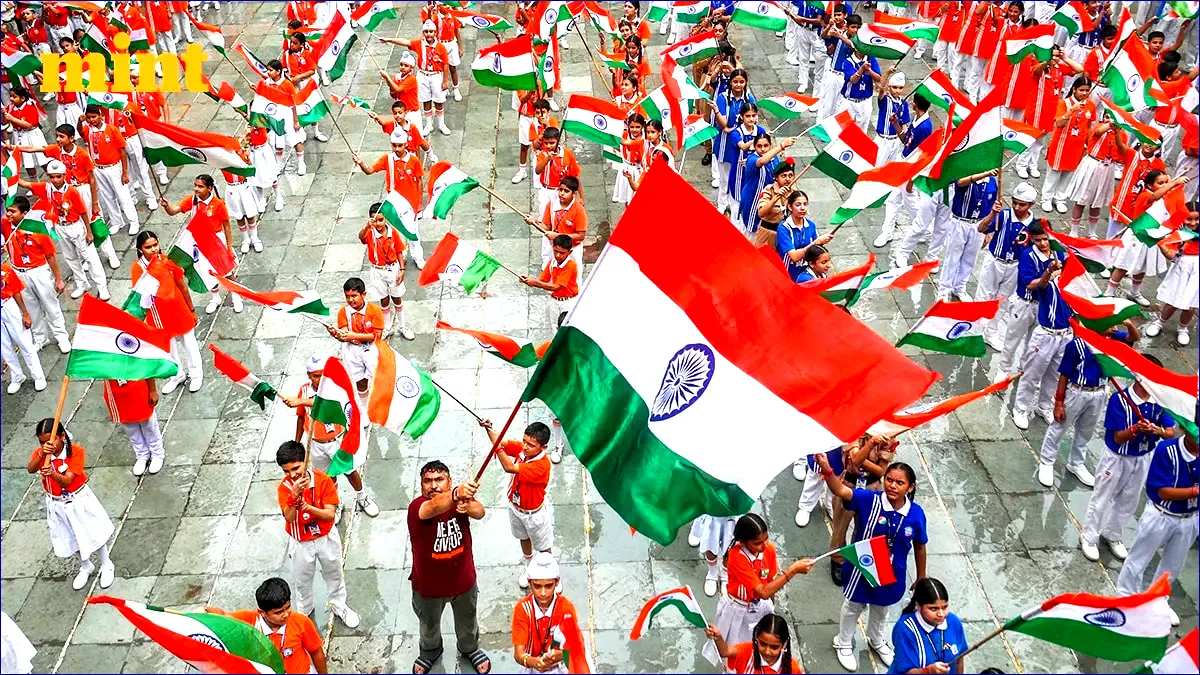
All across India, schools and institutions also take part in the festivities. The Indian tricolor, with its saffron, white, and green stripes and the Ashoka wheel, becomes a prominent symbol as flags are displayed everywhere, from homes to government buildings.
One of the cherished traditions is kite flying. On Independence Day, people flock to rooftops to compete and enjoy the blue skies painted with vibrant kites, symbolizing freedom. Cultural programs, including music and theatrical performances, as well as community gatherings, further enhance the celebratory spirit of the day.
Looking to 2026
As we look ahead to 2026, when August 15 falls on a Saturday, preparations are already underway to honor this significant milestone. Events will span communities and institutions, focusing on the legacy of the national flag and the importance of civic responsibility.
Interesting Tidbits About Independence Day
While August 15, 1947, marks the date of independence, India officially became a republic when its constitution came into effect on January 26, 1950. It’s a fascinating fact that Mahatma Gandhi, a prominent leader in the independence movement, was not present in Delhi during the first celebrations, as he was in Kolkata working to quell communal violence.
The Red Fort stands not just as a historical landmark but as a constant reminder of India’s freedom struggle, with celebrations extending beyond its borders, as Indian communities worldwide join in the honor of the day.
In a nutshell, Independence Day in India is more than just a celebration—it’s an opportunity for reflection, unity, and a vision for a brighter future.
