
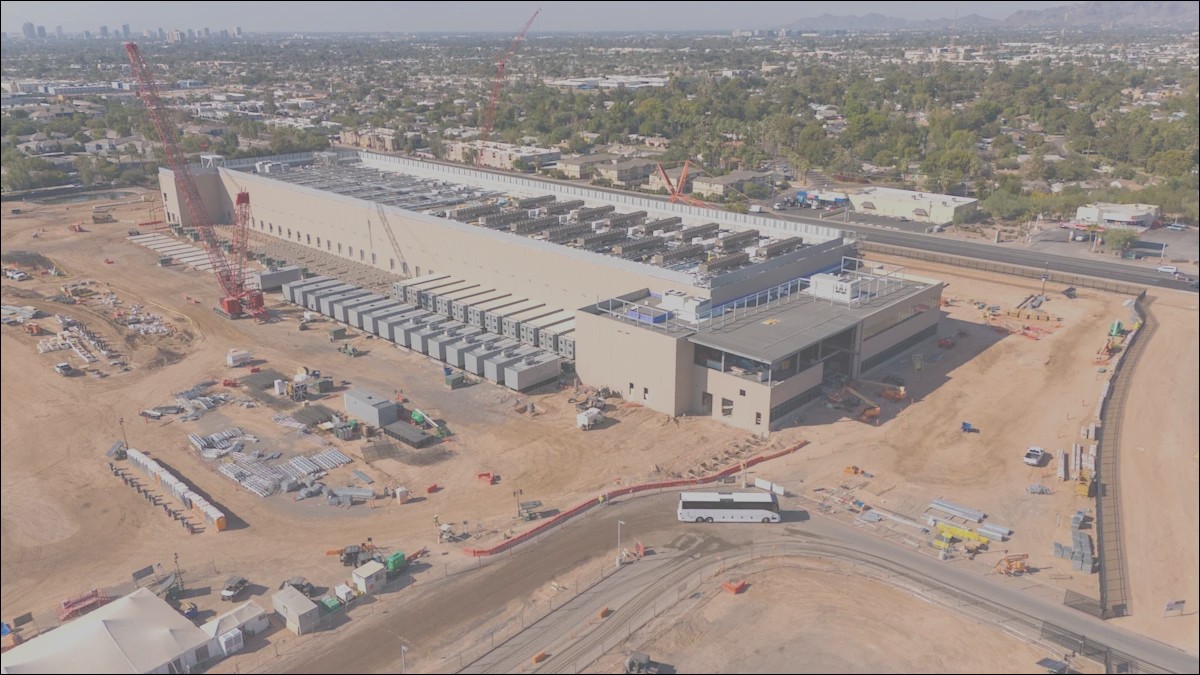
Quick Updates on Tech Investments and Energy Usage
Several major tech companies are set to invest heavily in artificial intelligence (AI) infrastructure this year, with a combined spending projected to reach around $500 billion. As these tech giants build their data centers, experts predict that these facilities could use up to 9% of all electricity consumed in the United States by the end of the decade. This puts added pressure on homeowners, as they may end up paying for the transmission costs of this growing energy demand.
In a notable shift, Alphabet has significantly increased its long-term debt to $98 billion, while its free cash flow has turned negative. Meanwhile, Meta Platforms has seen a drastic 91% drop in free cash flow, decreasing to just $784 million.
Interestingly, one of the most popular financial newsletters isn’t from a traditional bank, but rather from Doomberg. This newsletter has attracted over 383,000 readers who appreciate its in-depth analysis of energy and economic trends that are often overlooked by mainstream media.
Major Players and Their Spending
The largest cloud service providers are on track to spend nearly $500 billion this year on building AI-related infrastructure, and this amount is expected to keep increasing. Microsoft has committed approximately $115.95 billion for fiscal 2026, while Meta has narrowed its capital expenditure projections to between $130 billion and $145 billion. Alphabet reported spending $44.92 billion in just the second quarter, a remarkable 100% increase from the previous year. Amazon is also devoting a significant amount, with $54.21 billion spent in Q2 alone.
Although Wall Street is enthusiastic about these developments, households may need to scrutinize the implications more closely.
1. Rising Electricity Bills
By next decade, data centers may account for over 9% of U.S. electricity consumption, according to the Energy Information Administration. Homeowners are already feeling the impact, as electricity prices rose by 6.4% in 2024 and are expected to continue climbing through 2027. Utilities are asking regulators for new funding for transmission, which will be passed on to homeowners.
2. Water Usage Concerns
Water consumption by U.S. data centers soared to approximately 66 billion liters in 2023, tripling since 2014. A single data center in Denver reportedly uses up to 805,000 gallons daily, which is enough to supply water for around 16,100 residents. This has sparked community concerns about water usage, and even political discussions about the need for permits as this issue becomes more pressing.
3. Heavy Investments in AI
NVIDIA now boasts a market cap of $5.46 trillion, comprising 7.58% of the SPDR S&P 500 ETF. In total, the companies NVIDIA, Microsoft, Alphabet, Amazon, and Meta represent almost a quarter of the S&P 500 index. The VIX, a measure of market volatility, is at a low level, indicating that investors are optimistic about this tech investment trend.
4. Balancing Debt and Investments
Both Alphabet and Meta are grappling with increasing long-term debt and deteriorating cash flow. Alphabet’s free cash flow hit a negative $5.86 billion, and its debt rose from $46.5 billion to $98.2 billion. Meta’s free cash flow dropped drastically, and its long-term debt stands at $83.66 billion, leading both companies to rethink their financial strategies.
5. Interconnected Financial Risks
NVIDIA is a key investor in Anthropic, which in turn purchases NVIDIA chips through contracts with Amazon and Microsoft. This interconnectedness creates a cycle where financial risks are shared across companies. If one major player reduces investment, it could lead to a domino effect impacting equity marks and debt servicing.
What’s Next?
Meta has recently swapped workforce cuts for increased technology spending, laying off 8,000 workers while raising its capital expense forecast. Despite increased spending, Meta’s stock price has dropped more than 24% in the past year. Investors will be closely monitoring free cash flow in the upcoming quarters to see if it rebounds or if borrowing costs start to limit future growth.
By watching these trends, both investors and consumers can prepare for the possible changes ahead in the tech landscape and their budgets.
