
Gianni Infantino at a Crossroads: Scrutiny Grows Amid FIFA Plans
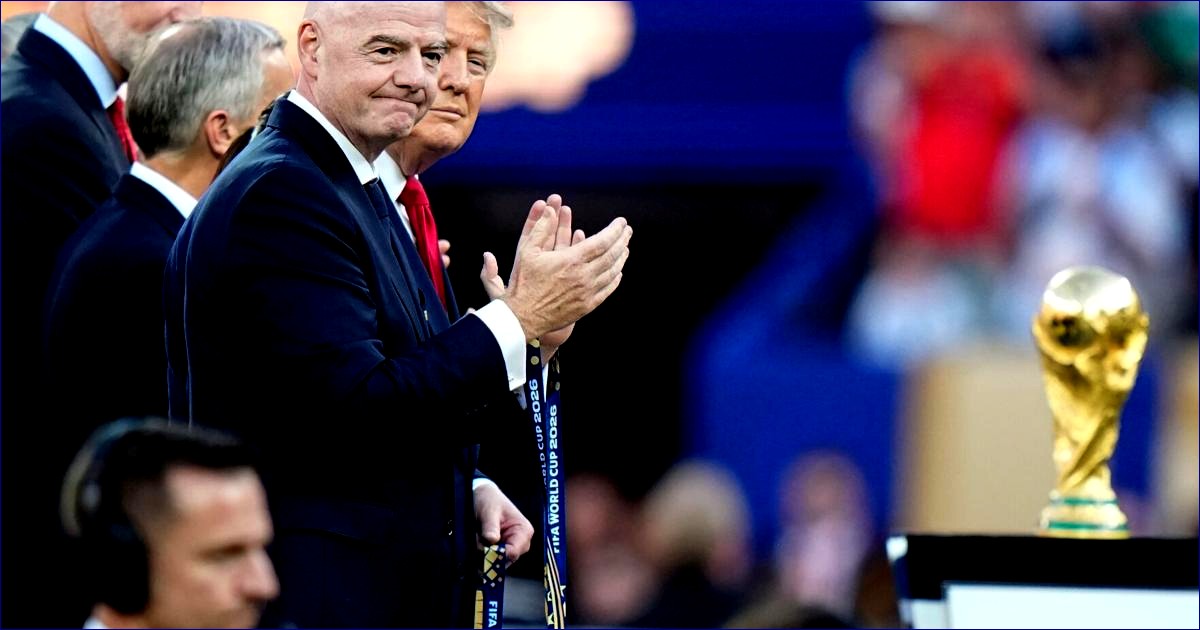
GENEVA — Recently, Gianni Infantino was in the spotlight during the World Cup final alongside former U.S. President Donald Trump. The two allies shared the stage, although their appearance was met with mixed reactions from the crowd at MetLife Stadium in New York on July 19, as they presented trophies to the teams from Spain and Argentina.
The final match, celebrated as a landmark event, seemed to boost Infantino’s standing as FIFA president, setting the stage for his expected re-election next March. However, recent controversies have cast a shadow over his leadership.
The trouble began when Infantino invited private investors to buy a share in future profits from the World Cup and other FIFA events. This move, led by investor Joshua Kushner, raised several eyebrows, especially since it could fundamentally alter the way FIFA operates. Critics are concerned that bringing in private equity could prioritize profit over the sport’s integrity, which many fans believe should belong to them.
In his recent trip to New York, Infantino reportedly garnered letters of support from approximately 200 of FIFA’s 211 member federations. However, he also launched a controversial project called FIFA Forward Enterprise (FFE) aimed at generating revenue from tournaments, broadcasts, and sponsorships.
FIFA hopes to raise about $4.2 billion from investors willing to take a 20% stake in the FFE, valuing it at $20 billion. Each member federation would be offered $20 million as part of this plan, a considerable amount for smaller nations but potentially concerning for larger footballing countries that fear their voices may be overshadowed.
In a surprising turn, Infantino’s senior adviser, Carlos Cordeiro, resigned, criticizing the deal while FIFA’s COO, Kevin Lamour, expressed his discontent as well. Meanwhile, European soccer body UEFA announced a potential boycott of FIFA competitions if Infantino continues with his proposed changes, fearing that private investors might demand more games and competitions that could disrupt the balance in soccer.
Infantino has faced backlash for not consulting key stakeholders while developing this project, which has sparked widespread disapproval among European nations. Even traditional supporters in regions like Africa have remained tentative regarding the new monetary proposals, analyzing them with caution.
As the September 19 deadline approaches for member federations to accept Infantino’s offer, the future of his presidency hangs in the balance. Should opposition efforts succeed in halting the plan, questions remain about Infantino’s ability to maintain his leadership amid growing dissent.
With vital presidential elections on the horizon in November, the atmosphere around FIFA has become increasingly tense, leaving many to wonder about Infantino’s next steps and the future landscape of international soccer.
