
Lviv: Ukraine’s Resilient City Amid War
Lviv, Ukraine — As the conflict with Russia continues, the western city of Lviv finds ways to maintain a semblance of normality. Even after years of turmoil, life in Lviv contrasts military funerals and training with vibrant community events.
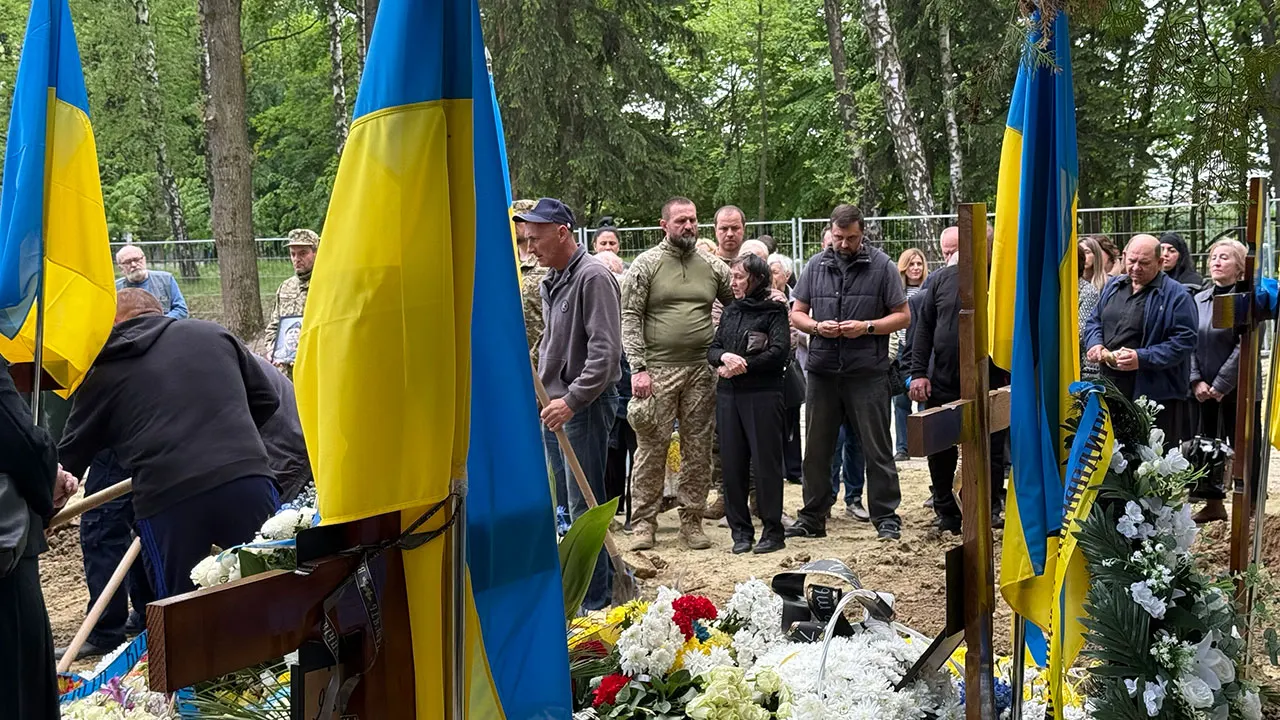
At 11:30 a.m. daily, the city halts. Cars stop on the streets, pedestrians pause, and many bow their heads to honor the fallen as military funeral processions pass through the city center. “It happens several times a day,” notes a local resident, revealing the heavy toll the conflict has taken.
Despite being located near the Polish border and away from the harshest fighting, Lviv still faces threats from drone and missile strikes. Air raid alarms repeatedly disrupt daily activities, while funerals cut into wedding celebrations. The community weaves between moments of beauty and sorrow.
“We lost around 2,000 residents,” said the city’s mayor, Andriy Sadovyi, emphasizing the impact of the conflict on families. Sadovyi, who has led Lviv for nearly 20 years, acknowledges the special responsibility his city holds—staying functional while remaining aware of the war’s consequences.
To address these challenges, Sadovyi launched the “Unbroken” project. This initiative focuses on rehabilitation and support for both civilians and military personnel. The city has established centers to care for injured soldiers and civilians, allocating 20% of its budget to bolster defense technology companies that contribute to the war effort.
“Every family has been affected by war,” Sadovyi states. “We need to stay strong and survive.”
Yet, survival in Lviv extends beyond military readiness. It involves encouraging residents to keep living, even in difficult circumstances. “People are scared to come here, but we need them to come,” Sadovyi explains as he showcases a new facility combining education and training for civilians.
Inside, young girls learn emergency skills, while instructors guide them on handling firearms. Outside, veterans practice shooting, finding solace and motivation through sports.
The city continues its somber routine as vestiges of war appear. Funerals for fallen soldiers often take place, accompanied by newly opened sections in the cemetery due to the rising number of graves. Each grave is marked by blue-and-yellow flags honoring lives lost too soon.
As families mourn, life also carries on. Children attend school, and cafés are bustling. Events such as the “Miss Lviv” beauty pageant offer a glimpse of joy amidst the struggle. Women in glamorous dresses gather under bright theater lights, celebrating a moment of joy in an otherwise tense atmosphere.
“It’s our way of resisting,” says the reigning Miss Lviv. “We need activities like this to keep our spirits high.”
Even with air raid sirens sounding in the evening, locals show resilience. Many continue their routines, undeterred by the constant threat. The future remains uncertain, but Sadovyi’s outlook stays hopeful. “Lviv will have a great future,” he asserts. He envisions a city where others come to learn how to endure and thrive amidst challenges.
His message is clear: what happened in Ukraine could happen anywhere, and it is essential to stay united and unbroken.
