
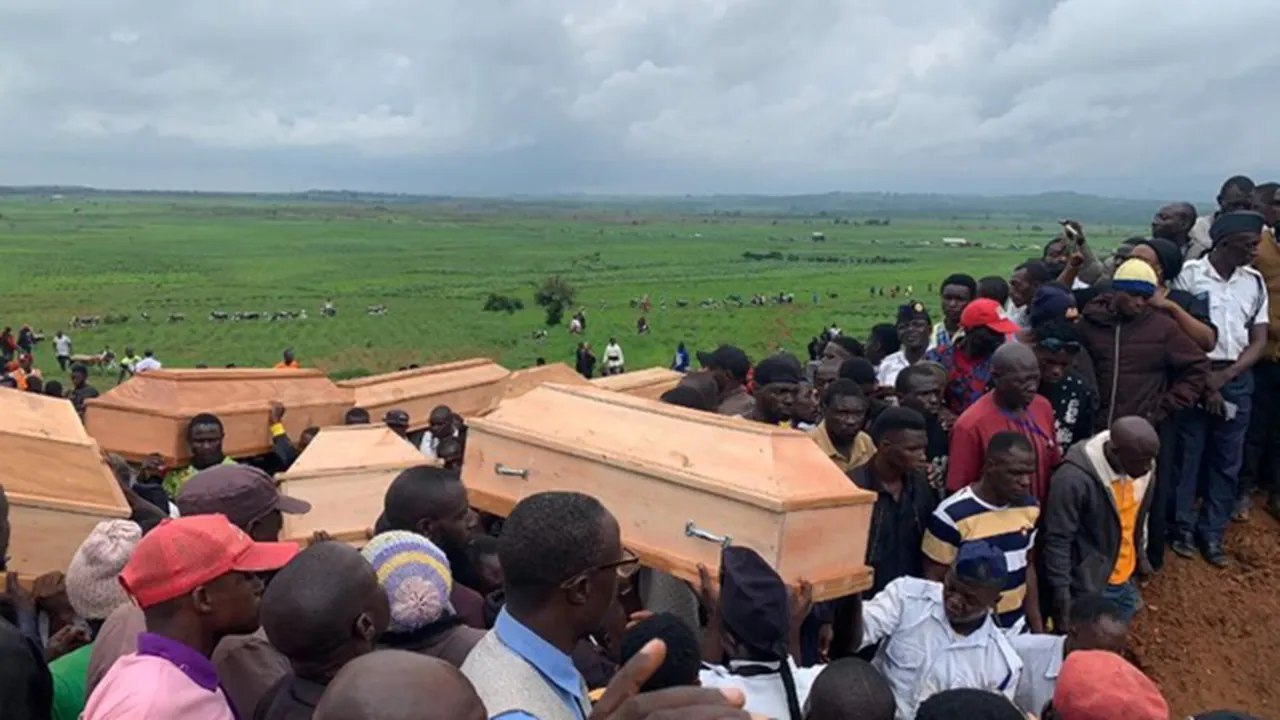
Security Woes Rise in Nigeria as Fulani Militants Target Christians
JOHANNESBURG — A recent report reveals that around 30,000 mostly Muslim Fulani militants are active in Nigeria, contributing to escalating violence and serious threats to religious freedom. The U.S. Commission on International Religious Freedom (USCIRF) highlights that attacks by these militants led to the highest number of deaths among various religious groups in Nigeria last year, surpassing those caused by organized insurgents and criminal gangs.
Known as herders, the Fulani have reportedly focused their assaults on Christian farming communities, particularly in the Middle Belt and increasingly in the Southern regions. These attacks include burning homes and churches, alongside acts of kidnapping, rape, and murder.
Systematic Targeting of Christians
Experts suggest that the current wave of violence reflects a systematic campaign against Christians. A former counterterrorism official at the U.S. State Department has warned that military responses by the U.S. and local government forces against these groups may lead to even greater instability. Sterling Tilley, who has worked extensively in Nigeria, stressed the importance of local political will in addressing this conflict to prevent further violence.
Christians Among a Troubling Toll
The report points to Christians making up about 48% of Nigeria’s population, and Fulani militias often carry out their violence during significant Christian holidays, aiming to maximize fear. Some attackers reportedly shout religious slogans, provoking communities and deterring them from celebrating or worshiping.
Importantly, the report notes that not only Christians but Muslims, too, are victims of these attacks. Fulani militants have targeted non-Fulani Muslim communities as well, showing the broader impact of the violence in the region.
Calls for Action Amidst Criticism
Henrietta Blyth, CEO of Open Doors UK, has shed light on the severity of the situation, emphasizing that violence from the Fulani far outnumbers attacks from groups like Boko Haram. She expressed her heartbreak over the stories of families torn apart by this conflict.
Blyth pointed out that the root causes of the violence are complex and not solely driven by religious motivations, but the fact remains that Christians have become highly vulnerable and often face dire consequences.
Despite the ongoing violence, criticism has been directed at Nigerian authorities for inadequate responses to the threats posed by Fulani militants. With elections approaching, there’s reluctance within the government to take decisive action as they fear losing political support from the Fulani community.
As the situation remains precarious, many are calling for the urgent need to protect vulnerable groups and allow thousands displaced by violence a chance to rebuild their lives.
