
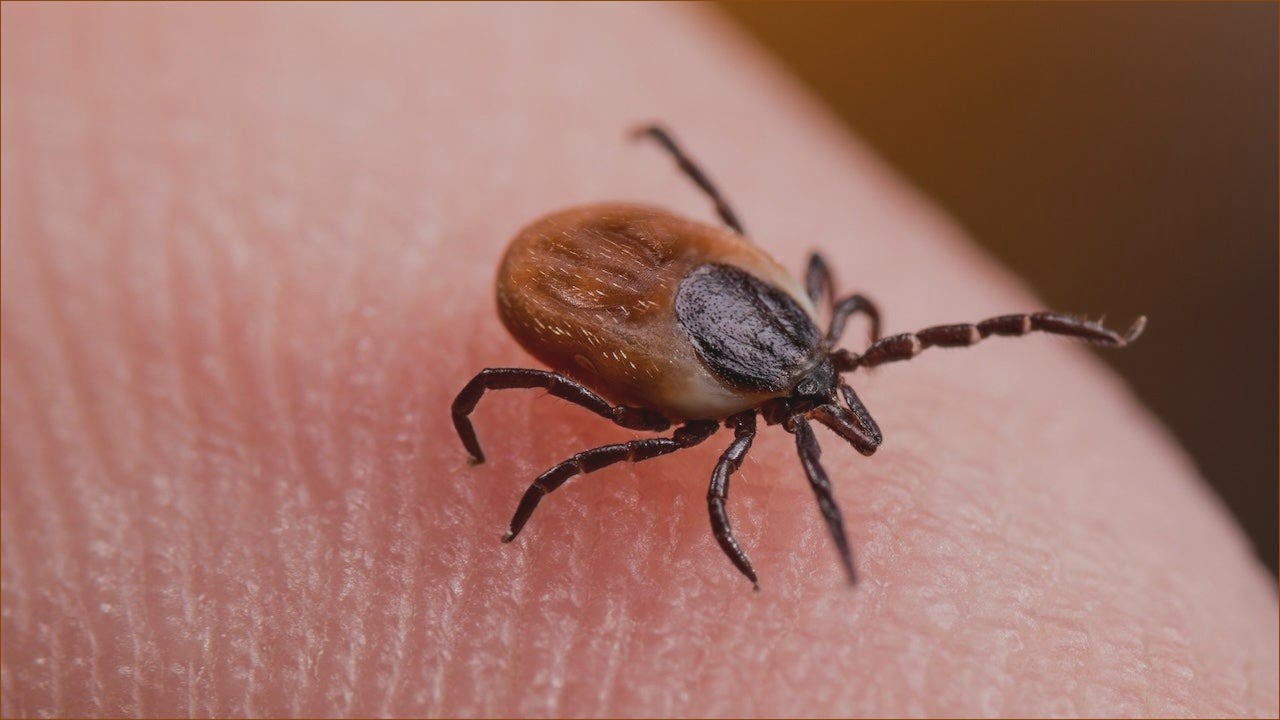
Tick Bite-Related Emergency Room Visits Reach New Highs
As the weather warms up, hospitals across the United States are seeing a surge in emergency room visits due to tick bites, marking the highest levels since 2017. This trend raises alarms about the potential rise in Lyme disease and other tick-related illnesses.
The latest data from the Centers for Disease Control and Prevention (CDC) shows that in April 2026, around 71 out of every 100,000 ER visits were linked to tick bites. This is significantly higher than the historical average of about 30 per 100,000.
Who Is Affected?
Children under 10 and adults aged 70 to 79 are most affected by tick-related visits to the ER. Experts warn that the geographical spread of the blacklegged tick, the main carrier of Lyme disease, has expanded over the past 30 years, increasing the risk of infections.
Dr. Steven Goldberg, a family medicine physician, points to the Ohio River Valley as a significant area of concern, where Lyme disease cases have surged nearly tenfold over the last decade. States such as Virginia and West Virginia are also reporting more tick encounters and resulting illnesses.
Rising Risks and Causes
The changing climate plays a major role in the tick population growth. Warmer and wetter conditions allow ticks to thrive in areas that were once too cold. Additionally, increased development into wooded and grassy areas has led to more encounters between humans and ticks.
Dr. Goldberg identifies the rising populations of white-tailed deer, which serve as hosts for ticks, as a key factor. The warmer climate has allowed the blacklegged tick’s habitat to expand significantly, potentially increasing by over 200% by the century’s end, even reaching Canada.
Tick-Borne Illnesses
Lyme disease remains the most common illness transmitted by ticks. According to the CDC, around 476,000 people are diagnosed with Lyme disease each year, a number that has doubled or tripled over the past two decades.
Other tick-borne illnesses include anaplasmosis, ehrlichiosis, and babesiosis, which can be severe. A particularly concerning condition is the alpha-gal syndrome, which causes serious allergic reactions to red meat after a tick bite.
Recognizing Symptoms
Common symptoms of tick-borne diseases include fever, chills, fatigue, headaches, and muscle aches. The characteristic “bullseye” rash is a clear sign of Lyme disease, but individuals should seek medical help if they experience symptoms after a known tick bite.
Prevention Tips
With no vaccines available for tick-borne diseases in the U.S., prevention is vital. Here are some effective strategies:
- Apply EPA-approved repellents like DEET or oil of lemon eucalyptus to exposed skin.
- Wear light-colored clothing and long sleeves, tucking pants into socks when in grassy areas.
- After being outdoors, thoroughly check your body for ticks, especially in hard-to-see areas.
- Tumble-dry clothes on high heat for at least 10 minutes to kill any ticks.
- If bitten, use tweezers to remove the tick carefully, cleaning the area afterward.
The longer a tick remains attached, the higher the chance of disease transmission. For Lyme disease, this generally takes 36 hours, while Powassan virus can transfer within minutes.
Being aware and taking preventive measures can significantly reduce the risk of tick bites and the illnesses that follow. Stay safe this season!
