
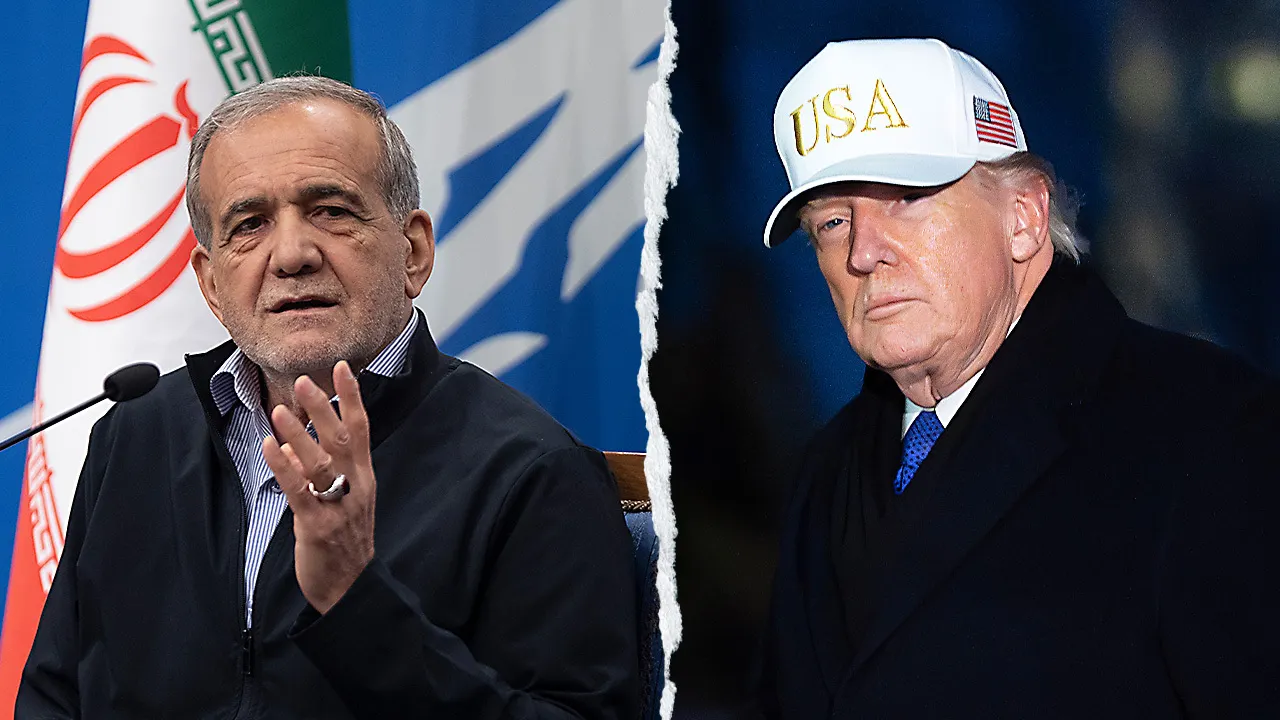
Iran’s President Emphasizes National Strength Amidst Ongoing Tensions
On May 24, President Masoud Pezeshkian of Iran invoked a significant symbol from the nation’s wartime history, reinforcing Tehran’s commitment to defend its interests against the U.S. and Israel, according to a counterterrorism specialist.
Pezeshkian’s remarks came during a crucial diplomatic moment, as President Donald Trump stated that negotiations with Iran aimed at resolving ongoing conflicts were “largely completed.” Trump highlighted that the U.S. would pursue either a “great and meaningful” agreement or opt to walk away from talks.
While Iran signaled a willingness to discuss various topics, officials indicated that a final agreement was not in sight and that discussions were still ongoing.
Iran’s Diplomat on Defiance Against Pressure: ‘No to the Great Powers’
In a post marking the anniversary of the 1982 liberation of Khorramshahr during the Iran-Iraq War, Pezeshkian declared, “Khorramshahr today is Iran, the Persian Gulf, and the Strait of Hormuz,” underlining the themes of resistance and sacrifice that are deeply embedded in Iranian culture.
Experts noted that Pezeshkian was tapping into a powerful narrative of the Islamic Republic, where historical sacrifices symbolize a national stance against aggression. “This reference connects the Iran-Iraq War to our current situation,” stated Dr. Omar Mohammed, director of the Antisemitism Research Initiative at George Washington University.
The date also marks the anniversary of the Iranian forces regaining control over Khorramshahr, a city that had been under Iraqi control at the start of the war, following intense urban conflict.
A Legacy of Resistance: From Hostage Crises to Military Confrontations
Pezeshkian’s words evoke an important aspect of Iran’s national identity, likening the past struggle against Iraqi forces to today’s challenges from other nations. “This narrative is vital to the Islamic Republic’s foundation,” remarked Mohammed, comparing it to Russia’s portrayal of the Great Patriotic War.
Through his remarks, Pezeshkian appears to frame current hostilities in a context familiar to many Iranians, encouraging a collective resistance against perceived aggressors. The choice of language also reflects a long-standing Iranian strategy to assert their position during escalating tensions.
Impending Military Exercises in Strategic Waters
In further demonstrations of strength, Iran is set to conduct live-fire drills in the critical Strait of Hormuz, intensifying the situation in a region where U.S. military presence is significant.
By invoking crucial wartime narratives, Pezeshkian not only sends a strong signal internally but also to international observers, suggesting a unified stance against what Tehran views as external threats.
This historical lens implies, “Khorramshahr signifies that we feel under attack and are unwilling to engage in negotiations,” as explained by Mohammed, highlighting the heightened stakes of the current geopolitical landscape.
