
UK Military Moves to Ensure Navigation in the Strait of Hormuz
LONDON: The United Kingdom revealed on Tuesday that it is sending military resources to enhance security in the Strait of Hormuz. This deployment is part of a broader strategy to maintain safe passage for naval operations in the region.
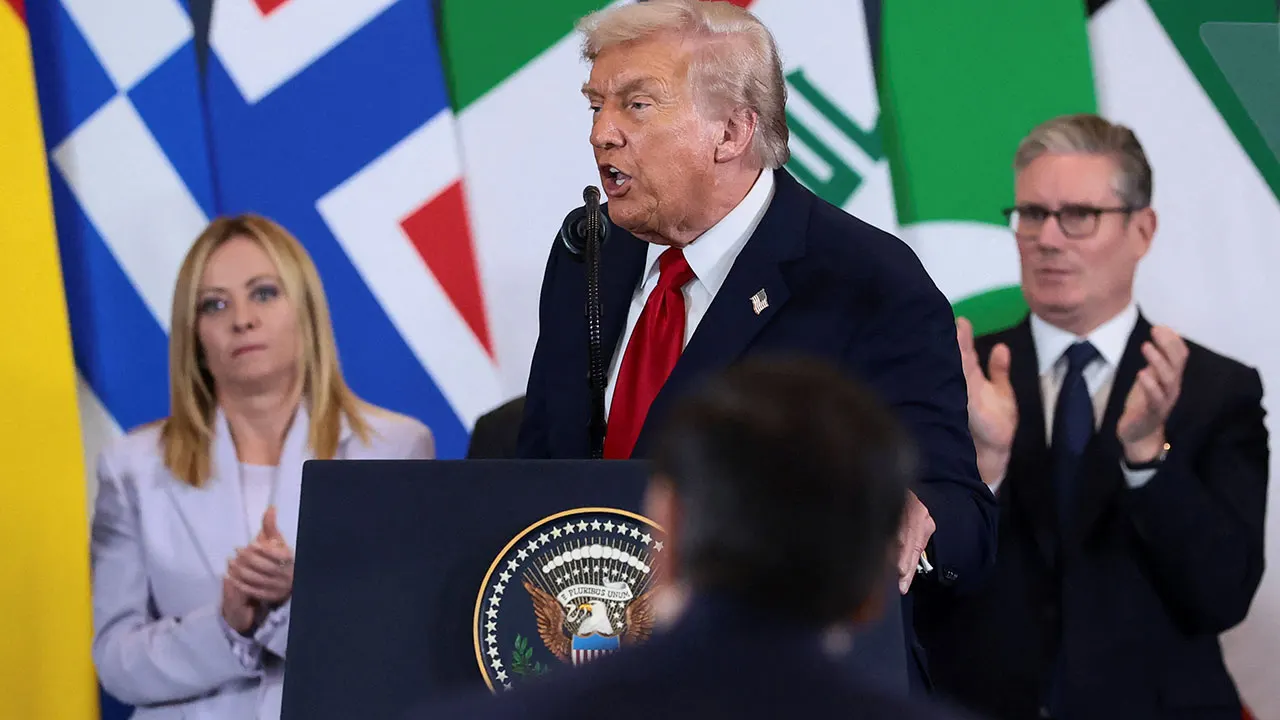
While this gesture may help improve the UK’s relationship with the United States, Prime Minister Keir Starmer’s refusal to fully support the U.S. in “Operation Epic Fury” against Iran has caused some tension, particularly with President Donald Trump. Trump has criticized Starmer, calling him “no Churchill” and expressing disappointment over Britain’s lack of support when needed.
In a recent Sky News interview, Trump voiced his frustrations, stating, “When we needed them, they were not there… And they still aren’t there.”
Trump has also taken potshots at the British Navy’s capabilities. During a White House meeting in March, he commented on Britain’s aircraft carriers, implying that they are far inferior to U.S. vessels.
To understand the UK’s cautious approach regarding military involvement, two recent reports from military experts shed light on the situation. Matthew Savill, a director at the Royal United Services Institute (RUSI), pointed out that the ongoing conflict in the Middle East has raised questions about the UK’s role on the global stage. He stated, “The UK has not been idle… but the government faces tough decisions about what it can realistically achieve.”
Savill also noted that UK forces have been actively defending against Iranian drone threats in Jordan and Iraq, despite the hesitation for direct strikes. He explained that the UK’s military presence in the region has been shrinking, largely due to funding constraints.
John Hemmings, a security expert, emphasized that the UK military has suffered from underfunding and reduced capabilities over the last decade and a half. According to him, the navy, a critical element of British power, has significantly diminished in size, making it difficult to fulfill overseas responsibilities.
Despite these challenges, the Starmer government has committed to increasing defense spending to 2.5% of GDP by 2027. However, experts warn this may not adequately restore the UK’s influence on the global stage anytime soon.
A recent report from the House of Lords highlighted concerns over the UK’s reliance on the U.S. for defense and recommended a more balanced approach to military commitments. While faced with several pressures, the UK is working to rebuild its military strength, with total armed forces numbers reportedly increasing to 182,050 personnel, including 136,960 regular troops.
The UK plans to continue boosting its defense budget to 2.6% of GDP by 2027, with substantial investments earmarked over the current parliamentary term. Analysts suggest that some within the Trump administration view the UK’s hesitancy as a betrayal, while others see it as a lesson in the limitations of a nation trying to maintain its global presence on a tighter budget.
