
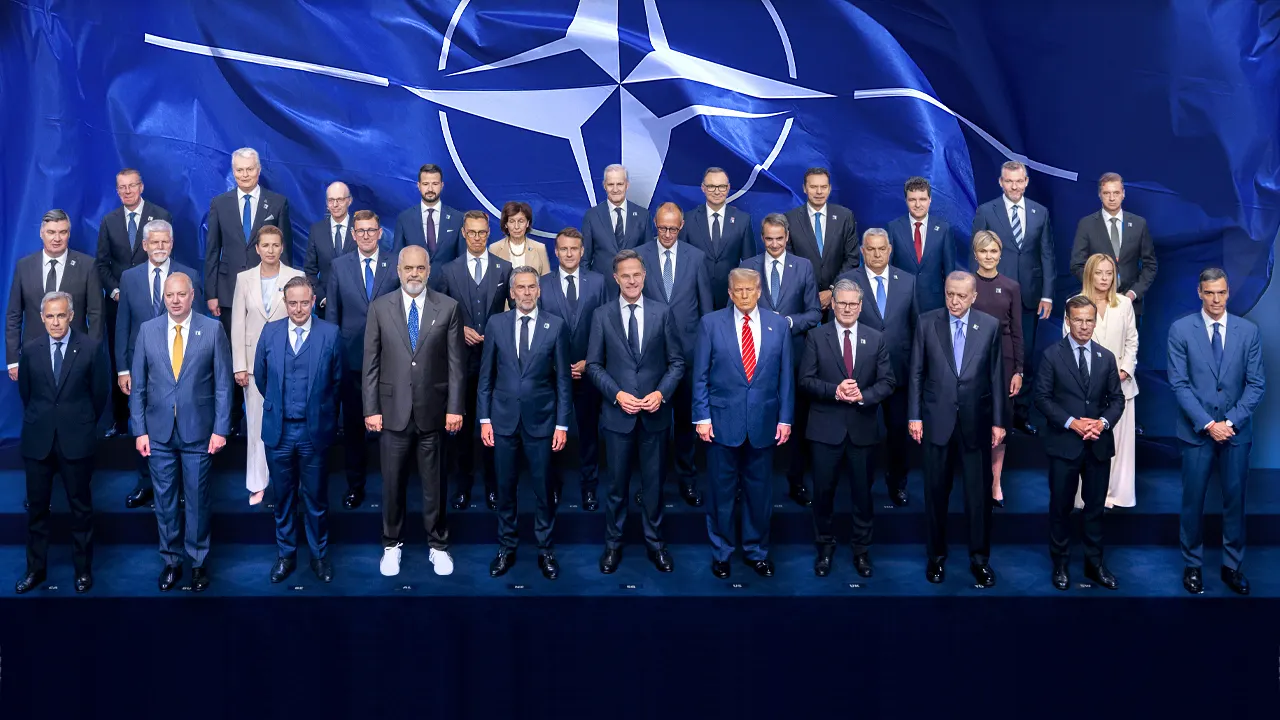
NATO Faces Challenges Amid Shifting Defense Dynamics
As tensions rise globally, NATO is under increasing scrutiny, especially concerning the involvement of the United States. With President Donald Trump urging NATO allies to boost their defense spending and announcing the withdrawal of 5,000 U.S. troops from Germany, the alliance’s reliance on American military power is coming to the forefront.
Retired Lt. Gen. Keith Kellogg expressed concerns about the future of NATO during discussions with Trump, suggesting a need for a reimagined defense structure in Europe. While NATO has expanded politically, Kellogg argues it hasn’t evolved militarily, leading to a disconnect between what members are willing to commit and their actual capabilities.
Current NATO Chief Mark Rutte emphasized that allies might need to act decisively in critical regions, warning against an “unhealthy codependence” on the U.S. This point highlights a significant concern: as European defense budgets increase, the dependency on American resources remains strong.
Kellogg points to specific weaknesses in NATO’s current setup. For instance, he noted that European armed forces lack the strength and readiness needed for effective defense. Countries like the UK face significant operational challenges due to outdated equipment. Despite an increase in defense spending over the years, Kellogg insists that many European nations still lack the necessary military capacity.
Contrarily, some analysts believe NATO’s relevance is far from diminished. John R. Deni from the U.S. Army War College argues that NATO is vital for U.S. national security, emphasizing that the alliance serves as a counterbalance to the growing influence of China and Russia. He highlighted NATO’s significance in sustaining the security of critical trade and investment relationships between North America and Europe.
In examining NATO’s dependency on U.S. support, it was revealed that the U.S. has historically accounted for 65% to 70% of NATO’s defense spending. While reliant on one another, Deni contends that alliances are designed to enhance collective security rather than to create individual weaknesses.
The potential consequences of a stretched U.S. military presence raise alarms. If forces become preoccupied with other global issues, NATO’s deterrent capabilities could wane. Delays in response times to threats could create vulnerabilities, particularly with Russia being a significant concern, according to Kellogg.
Despite differing opinions on NATO’s current state, one thing is clear: addressing the alliance’s defense challenges is essential for its future. As NATO seeks to bolster its military readiness and capabilities, the focus will remain on strengthening partnerships and ensuring that member nations can collectively respond to rising global threats.
