
Concerns Grow Over Antibacterial Products and Resistance
A recent study highlights worries about the impact of antibacterial soaps and common cleaning products on our health and the environment. These products, often found in households, may contribute to antimicrobial resistance (AMR), making it harder to treat infections.
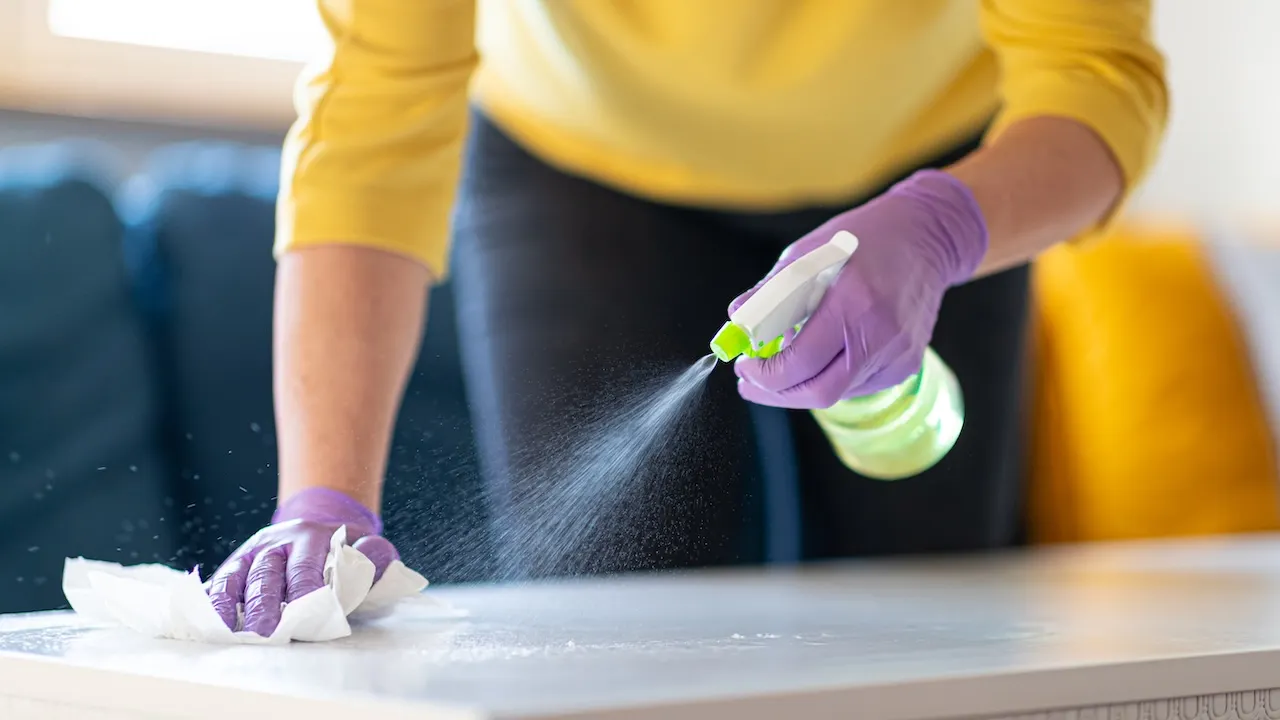
International researchers examined how biocides—chemicals used to kill harmful organisms like bacteria and viruses—could lead to increased resistance. Common household items, such as antibacterial hand soaps, cleaning wipes, and personal care products, often contain these biocides.
The research focused on two specific biocides: quaternary ammonium compounds (often called “quats”) and chloroxylenol. After reviewing multiple studies, the team found that these substances might encourage bacteria to become resistant, potentially making antibiotics less effective. Their findings were published in the journal Environmental Science & Technology.
Bacteria adapting to resist biocides can also become resistant to antibiotics like penicillin, raising the risk of serious health issues, including hospitalization or even death.
Lead author Rebecca Fuoco emphasizes that using antibacterial products doesn’t provide any additional benefit compared to regular soap and water. “We’re contributing to the antibiotic resistance crisis with products that don’t offer the protection they promise,” she cautions.
While this study raises vital points, it is primarily based on existing research and does not present new experimental data. Fuoco adds that further research is necessary to understand how these household products compare to other resistance drivers, like antibiotic overuse in hospitals and farming.
The researchers suggest that health organizations worldwide should consider limiting biocides in household products to better combat antibiotic resistance.
In light of these findings, Fuoco encourages regular handwashing with soap and water while recommending disinfectants only in cases of contagious illnesses, noting that products like bleach can be effective without contributing to resistance.
Dr. Marc Siegel, a senior medical analyst, echoes this sentiment, noting that many products contain ingredients linked to bacterial resistance. He adds that traditional soap and water should suffice for most cleaning needs.
As the World Health Organization warns that one in six bacterial infections are resistant to antibiotics, the stakes in managing antimicrobial resistance could not be higher. Over one million deaths annually are attributed to antibiotic resistance, underscoring the urgency of addressing this critical health issue.
While some organizations argue that the study oversimplifies a complex topic, the call for a balanced approach to using antibacterial products is clear. Effective hygiene practices must continue to prioritize consumer safety without compromising public health.
