
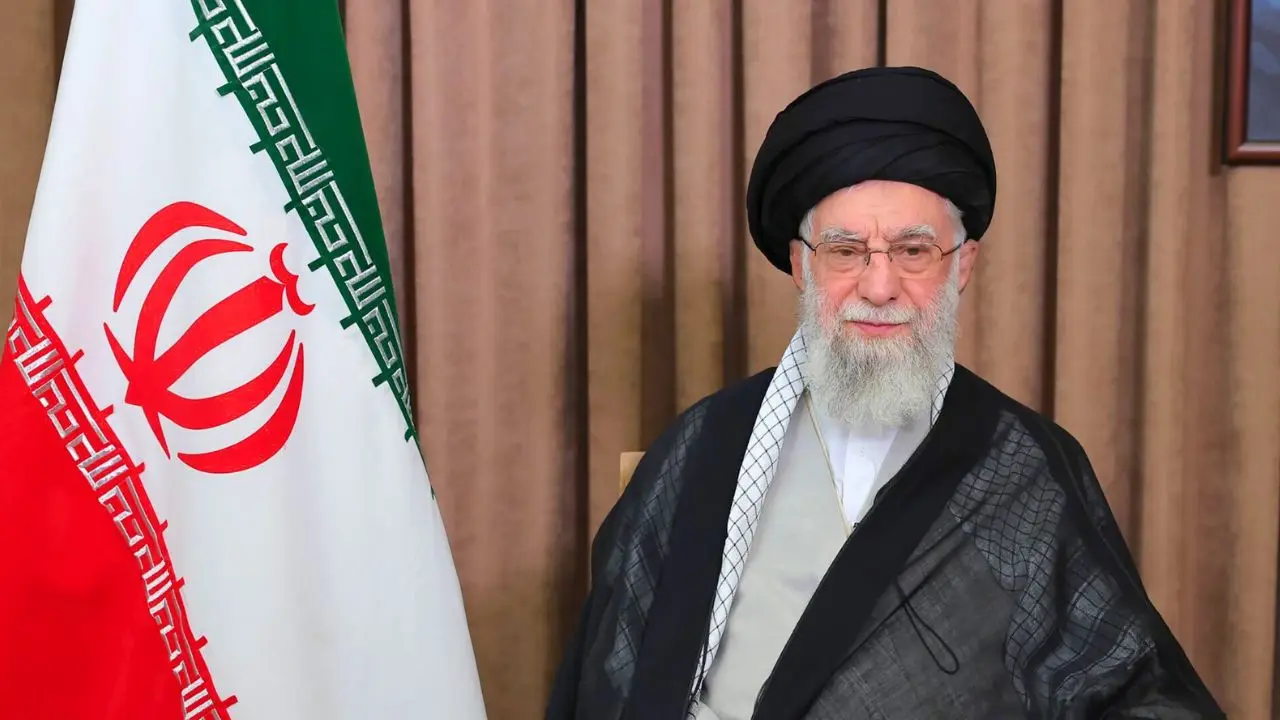
Iran Elected Vice-Chair of UN Charter Committee Amid Controversy
United Nations, New York – Iran has been chosen as the vice-chair of the United Nations Charter Committee, a decision that has sparked criticism from Israel and raised questions about how such leadership roles are assigned within the organization.
The appointment was made during the committee’s first meeting of the session, following an agreed procedure without a formal vote.
In response to questions about Iran’s alignment with the values of the U.N. Charter, Stéphane Dujarric, spokesperson for the U.N. Secretary-General, stated that elections for committee positions are determined by member states. “We expect every member state to uphold the charter and the Universal Declaration of Human Rights,” he said.
When pressed on whether the Secretary-General would condemn Iran’s election, Dujarric replied that it is not his role to question the elections of member states but that he has condemned actions that violate human rights and the U.N. Charter.
The Charter Committee, which operates under the U.N. Legal Committee, meets annually to discuss issues related to the charter and suggest improvements. However, its outcomes often rely on consensus and do not usually lead to binding resolutions.
Concerns Raised by Israel and Human Rights Advocates
Israel’s Ambassador to the U.N., Danny Danon, condemned Iran’s appointment, describing it as “a moral absurdity.” He emphasized that a country which violates fundamental U.N. principles should not hold a leadership role that focuses on strengthening them.
Anne Bayefsky, president of Human Rights Voices, also criticized the move, pointing out that Iran is known for sponsoring terrorism and repressing its own citizens. She expressed concern that Iran’s leadership role undermines the U.N.’s goals of promoting peace and human rights.
The Charter Committee has been a platform for political disputes among member states, frequently addressing issues involving Israel. Iran’s new position raises ongoing discussions about how the U.N. balances representation with the adherence to its foundational principles.
The U.N. maintains that the assignment of leadership positions is a result of member state decisions, reflecting internal diplomatic processes rather than an endorsement of any particular government’s actions.
