
New Delhi: Major Airlines Request Looser Pilot Rest Rules Amid Concerns
Four of India’s five major airlines, which together carry 95% of air travelers in the country, are urging the government to ease new pilot rest regulations that took effect on November 1 of last year. Industry insiders have indicated that these airlines find the rules challenging to maintain over time.
The new regulations relate to flight duty time limitations (FDTL), which were revised following pressure from pilots advocating for safer working hours. An official, who preferred to remain unnamed, mentioned, “Airlines have approached the ministry for relaxations in the new FDTL guidelines. Talks are ongoing,” adding that this topic was brought up in a parliamentary meeting on December 17.
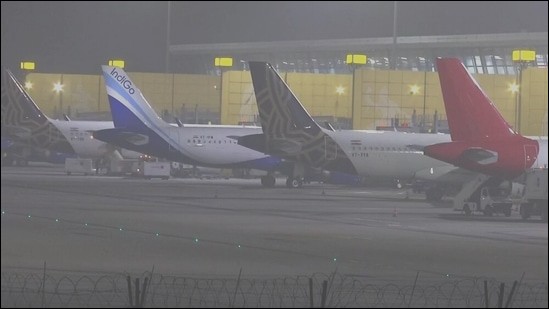
This discussion followed a significant operational crisis for IndiGo—India’s largest airline with over 63% of the market share—when its services ground to a halt from December 3 to 5. A government investigation revealed that IndiGo didn’t sufficiently address planning issues and maintained very tight recovery plans, despite having two years to prepare for the new rules.
During the crisis, IndiGo received a temporary exemption from the FDTL regulations until February 10, a decision that experts criticized as potentially compromising safety. The airline has since faced hefty fines—₹20.2 crore for its exemption and another ₹1.8 crore due to oversight that contributed to the service disruption impacting 300,000 passengers.
The updated FDTL rules entail stricter guidelines on pilot work hours and rest times. Weekly rest periods have increased from 36 to 48 hours, requiring two full nights at home base. The definition of night duty has expanded from midnight to 5 AM to midnight to 6 AM, limiting pilots to just two consecutive night shifts. Monthly flight hours have also been cut from 125 to 100 hours within a 28-day cycle.
Despite the changes, airline representatives argue that these new rules are not sustainable long-term, although the government has yet to make any adjustments. While IndiGo, Air India, and others did not respond to inquiries regarding their discussions with the government, an anonymous airline executive indicated that all airlines, except SpiceJet and Alliance Air, are engaged in talks about potential relaxations.
One airline leader shared their perspective, stating, “With fare caps and ongoing geopolitical challenges, the pressure on Indian airlines is immense. The new FDTL could require more pilots, adding costs, so relaxing these rules is essential for industry growth.”
After the IndiGo crisis, the government implemented an emergency fare cap on December 6 due to a spike in ticket prices, limiting fares on certain routes to between ₹40,000 and ₹1 lakh. The ministry noted that fare caps would be reassessed once prices stabilize.
Pilots voiced concerns that the push for relaxed regulations might jeopardize passenger safety. C.S. Randhawa, president of the Federation of Indian Pilots, emphasized, “Safety cannot be compromised. If something goes wrong, pilots will bear the blame. The importance of pilot rest must be prioritized.”
Overall, while airlines seem to be adjusting to the revised crew rest rules without major issues—except for IndiGo—IndiGo has assured regulators that it now has enough pilots to avoid future flight cancellations after the temporary exemptions lift on February 10. However, it previously made similar assurances before experiencing its major service breakdown in December.
