
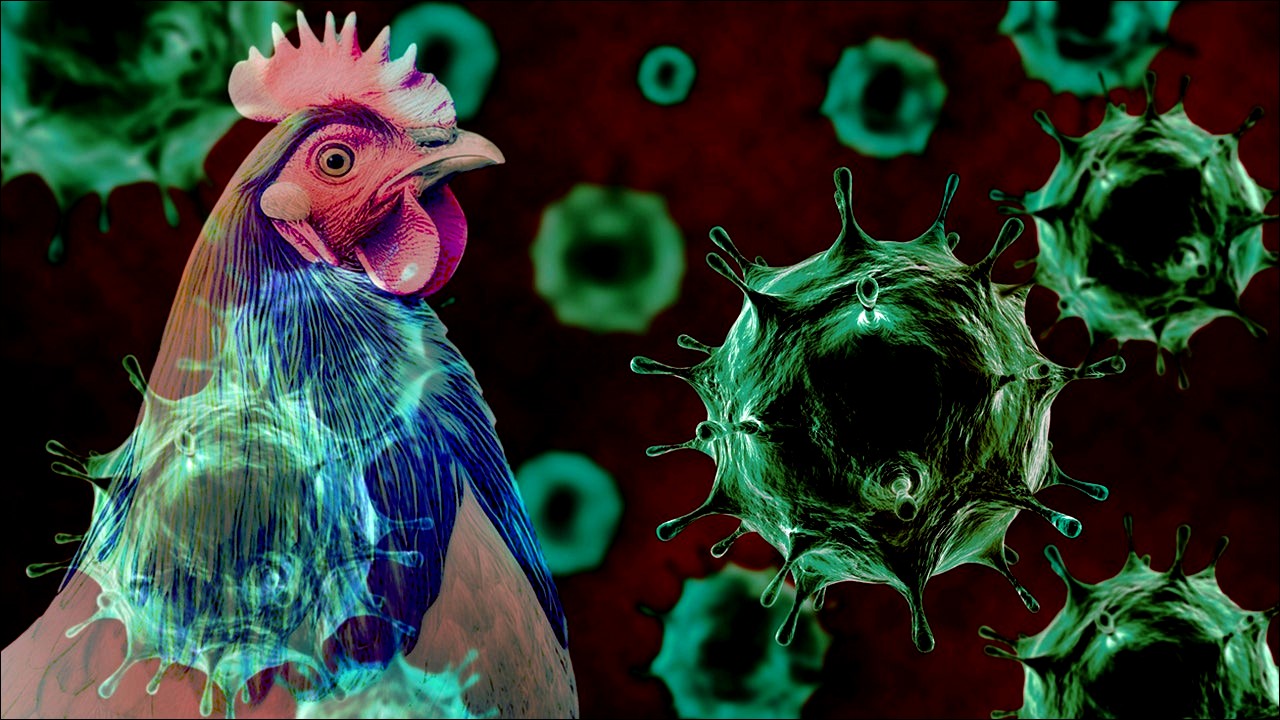
Bird Flu Confirmed in Hawaii, Prompting Health Alerts
Hawaii has reported its first case of the avian influenza A (H5N1), also known as bird flu. The state’s Department of Agriculture (HDOA) confirmed the outbreak last week in a backyard flock located in Central Oahu.
Officials disclosed that on November 12, at least ten birds, including ducks, geese, and a zebra dove, were found dead on the property. These birds were subsequently sent for testing, which confirmed the presence of the virus.
Avian influenza can lead to serious illness and a high death rate among affected birds, according to HDOA. The virus was detected through the National Wastewater Surveillance System, marking a significant development as this is the first time bird flu has been identified in Hawaii.
In response, the HDOA has put a quarantine order in place for the affected area. All birds on the property must be removed, and the site will undergo cleaning and disinfection to prevent further spread.
This strain of bird flu has also been reported to affect dairy cattle and other birds in mainland U.S. states, including California, where the Department of Public Health has recorded 27 human cases to date. California has seen outbreaks in 335 dairy farms, which have raised concerns about the spreading virus.
Sam Scarpino, an expert in public health, expressed worry over the increasing cases of H5N1 and emphasized the need for quick action to curb the virus’s spread to humans. He mentioned that the outbreaks impact a quarter of California’s farms, contributing to wider agricultural losses.
As of November 15, Arizona reported its first bird flu outbreak at a commercial poultry farm, with the illness observed a few days earlier. Thankfully, officials confirmed that no affected eggs have entered the food supply.
Experts believe the surge in bird flu cases can be linked to migratory birds traveling south along the Pacific Flyway for the winter months. State agencies have reassured the public that the risk of human infection remains low at this time. Mild cases have been reported, and officials urge people to take precautions, such as avoiding contact with sick birds and adhering to safe hygiene practices, including protecting against exposure through contaminated surfaces.
Health authorities are monitoring the situation closely and have provided protective gear to those working closely with poultry and dairy animals. As the flu season approaches, distinguishing bird flu from other forms of influenza could become more challenging.
Dr. Jacob Glanville, a biotechnology expert, stressed the importance of avoiding contact with any dead or sick birds and animals. He warned that while the current strain has caused mostly mild illnesses, there are concerns due to its potential for airborne transmission among mammals.
With the number of reported infections rising, public health officials are urging for increased testing and vaccination protocols for those in close contact with animals. The Federal government has been called to invest in efforts geared towards enhancing public health laboratory capacities to better respond to outbreaks.
As this situation develops, officials continue to advocate for vigilance to keep both people and animals safe from the spread of H5N1.
