
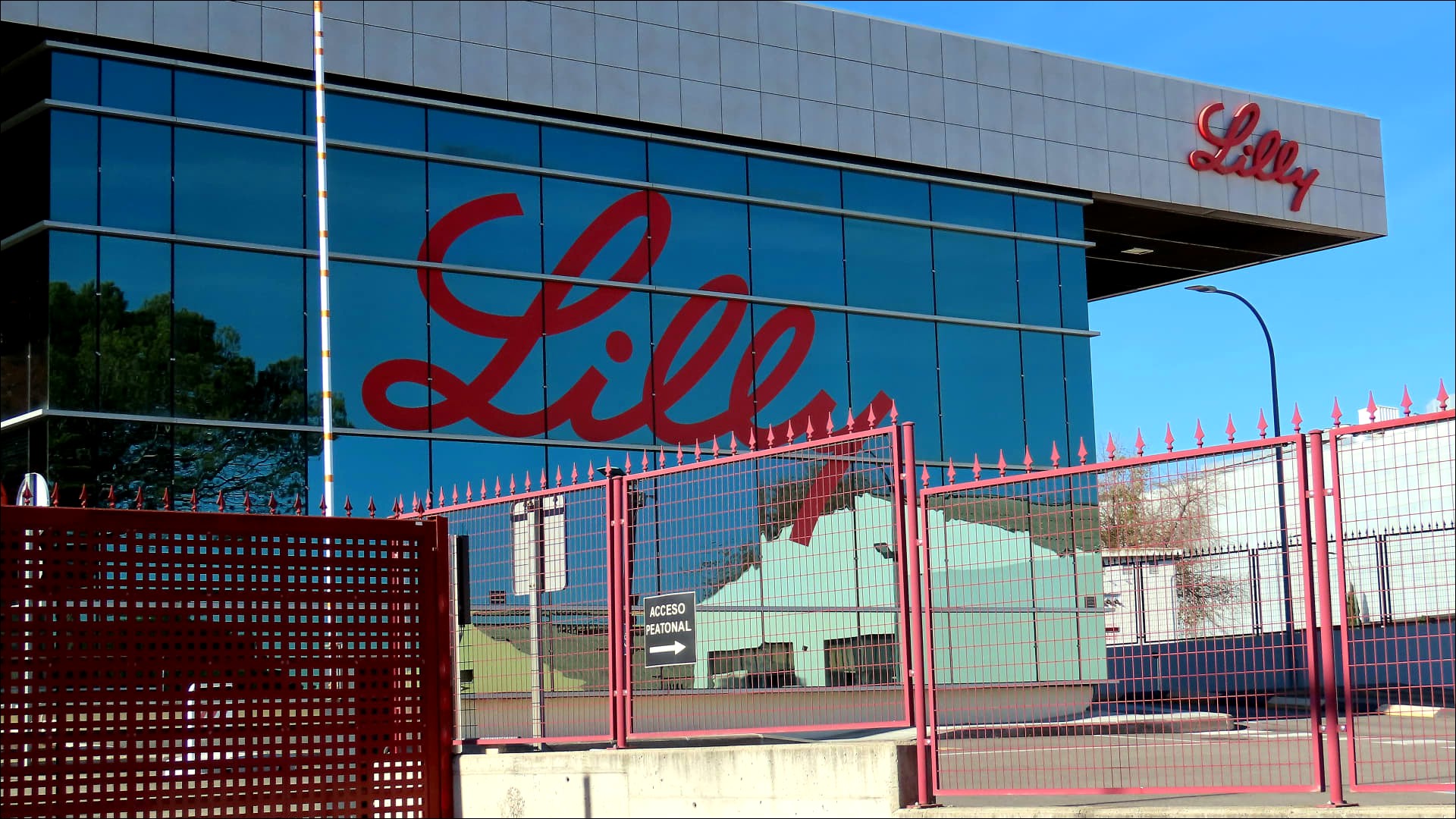
Eli Lilly and Company, a notable player in the pharmaceutical realm, headquartered in Alcobendas, Madrid, Spain, now finds itself at a crossroads involving some significant twists and turns in regulatory oversight.
On a rather noteworthy Friday, the U.S. Food and Drug Administration (FDA) decided to revisit a controversial ruling from the previous month. In an unexpected turn of events, the FDA permitted drug compounders to continue distributing their own formulations of Eli Lilly’s sought-after weight loss and diabetes medications. This latest maneuver came on the heels of a legal challenge initiated by the Outsourcing Facilities Association, a prominent group within the compounding industry.
Amidst whispers of potential shortages of crucial ingredients, the FDA acknowledged in a court filing that compounding pharmacies—and the facilities tethered to them—would be granted the leeway to supply these vital drugs while a thorough review unfolds. Indeed, the compounded renditions of the medications tend to be more economical for patients, a detail that has not gone unnoticed.
This seismic shift in FDA policy was not without consequence. Judge Mark Pittman, stationed in Fort Worth, Texas, swiftly placed the lawsuit on pause following the FDA’s announcement. The initial decision on September 30 had cast a shadow over the ability of compounders to offer alternatives to Lilly’s weight-loss drug, Zepbound, and its diabetes treatment, Mounjaro. Alarmingly, this ruling had expunged the active component, tirzepatide, from the FDA’s compilation of drugs facing shortages, potentially locking many patients out of access to more affordable compounded versions they had come to rely upon.
The implications of the FDA’s initial ruling were particularly stark, as insurers often provide coverage for tirzepatide, particularly concerning diabetes, yet many refrain from doing so for weight loss indications—creating a barrier for countless individuals seeking treatment.
Expressing relief amidst the unfolding drama, Lee Rosebush, Chairman of the Outsourcing Facilities Association, conveyed gratitude that the FDA is reconsidering its stance, a move heralded as a victory for both their members and the patients they diligently serve. Federal protocols dictate that compounded forms of an FDA-sanctioned medication can be made available to satisfy public demand—especially when standard supply channels falter. The Association’s lawsuit asserted that the FDA’s removal of tirzepatide from its shortage list contradicted ongoing supply challenges.
In a parallel narrative, Eli Lilly began dispatching cease-and-desist notices in August to telehealth providers, wellness establishments, and medical spas that were peddling compounded versions of Zepbound and Mounjaro. Furthermore, the pharmaceutical giant has embarked on legal pursuits against entities misrepresenting the availability of FDA-approved versions of their drug portfolio.
Meanwhile, Eli Lilly’s competitor, Novo Nordisk, continues to have its active ingredient, semaglutide, listed under the FDA’s shortage category, leaving the market dynamics in a state of continual flux. As the dust settles, the intersection of patient access, regulatory scrutiny, and market competition remains compellingly intricate.
