
India’s Ambitious Semiconductor Initiative: A Path to Becoming a Global Player
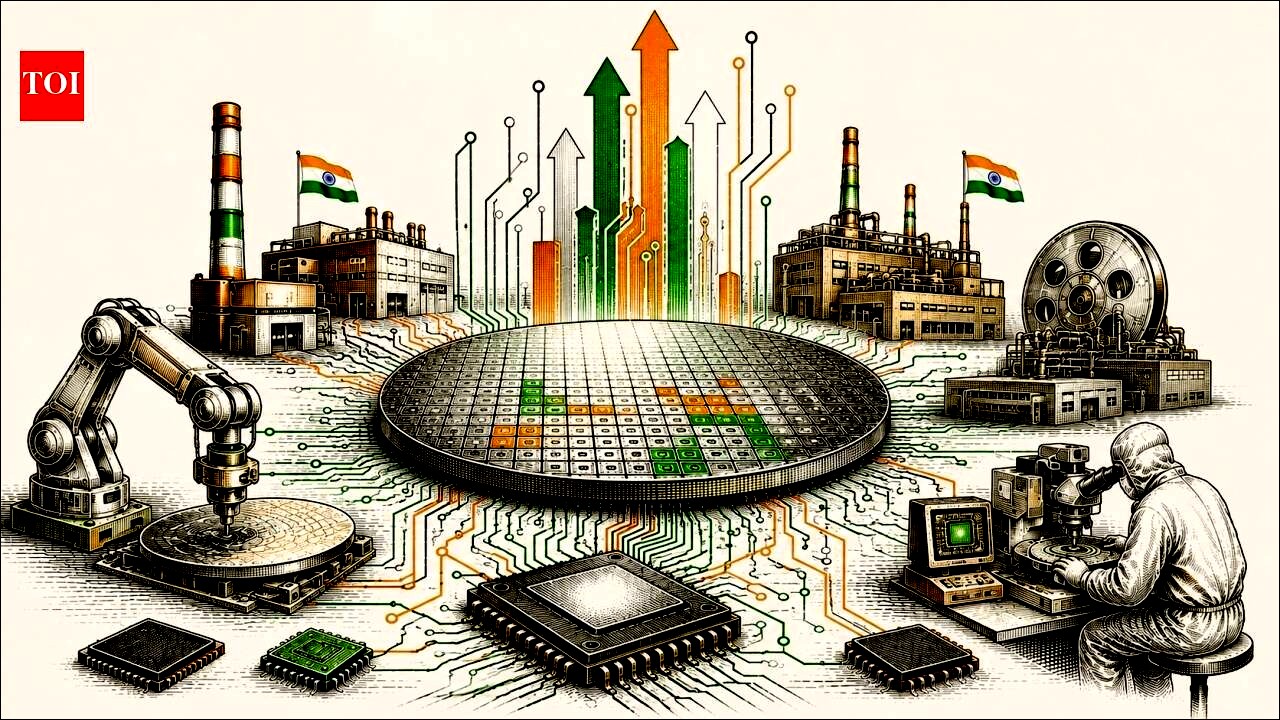
India has recently unveiled the second phase of its extensive semiconductor program, pledging over ₹1.27 lakh crore (about $15 billion). With a global semiconductor supercycle underway fueled by the rise of artificial intelligence (AI), this initiative positions India to become a significant player in the semiconductor industry, which is essential for various technologies.
According to KPMG’s 2026 Global Semiconductor Outlook report, the focus in boardrooms of semiconductor companies has shifted dramatically. Instead of wondering when the market cycle might turn, leaders are now keen to ramp up production to meet demand. McKinsey & Company predicts that the semiconductor industry might generate revenues of $1.6 trillion by 2030.
As demand for semiconductors grows, driven by sectors like electronics, electric vehicles (EVs), and AI, India recognizes the urgency of developing a self-sufficient semiconductor ecosystem. Saurabh Agarwal, a partner at EY India, warns that dependence on external supply chains for such a vital resource could pose economic and strategic risks for a country as large as India.
India’s Semiconductor Strategy
India’s semiconductor roadmap consists of two major phases. The first phase, known as Semicon 1.0, had an investment of ₹76,000 crore, while the newly approved Semicon 2.0 has received cabinet approval for ₹1,27,500 crore. So far, twelve semiconductor projects worth over ₹1.64 lakh crore have been greenlit, with three facilities already in production.
To build its semiconductor capabilities, India is enhancing skills training, fostering startup innovation, and forming global partnerships. Semicon 1.0 offered up to 50% financial support for various semiconductor-related initiatives, while Semicon 2.0 focuses on advancing domestic production of semiconductor-related equipment and building a complete intellectual property ecosystem in India.
Industry estimates indicate that the Indian semiconductor market will be around $38 billion in 2023 and may rise to $100-110 billion by 2030. The government aims for India to be able to meet about 70-75% of its domestic chip demand by 2029.
A Game-Changer for India?
Many experts believe that Semicon 2.0 could be transformative for India. Saurabh Agarwal emphasizes that while the first phase concentrated on establishing manufacturing capabilities, the second phase aims to encompass design, fabrication, packaging, and talent development—all at once.
This shift would move India from merely consuming semiconductor technology to creating it. Experts predict that semiconductors could drive India’s economic growth much like software has done over the past few decades.
However, challenges remain. Shivani Parashar notes that India must not only increase the number of projects attracting investments but also focus on how much technology and manufacturing capacity it can develop domestically.
Comparisons with Global Leaders
When asked if India could compete with semiconductor giants like China or South Korea, experts suggest India has the potential to create a unique semiconductor ecosystem. India’s strengths lie in its sizable engineering workforce, increasing demand, and government support aimed at making supply chains more diverse.
However, existing experts caution that India’s semiconductor landscape is still largely service-oriented, which poses challenges for commercializing its engineering capabilities into successful businesses.
Moving Forward
The semiconductor industry is known for demanding significant investments and extended development cycles. Experts stress the importance of a long-term strategy and adequate funding to achieve India’s semiconductor goals.
Shivani Parashar mentions that India needs a stronger venture capital framework to support startups through their lengthy development processes. She emphasizes that incentives must focus more on outcomes such as IP creation and commercialization rather than just design efforts.
Saurabh Agarwal points out that policies should aim at building a comprehensive ecosystem, supporting R&D, and fostering demand for domestically-designed products. With measurable progress already being made, experts believe that India’s semiconductor initiative is just the beginning of a long journey toward becoming a competent player in the global market.
