
JERUSALEM: Recently, the Israel Defense Forces (IDF) opened its doors to the Tzrifin Base in Central Israel, presenting a significant cache of weapons that have been confiscated from groups like Hezbollah and Hamas. This collection includes a variety of arms such as rockets, grenades, drones, sniper rifles, and automated weapons.
These weapons, which originate from several countries including Iran, Russia, and China, have been involved in attacks against Israeli civilians and military forces since Hamas launched a major assault on southern Israel on October 7, 2023. The IDF reports that Hezbollah has also employed these weapons against Lebanese civilians, illustrating the reach and impact of their operations. According to reports, these groups have been responsible for the deaths of over 300 American citizens.
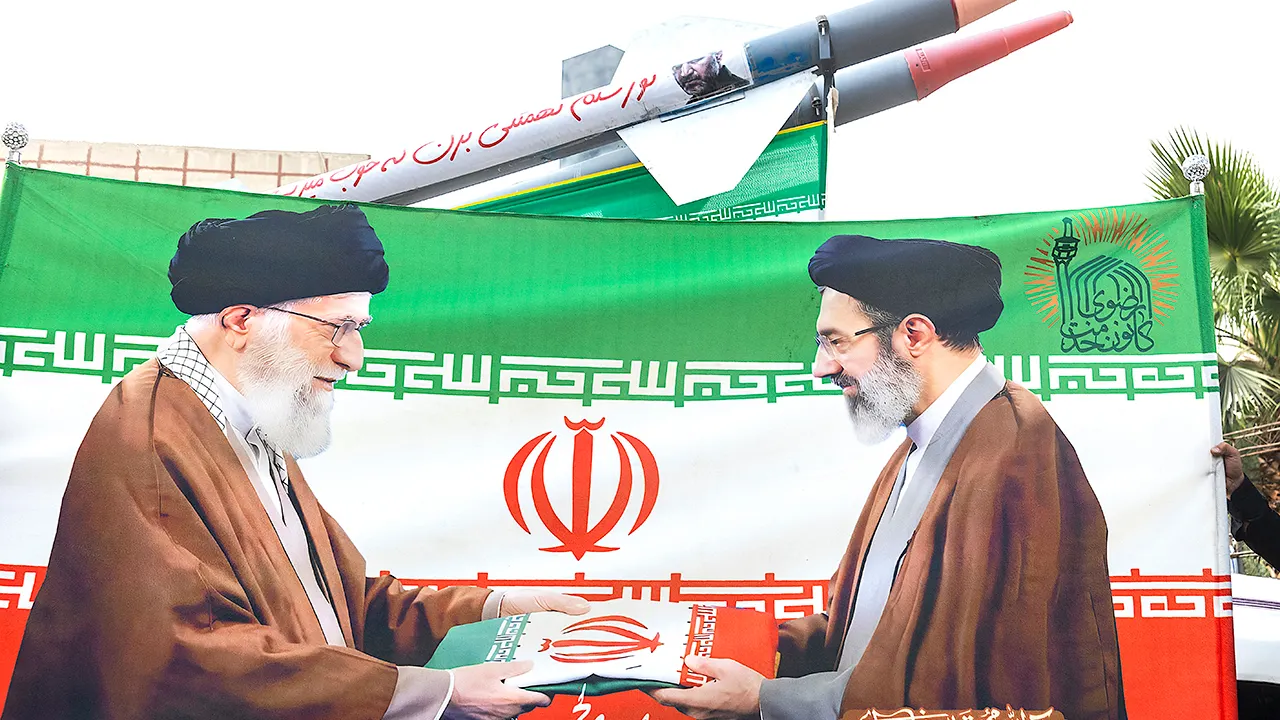
The conflict has escalated as Israel finds itself battling not just its enemies but also navigating the challenges posed by their powerful allies. Remnants of Iranian-made rockets litter the areas around the Tzrifin weapons depot, highlighting the ongoing tension in the region.
In the chaos of battle, Iranian forces have launched rockets into populated areas, including major cities like Tel Aviv. This has raised alarms as civilian lives are put at risk. For example, after a coordinated attack by Israel and the U.S. on Iran in late February, a ballistic missile struck Beersheba, injuring numerous people.
While inspecting weapons like the MG-34 machine gun— featuring a small Nazi emblem— IDF Lt. Col. Idan Sharon-Kettler described these finds as common in his line of work. He explained that such items are often used by groups like Hezbollah for propaganda purposes to boost their morale.
Sharon-Kettler noted that both Hamas and Hezbollah use advanced tactics to turn everyday vehicles into tools for warfare. He displayed a motorcycle seized during a past operation, stating that these types of motorcycles were used to take hostages, with Hamas having taken over 250 individuals on the same day it launched its attack last October. The IDF has also retrieved rockets that were used symbolically during parades in Gaza, adding another layer to the complex situation.
The IDF’s findings include not only advanced weaponry but also vehicles like all-terrain vehicles (ATVs) designed to carry rockets and other fighters. These ATVs provide strategic advantages in Lebanon’s difficult terrain, where Hezbollah operates.
As part of its efforts to combat these threats, the IDF has uncovered a variety of drones, including those used for reconnaissance and distraction. Sharon-Kettler emphasized that they have seized a significant number of mortars and drones designed to confuse IDF resources during operations.
Despite the tensions, IDF actions are grounded in the aim of neutralizing military threats that target civilians. This stance comes as peace discussions continue amid the backdrop of conflict, with a State Department official noting cooperation between Lebanon and Israel in disarming Hezbollah.
These complexities underscore the ongoing difficulties in the region, where civilians and military targets intertwine in a battle fraught with historical tensions and current conflicts. The IDF’s findings reveal much about the scale of the military buildup facing them, pointing to an urgent need for peace and stability.
