
The Moon: A New Frontier in Earth’s Rivalries
Not so long ago, the Moon was a distant dream, a place many considered beyond our reach. However, as famous novelist L.P. Hartley once said, “The past is a foreign country; they do things differently there.” Today, the Moon is no longer a distant entity; it’s becoming an extension of Earth’s political landscape. The ongoing race between the United States and China is turning our satellite into a stage for geopolitical competition.
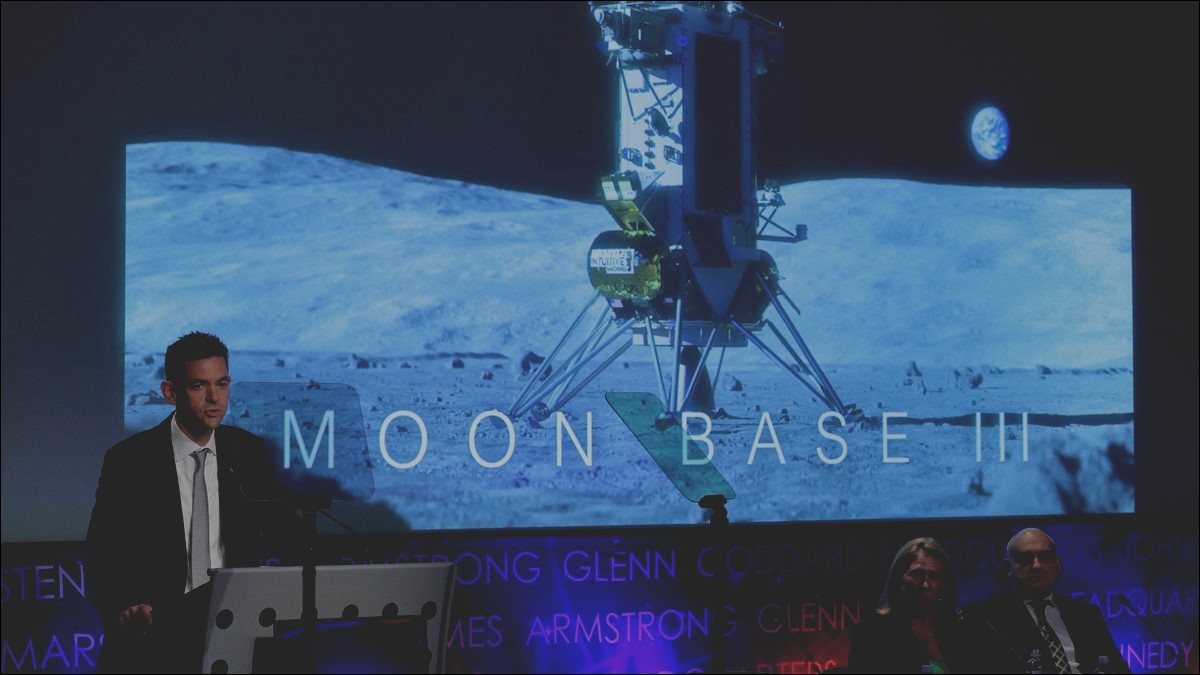
Last week, at the Indian Space Research Organisation (ISRO) headquarters during the ninth India-U.S. Civil Space Joint Working Group meeting, NASA seized the opportunity to invite ISRO to join its ambitious ‘Moon Base’ program. This initiative, aligned with the Artemis Accords, aims to establish a human outpost on the Moon by 2030, particularly near the Moon’s south pole, where sunlight lasts longer and water-ice can be found in shaded craters.
To bring this vision to life, NASA is increasingly relying on partnerships with private companies. Major contracts have been granted to firms like Astrolab and Lunar Outpost for lunar vehicles and to others like Blue Origin and Astrobotic for robotic missions, showcasing a growing trend of collaboration beyond traditional government roles in space exploration.
New developments in the Artemis program are also noteworthy. Under the leadership of NASA Chief Jared Isaacman, changes have been made to the missions planned for the coming years. Mission III is set for a crewed flight around Earth in 2027, while Mission IV aims for a lunar landing in 2028. Collectively, these efforts represent a significant milestone in American space exploration.
Strengthening Ties
Since India joined the Artemis Accords in 2023, NASA and ISRO have ramped up their collaboration in various fields, including training Indian astronauts for the ambitious ‘Gaganyaan’ mission. A landmark project was the launch of the NASA-ISRO Synthetic Aperture Radar, culminating years of work and scientific research.
However, the shadow of competition looms over space exploration. China and Russia recently announced plans for their own lunar station called the International Lunar Research Station, targeting a 2035 completion date. This facility, set to be located near the Moon’s south pole, is part of a broader international collaboration involving 17 countries and numerous research institutions.
As tensions rise, NASA has made it clear that it welcomes proposals for lunar payloads from various nations – except those with ties to China. This reflects a shift in policy where maintaining U.S. advantage in space has become a top priority, especially in response to China’s advancements.
A Complex Landscape
The competition between the U.S. and China will inevitably impact India’s space pursuits. As ISRO collaborates more closely with NASA, the political landscape of space exploration becomes more complicated. There’s a growing concern that as India allies itself with U.S.-led efforts, it may inadvertently limit its options in working with other nations, like China.
For instance, if China were to invite India to participate in the proposed lunar research station in 2035, India would face a tricky situation. Differences in technology and operational standards could force India to invest in alternative systems or persuade China to adapt to Western technologies.
Ultimately, India’s increasing involvement with the U.S. may inadvertently raise costs when engaging with other nations, especially as competition intensifies. Nevertheless, it’s also essential for India to continue strengthening ties with NASA, as the U.S.-led sector offers robust technological resources.
India must keep its strategic independence in mind and avoid becoming too dependent on any single international partner in space. Advocating for open international standards could enable collaboration while allowing nations to retain control over their technology.
In summary, while the Moon is becoming less of a foreign territory, its exploration is inextricably linked to the geopolitical conflicts on Earth. Without careful navigation, India risks becoming a foreigner in this new and promising realm.
