
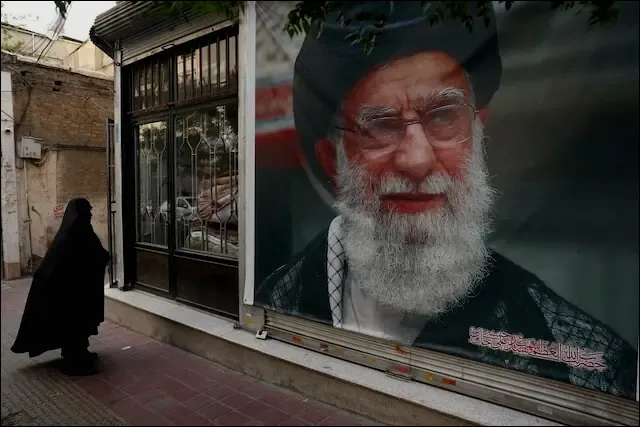
Washington/Dubai: US and Pakistani Leaders Expect Peace Agreement with Iran
US and Pakistani leaders are optimistic about a long-awaited peace agreement to end hostilities between the United States and Iran, eyeing a potential signing this Sunday. However, Iranian officials have expressed uncertainty about the timeline, and protests from hardliners in Iran highlight the challenges ahead.
On Saturday, President Donald Trump announced on social media that a deal was set to be signed the next day, which coincides with his 80th birthday. Pakistani Prime Minister Shehbaz Sharif confirmed that both sides had reached an agreement and that preparations were in place for an electronic signing, followed by technical discussions in the week ahead.
Despite this optimism, Iran did not validate the scheduled signing. Esmaeil Baghaei, the spokesperson for Iran’s Foreign Ministry, hinted at pre-signing caution and remarked, “It will not be tomorrow,” but mentioned it could happen in the near future.
Hope for Quick Agreement
Trump stated that after the deal is signed, the Strait of Hormuz—a crucial route for global oil supplies that Iran has previously blocked—would be “open to all.”
However, hardline groups in Iran are making their opposition known. Videos circulating on social media and news platforms depict protests in Tehran, where demonstrators have criticized Foreign Minister Abbas Araqchi, calling out, “Araqchi have some shame, let go of America!”
Ongoing Clashes
Amid the negotiations, violence continues. The US military has maintained a blockade on Iran, aiming to ease Iran’s control over the Strait of Hormuz, which was pivotal for global oil shipments before the current conflict. Multiple Iranian drones targeting the strait were shot down by US forces on Saturday.
In addition, Israel has claimed responsibility for airstrikes against Hezbollah positions in Lebanon, despite asserting that it is not part of the US-Iran talks. Tensions between Israeli Prime Minister Benjamin Netanyahu and Trump have emerged regarding the need for Israel to temper its military actions to facilitate a deal.
Priority on Strait and Nuclear Talks
In Iran, pro-government rallies were met with vocal criticism from hardline factions against the proposed agreement. Protesters in the city of Mashhad chanted, “Death to the compromiser,” indicating discontent with the prospect of negotiations.
The proposed agreement aims to reopen the Strait of Hormuz and lift the US naval blockade. Following this initial phase, discussions regarding Iran’s nuclear program—which have been a significant point of contention—would commence.
“We expect Iran to open the Strait of Hormuz, possibly without tolls, and in return, we will lift our blockade,” a US official shared with reporters.
Discussions also involve releasing billions of dollars in frozen Iranian assets and easing sanctions on oil exports, contingent upon Iran allowing free passage through the strait. Furthermore, Iranian officials have requested an end to foreign military bases in the region and indicated that the nuclear program would be subject to a two-month negotiation period, potentially leading to the dismantling of Iran’s nuclear capabilities.
