Close Menu
  • Home
  • World News
  • India News
  • Business News
  • Health
  • Sports
  • Indian Diaspora In US
  • Technology
  • Bollywood
  • Education
Facebook X (Twitter) Instagram
Sunday, June 14, 2026
Breaking News
  • Fading Oceans, Scorched Earth: The Overlooked Human Crisis in India’s Fields
  • India’s First Player Steps onto FIFA World Cup 2026 Stage as Australia Stuns Turkiye
  • Fewer Kids, Bigger Choices: The Shift in India’s Baby Boom
  • US and Iran Move Towards Agreement as Timeline Hangs in Balance
  • KPMG Withdraws ‘Excellence in Agentic AI’ Report Amid Corporate Backlash: “This Isn’t What We Stood For”
  • CBFC Scrubs ‘Sex’ and ‘F**k’ from Spielberg’s Disclosure Day: Bollywood Buzz

  • ICC Prosecutor Karim Khan Temporarily Relieved of Duties Amid Misconduct Allegations
  • Indian Diaspora Finds Heartfelt Bond with PM Modi During France Visit
Facebook X (Twitter) Instagram
India Bulletin
Advertisement
  • Home
  • World News
  • India News
  • Business News
  • Health
  • Sports
  • Indian Diaspora In US
  • Technology
  • Bollywood
  • Education
India Bulletin
Home»India News»Fading Oceans, Scorched Earth: The Overlooked Human Crisis in India’s Fields
India News

Fading Oceans, Scorched Earth: The Overlooked Human Crisis in India’s Fields

June 14, 20264 Mins Read
Facebook Twitter Email
Share
Facebook Twitter Email


The United Nations has recently published its Third World Ocean Assessment, highlighting some serious issues. The oceans are warming at an alarming rate, sea levels are rising, and the southern Indian Ocean is experiencing the most significant temperature increases.

Historically, ocean health has been seen as a far-off concern, but this view needs to change. Our oceans directly influence the weather we experience on land. India is now facing an urgent environmental crisis that is negatively impacting our farmers—the very people who grow our food.

This situation goes beyond just economic discussions. It is about the survival and dignity of those who work the land.

The Impact of Heat Stress

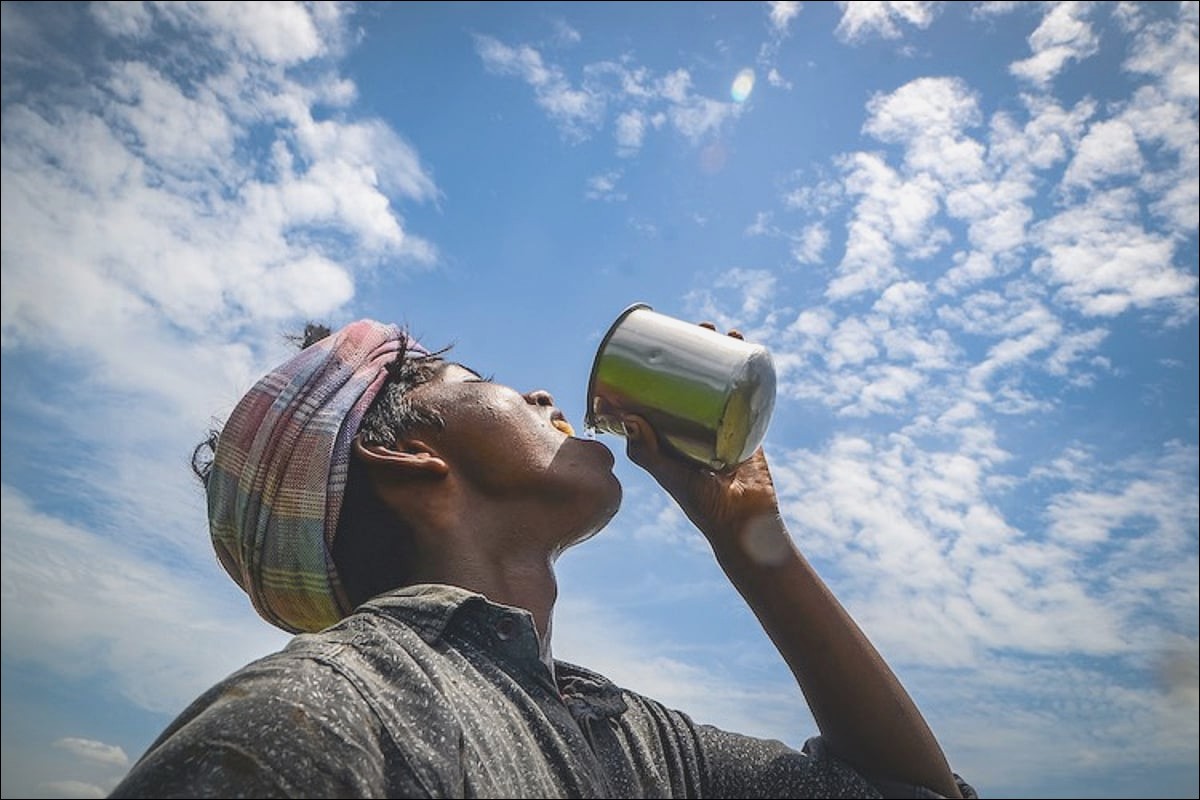
While rising sea levels shift our coastlines, extreme heat waves fueled by warmer oceans are damaging agricultural regions. A recent study by the Energy and Climate Intelligence Unit (ECIU) reveals a distressing truth: heat stress is costing farmers crucial working hours and affecting their health.

On average, an agricultural worker in India loses about 648 working hours each year due to dangerous midday temperatures. This equals a staggering 20% loss of productive time, or nearly two full months of work. The conditions are becoming too hazardous for people to work outside.

The harsh reality is that working in temperatures exceeding 45°C can lead to severe issues like dehydration, heat exhaustion, and even kidney problems. Farmers are being forced to choose between tending to their crops or risking their health and lives. This isn’t something looming in the future—it’s a pressing humanitarian issue we face today.

A Generational Perspective

For younger people, particularly Gen Z, this crisis isn’t just a question of economics. They view it through the lens of social justice. They recognize that the farmers who contribute the least to climate change are suffering the most. A truly developed society cannot thrive on the pain of its workforce.

Learning from Israel, where technology has been harnessed to tackle harsh agricultural conditions, India can similarly use innovation to protect its farmers. Israel has transformed its arid landscape into productive farmland through automated irrigation and advanced techniques that minimize physical labor, allowing people to work safely.

A Plan for Change

India cannot continue with reactive governance that treats people as mere resources. We need a focused approach that puts human health at the forefront.

  1. Reworking Labor Practices: We must adapt agricultural work to suit the climate. This means scheduling heavy tasks for cooler times of day and providing local hydration stations to keep workers safe.

  2. Embracing Agritech: Investment must be made in technologies that lessen farmers’ physical demands. This includes subsidizing automated irrigation systems and developing crop varieties that are easier to manage.

  3. Protecting Our Primary Producers: Policies need to safeguard farmers and fishermen, who are vital for our country’s health.

We already have some laws and data but lack the political drive to enforce them. Critical measures must be taken to shield outdoor workers and improve water management.

Current Efforts and Challenges

Waste Management: India has enforced stricter regulations on plastic use, but local enforcement remains weak, leading to ongoing pollution problems.

Wastewater Recycling: There has been progress in recycling efforts, yet only a fraction of wastewater is treated or reused, causing serious environmental damage.

Urban Planning: Concepts like ‘Sponge Cities’ have been introduced but need more comprehensive implementation to truly protect against flooding.

Labor Protection: While there are guidelines suggesting reduced outdoor work during extreme heat, they lack legal backing, leaving vulnerable workers with few options.

The Way Forward

As the urgency of climate issues escalates, it’s crucial to take the concerns of younger generations seriously. They have been advocates for change and should be involved in shaping policies that affect their future.

Political leaders must recognize that today’s decisions will impact tomorrow’s world. It’s time to empower young voices and integrate them into discussions about climate solutions.

The warning signs from our oceans and fields are clear. Ensuring the health and dignity of our farmers is no longer an option—it’s a duty we must fulfill now, before it’s too late.

agrarian crisis agricultural crisis agricultural distress agricultural productivity agricultural workers agritech biodiversity loss brs climate action climate adaptation climate adaptation strategies climate advocacy climate and farming climate awareness Climate Crisis climate governance climate impact on farming climate impacts climate justice climate policy India climate refugees climate resilience climate technology climate vulnerability climate-emergency drip irrigation drought resilience eco-anxiety ecological crisis ecological feedback loop ecosystem collapse environmental advocacy environmental degradation environmental justice Environmental Policy Environmental Sustainability extreme heat extreme weather farmer health farmer livelihoods farmer rights farmer safety farmer welfare food security food systems Gen Z climate activism Gen Z India global warming heat action plans heat exposure heat stress heat waves India human toll humanitarian crisis India climate change India environment policy. Indian agriculture Indian farmers Indian Ocean warming Israel agriculture model K Kavitha kalvakuntla kavitha labour protection land degradation livelihood security marine ecology marine ecosystems marine heatwaves monsoon variability ocean conservation ocean health ocean temperatures ocean warming outdoor workers precision farming public health crisis regenerative agriculture resource depletion Rural development rural economy rural health rural India rural livelihoods sea level rise socioeconomic impact soil degradation southern Indian Ocean sustainable agriculture sustainable development telanga rashtra samithi telangana rakshana sena Third World Ocean Assessment trs United Nations report wastewater recycling Water scarcity weather patterns youth climate movement
Share. Facebook Twitter Email
admin
  • Website

Related Posts

Fewer Kids, Bigger Choices: The Shift in India’s Baby Boom

June 14, 2026

Young Indian-Origin Man, 26, Fatally Stabbed in London’s Southall

June 14, 2026

Shah Reviews Progress of Demographic Change Panel

June 14, 2026
  • Facebook
  • Twitter
  • Instagram
Don't Miss

Fading Oceans, Scorched Earth: The Overlooked Human Crisis in India’s Fields

India’s First Player Steps onto FIFA World Cup 2026 Stage as Australia Stuns Turkiye

Fewer Kids, Bigger Choices: The Shift in India’s Baby Boom

US and Iran Move Towards Agreement as Timeline Hangs in Balance

Started in 2004, India Bulletin is the largest and
most read South Asian publication
in Chicago and surrounding Midwest.

  • Home
  • About Us
  • Contact
  • Advertise With Us
  • Privacy Policy
  • Terms of Use
  • Disclaimer
  • CCPA
News
  • Bollywood
  • Business News
  • Health
  • India News
  • Indian Diaspora In US
  • Sports
  • Technology
  • World News
Facebook X (Twitter) Instagram

Type above and press Enter to search. Press Esc to cancel.

Accessibility Adjustments

Powered by OneTap

How long do you want to hide the toolbar?
Hide Toolbar Duration
Select your accessibility profile
Vision Impaired Mode
Enhances website's visuals
Seizure Safe Profile
Clear flashes & reduces color
ADHD Friendly Mode
Focused browsing, distraction-free
Blindness Mode
Reduces distractions, improves focus
Epilepsy Safe Mode
Dims colors and stops blinking
Content Modules
Font Size

Default

Line Height

Default

Color Modules
Orientation Modules