
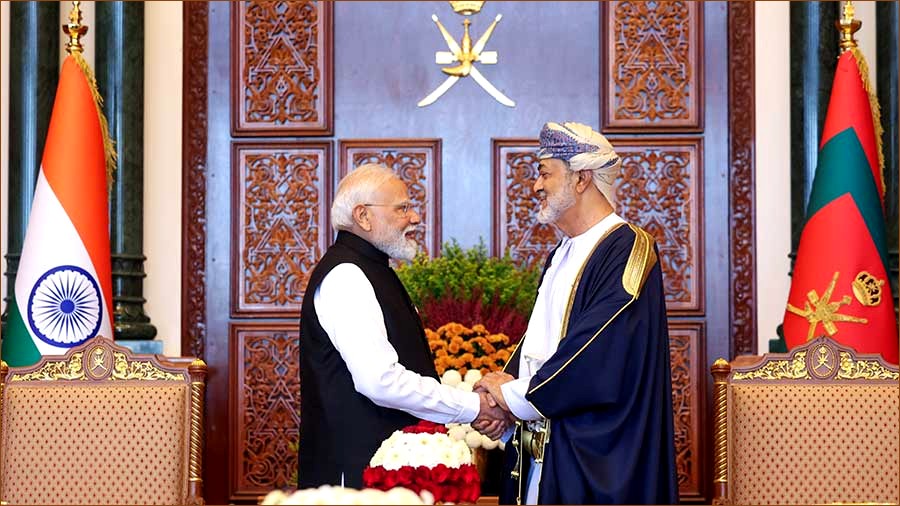
India-Oman Comprehensive Economic Partnership Agreement Goes Live
On June 1, 2026, India and Oman officially launched their Comprehensive Economic Partnership Agreement (CEPA), signaling a significant step forward in their economic collaboration. This trade agreement aims to boost trade and investment, enhance market access for businesses, and strengthen India’s relationships in the Gulf region.
The CEPA was signed on December 18, 2025, setting the groundwork for expanded commercial ventures across various sectors. One of its immediate impacts is the elimination of a 5% import tariff on over $3.6 billion worth of Indian goods, along with expedited marketing approvals for pharmaceuticals.
Key Features of the CEPA
Unlike traditional free trade agreements, which mainly focus on reducing tariffs, CEPA covers a broader spectrum of economic activities, including:
- Trade in goods and services
- Investment facilitation
- Protection of intellectual property
- Customs procedures
- Mechanisms for resolving disputes
The agreement allows for duty-free access to most products while maintaining lower tariff rates for sensitive items. India has kept preferential duty rates ranging from 4% to 27% for certain goods to protect local industries.
Trade Relations Overview
Trade relations between India and Oman have strengthened, with bilateral merchandise trade reaching $11.18 billion in FY 2025-26, up from $10.61 billion the previous year. This growth reflects India’s increasing reliance on imports from Oman, particularly in energy and industrial inputs. Notably, Indian exports to Oman in sectors like ships and boats skyrocketed by over 1,600% in the same fiscal year.
Merchandise Trade Data (FY in US$ Million)
| Trade Activities | 2024-25 | 2025-26 |
|---|---|---|
| India’s Exports to Oman | 4,065.35 | 4,021.48 |
| India’s Imports from Oman | 6,548.73 | 7,166.39 |
| Total Trade | 10,614.08 | 11,187.87 |
| Growth Percentage | 18.63% | 5.41% |
Expanding Service Trade
The services trade has also seen substantial growth. From 2020 to 2024, India’s services exports to Oman rose from $397 million to $665 million, mainly due to sectors like IT, transport, and tourism. India’s imports of services from Oman also doubled in this period.
Immediate Benefits of the CEPA
As of June 1, 2026, Oman has pledged duty-free treatment on 98.08% of its tariff lines, covering approximately 99.38% of the trade value. This is a significant leap from the previous Most Favored Nation (MFN) approach, where many Indian exports faced customs duties.
The CEPA not only removes the 5% import duty on many Indian products but also enhances their competitiveness in the Omani market.
Sector Opportunities
The CEPA is anticipated to open up new opportunities across various industries, benefiting sectors like:
- Textiles and apparel
- Processed food products
- Transport equipment
- Precision instruments
- Gems and jewelry
Safeguards for Sensitive Industries
India has taken a balanced approach to trade liberalization by retaining protections for sectors considered sensitive. Items like agricultural products, dairy, and petroleum-based goods are exempt from tariff concessions to safeguard domestic interests.
Pharmaceutical Advantages
Under the CEPA, Indian pharmaceutical exports to Oman will generally receive zero-duty access. Previously, tariffs could go up to 5% on some products. This includes critical medicines and vaccines, marking a significant step for sectors vital to health.
Conclusion: A Strategic Move for Businesses
The India-Oman CEPA represents a meaningful expansion of trade relations, offering valuable opportunities for exporters and service providers. As India strengthens its economic ties in the Gulf, Oman stands out as a key market for businesses looking to enter broader Middle Eastern and African markets.
For those keen to delve into trade within this dynamic landscape, Oman is set to become an increasingly important gateway.
