
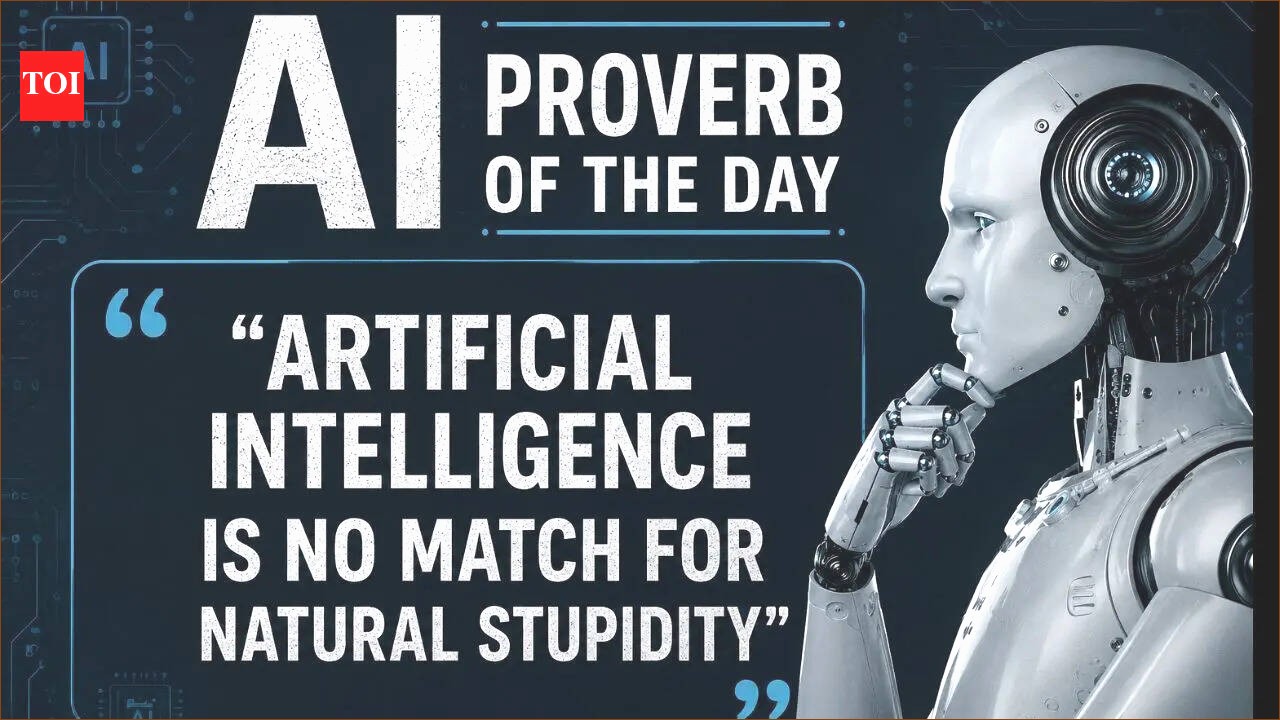
The Wisdom Behind the AI Proverb: “Artificial Intelligence Is No Match for Natural Stupidity”
Some proverbs come from ancient cultures and are full of wisdom, while others seem to emerge from late-night internet rants. The saying, “Artificial intelligence is no match for natural stupidity,” likely falls somewhere in between. It offers a humorous yet sharp commentary on modern life, capturing a truth most of us recognize.
At first glance, the proverb seems to mock humanity. However, if you take a moment to think about it, it reveals larger ideas about technology, human behavior, and the misconception that smarter machines alone can lead to smarter societies. This belief has become popular during the rise of artificial intelligence. Every few months, new headlines claim that AI will revolutionize industries, create jobs, or drastically change daily life. AI can draft essays, generate art, answer questions, and automate tasks that once required human input.
Despite these advancements, humans continue to make easily avoidable mistakes. From ignoring warnings about scam links to spreading misinformation based on only a headline, many still make decisions without proper judgment. This contrast between fast-growing technology and the slower pace of human behavior lies at the heart of the proverb.
Understanding the Meaning Behind the Proverb
The proverb suggests that advanced technology cannot completely fix problems created by poor human judgment. While AI can process vast amounts of information, recognize patterns, and assist with complicated tasks, it heavily relies on human decision-making. This irony highlights that machines can become smarter, but humans remain emotional, sometimes irrational, beings. The term “natural stupidity” exaggerates for humor, but many recognize such behavior in themselves.
Logic often takes a backseat to emotions like pride, anger, and impatience. Admitting mistakes can be uncomfortable, leading many to defend poor choices. The disconnect between intelligence and wisdom is a reality we all understand, making this proverb resonate strongly.
Technology Alone Doesn’t Solve Poor Decisions
In the past, many believed that the internet would lead to a better-informed society, providing instant access to information. This should have dramatically improved public understanding, and in some ways, it did. People can now study a variety of subjects online and access educational material from anywhere in the world.
However, this surge of information also brought about rapid spreads of misinformation, conspiracy theories, and overconfidence. Some individuals feel like experts after consuming minimal content online, and social media amplifies this phenomenon. AI cannot fix these issues because they stem from human behavior, not technology itself.
Emotional Decision-Making
This proverb remains relevant because research shows that humans often act on emotions rather than logic. Fear, pride, and anger can all influence decisions. Even intelligent people are not immune to making poor choices or believing in false information. Knowledge and judgment aren’t the same, highlighting the gap that the proverb effectively addresses. No matter how advanced AI becomes, bad human judgment can quickly lead to chaos.
How AI Mirrors Humanity
Another layer to the saying is the fact that artificial intelligence doesn’t exist in a vacuum. AI systems learn from human-created data, language, and patterns. Consequently, technology often reflects both human strengths and weaknesses. Misused tools can lead to harmful outcomes, raising serious questions about ethics and responsibility.
The Proverb’s Modern Relevance
Artificial intelligence has rapidly become part of everyday life. Students use AI for homework, companies automate customer service, and algorithms guide hiring decisions. Yet, the public still faces the same human challenges—falling for scams, sharing false information, and arguing without adequate knowledge. This contrast highlights the proverb’s truth: while technology evolves quickly, human nature changes much more slowly.
Key Life Lessons from the Proverb
- Intelligence Doesn’t Equal Wisdom: Access to information doesn’t guarantee good decisions. Wisdom comes from patience and self-awareness.
- Technology Doesn’t Replace Responsibility: AI aids humans, but ultimate responsibility lies with individuals.
- Overconfidence Can Be Dangerous: Many speak assertively about topics they barely understand, leading to poor outcomes.
- Human Intent Shapes Technology: The future of technology is determined by human ethics, responsibility, and intentions.
Concluding Thoughts
This proverb gains traction because it reflects a shared frustration in modern life. We’ve created remarkable technologies capable of astonishing feats, yet smarter systems don’t automatically lead to wiser choices. This uncomfortable truth is buried beneath the humor of the saying. While machines can analyze data faster than we can, humans continue to make illogical decisions. The laughter it provokes stems from both its exaggeration and its uncomfortable familiarity.
