Close Menu
  • Home
  • World News
  • India News
  • Business News
  • Health
  • Sports
  • Indian Diaspora In US
  • Technology
  • Bollywood
  • Education
Facebook X (Twitter) Instagram
Saturday, May 9, 2026
Breaking News
  • Jofra Archer’s Nightmarish Over: 11 Deliveries, 17 Runs in IPL 2026 Clash Between RR and GT
  • India-Pakistan Standoff Persists One Year Post-Ceasefire
  • Fitness Expert Kenny Santucci Reveals 4 Gyms That Deliver Exceptional Value
  • NATO Leans on U.S. Military Strength Amid Rising Commitment Concerns
  • IPL 2026: Arshdeep Singh’s Instagram Reels Face BCCI Scrutiny
  • Today’s Business Buzz: Insights on Stocks, Market Trends, Economy, and Live IPO Updates
  • Letter Questions Ed Tech Effectiveness Amid MPSD Student Score Decline
  • Sidharth Malhotra Sparks Laughter as Team Vvan Debuts Comic Book Ahead of Film Release!
Facebook X (Twitter) Instagram
India Bulletin
Advertisement
  • Home
  • World News
  • India News
  • Business News
  • Health
  • Sports
  • Indian Diaspora In US
  • Technology
  • Bollywood
  • Education
India Bulletin
Home»World News»NATO Leans on U.S. Military Strength Amid Rising Commitment Concerns
World News

NATO Leans on U.S. Military Strength Amid Rising Commitment Concerns

May 9, 20263 Mins Read
Facebook Twitter Email
Share
Facebook Twitter Email


Challenges Facing NATO: Dependency and Defense

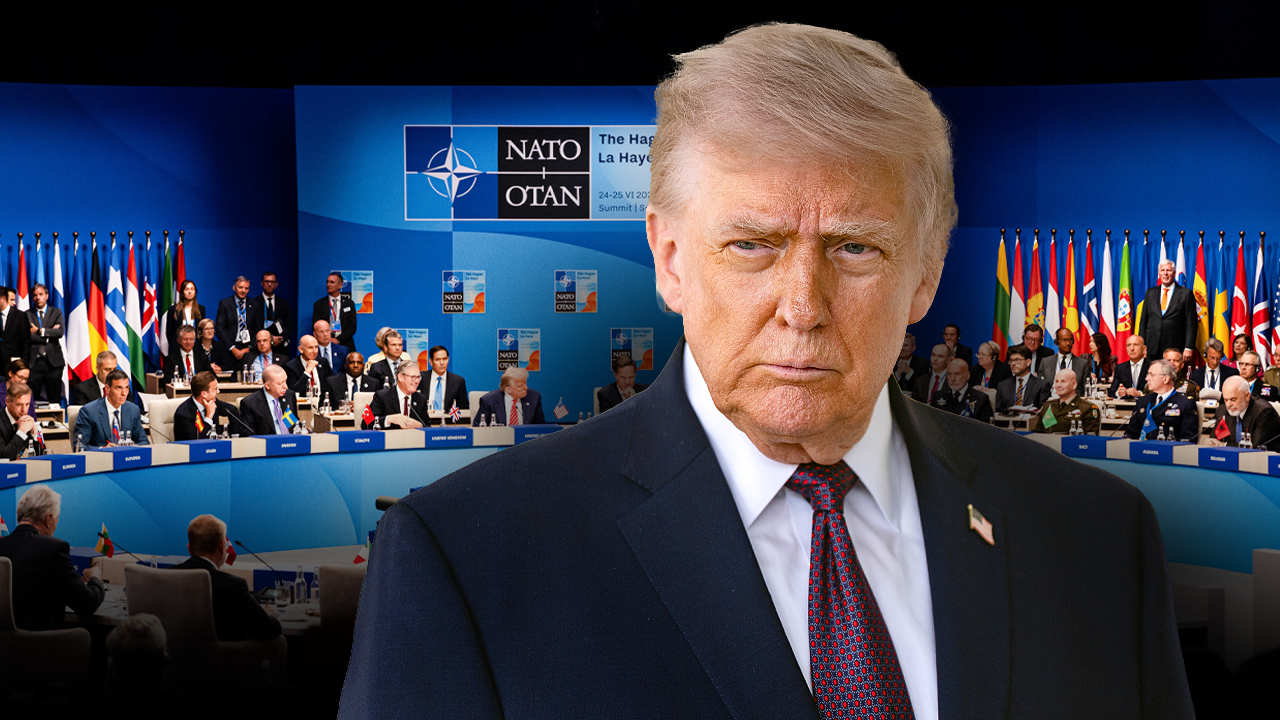
NATO has become a large organization that leans heavily on American military support, according to Keith Kellogg, a former top national security advisor. As President Donald Trump has pushed NATO allies to spend more on their defense—resulting in the withdrawal of around 5,000 U.S. troops from Germany—concerns are growing within the alliance. Even with increasing defense budgets in Europe, NATO continues to rely substantially on the U.S. for missile defense, intelligence, and logistical support.

This dependence has led to a widening gap between what NATO countries commit to politically and their actual military capabilities. Calls for changes in NATO’s structure are intensifying as the alliance deals with threats from Russia and unrest in the Middle East.

Kellogg emphasizes that NATO’s current set-up could use a rethink, suggesting a tiered approach to the alliance’s relationship, which could involve a new, improved defensive strategy in Europe. He argues that while NATO has expanded politically, its military capabilities have not kept pace.

European nations face real challenges with their defenses. For instance, the British military struggles to deploy forces effectively, with only limited operational capabilities. Kellogg argues that many European military systems are outdated and underfunded, leading to a lack of readiness.

In contrast, John R. Deni, a research professor at the U.S. Army War College, believes NATO is more relevant now than ever. He cites NATO’s importance in maintaining U.S. national security and helping to stabilize vital economic relationships between North America and Europe.

Concerns about dependence on the U.S. are not new. It was estimated that the U.S. accounted for about 65% to 70% of NATO’s defense spending around 2010. While allies benefit from the U.S. military’s high-end capabilities, discussions are starting to arise about the level of reliance that might be too high.

Nonetheless, recent increases in defense spending among NATO allies signal shifts towards greater independence, especially following Russia’s actions in Crimea in 2014. Although improvements in military capability take time, the alliance is on a path to enhance its readiness.

A NATO official expressed the need for allies to balance their defense responsibilities more fairly with the U.S. This includes expanding air and missile defense, increasing the number of armored vehicles, and improving logistics support.

Kellogg warned of potential strains on NATO’s effectiveness if the U.S. military is stretched thin elsewhere. He emphasized that quick responses are critical, especially given ongoing threats from nations like Russia.

While challenges exist, the overarching message is clear: NATO’s future depends on its ability to adapt and respond effectively to a changing world.

alliances defense National security NATO spending
Share. Facebook Twitter Email
admin
  • Website

Related Posts

Alberta Separatists Gather Enough Signatures to Trigger Independence Referendum

May 9, 2026

Tragedy Strikes as Mount Dukono Erupts in No-Go Zone, Leaving Three Dead and Five Hurt

May 9, 2026

Experts Warn Iran Could Be Offloading Oil in Gulf Due to Trump Blockade

May 8, 2026
  • Facebook
  • Twitter
  • Instagram
Don't Miss

Jofra Archer’s Nightmarish Over: 11 Deliveries, 17 Runs in IPL 2026 Clash Between RR and GT

India-Pakistan Standoff Persists One Year Post-Ceasefire

Fitness Expert Kenny Santucci Reveals 4 Gyms That Deliver Exceptional Value

NATO Leans on U.S. Military Strength Amid Rising Commitment Concerns

Started in 2004, India Bulletin is the largest and
most read South Asian publication
in Chicago and surrounding Midwest.

  • Home
  • About Us
  • Contact
  • Advertise With Us
  • Privacy Policy
  • Terms of Use
  • Disclaimer
  • CCPA
News
  • Bollywood
  • Business News
  • Health
  • India News
  • Indian Diaspora In US
  • Sports
  • Technology
  • World News
Facebook X (Twitter) Instagram

Type above and press Enter to search. Press Esc to cancel.

Accessibility Adjustments

Powered by OneTap

How long do you want to hide the toolbar?
Hide Toolbar Duration
Select your accessibility profile
Vision Impaired Mode
Enhances website's visuals
Seizure Safe Profile
Clear flashes & reduces color
ADHD Friendly Mode
Focused browsing, distraction-free
Blindness Mode
Reduces distractions, improves focus
Epilepsy Safe Mode
Dims colors and stops blinking
Content Modules
Font Size

Default

Line Height

Default

Color Modules
Orientation Modules