
Brief: US and Iran Clash in Strait of Hormuz Amid Rising Tensions
Recent clashes between the U.S. and Iran in the Strait of Hormuz have intensified, with U.S. airstrikes targeting tankers attempting to breach an Iranian blockade. U.S. officials assert that strong responses will continue for any threats aimed at American interests. The situation escalated after President Trump previously termed earlier Iranian actions as minor provocations.
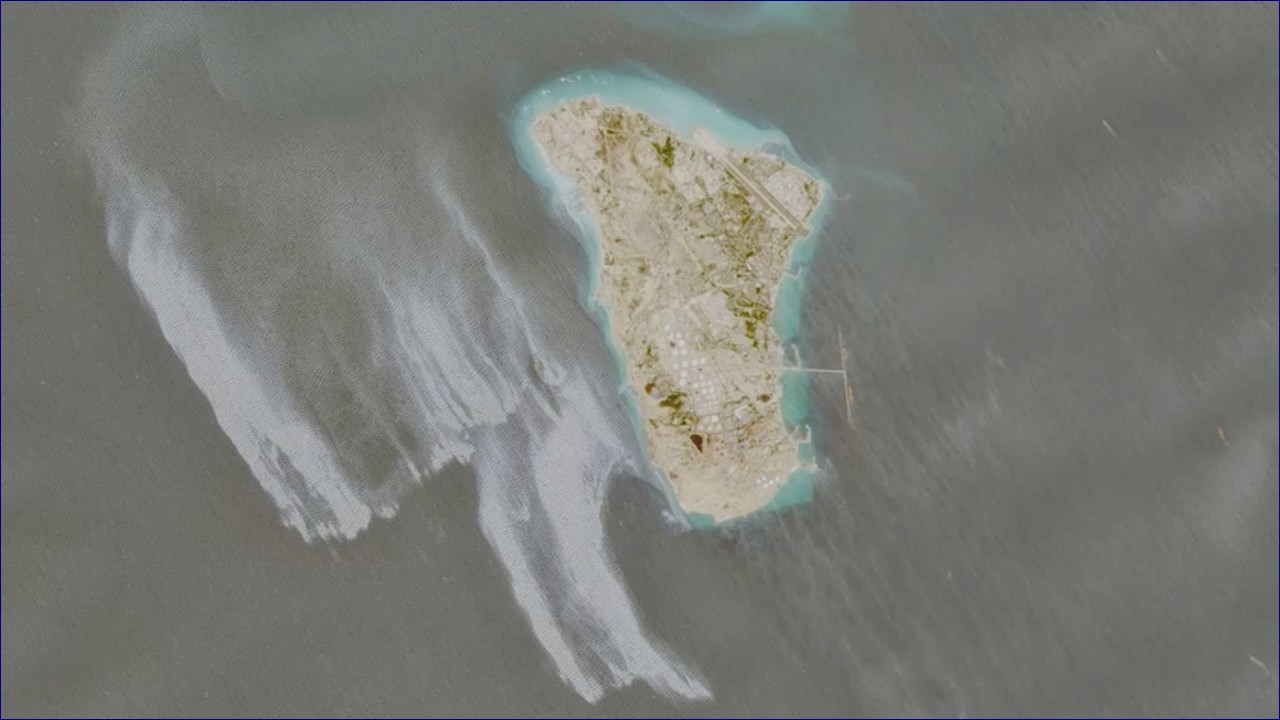
Satellite images have detected a significant oil slick near Kharg Island, which is Iran’s primary oil export hub. Experts suggest this could signal that Iran’s oil infrastructure is struggling under U.S. pressure. Analysts noted that the slick, spanning approximately 45 square kilometers, emerged between Wednesday and Friday this week, likely indicating issues within Iran’s capacity to manage oil exports effectively.
The U.S. has been tightening its economic strategy against Iran, aiming to cripple its oil sales, which are vital for Tehran’s revenue. Before the current crisis, Iran was exporting about 1.5 million barrels of oil daily, primarily to China. However, the ongoing blockade and sanctions on shipping and finance have created significant obstacles for Iranian oil transport.
Concerns are growing over the possible environmental impact of the oil slick, which could disrupt the waters of the Gulf and other neighboring regions. Experts warn that if Iran cannot export its oil or find more storage, it may have to shut down its wells—a move that could harm the long-term health of its oil fields.
As tensions rise, military activity in the Gulf remains high, with many vessels trapped and global oil supply lines facing severe disruptions. Iran has not yet commented on the situation regarding the suspected oil spill.
