
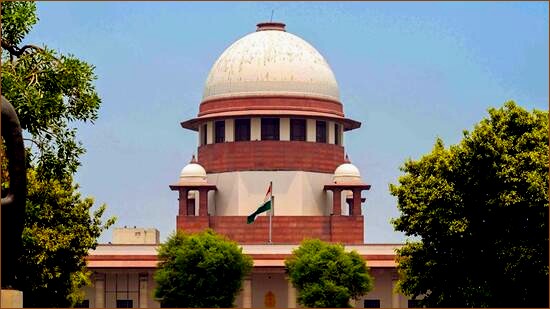
On Tuesday, the Supreme Court introduced a new initiative aimed at promoting amicable resolutions to disputes across the country. Titled “Samadhan Samaroh 2026,” this program aims to foster better communication and understanding in legal matters and will culminate in a special Lok Adalat scheduled for August 21 to 23.
The initiative encourages litigants, lawyers, and other involved parties to seek mutually acceptable solutions to pending cases before the Supreme Court. Publicly announced, it reflects a vision of “participative justice” and the goal of making legal processes more accessible.
The program officially kicked off on April 21 and will last for four months. During this period, participants can register and attempt to resolve their issues through both in-person meetings and online sessions before the special Lok Adalat takes place. To support this effort, the court has launched a dedicated online portal and established a “war room” to facilitate coordination.
As of April 2026, there are over 94,000 pending cases in the Supreme Court. Chief Justice Surya Kant is leading this initiative and has been a strong advocate for alternative dispute resolution methods, especially mediation, as essential elements of judicial reform.
In various public forums, including the Hindustan Times Leadership Summit in December 2025, Chief Justice Kant highlighted the importance of mediation. He described it as a “game changer” that not only resolves conflicts but can also preserve relationships, allowing both parties to walk away satisfied.
Additionally, during a symposium in Orissa, he emphasized that mediation should be recognized as a strategic approach rather than a sign of defeat. He urged government departments to reconsider their habitual tendency to contest every decision, which strains the court system.
At a recent international conference in Delhi, Chief Justice Kant reiterated that for India to emerge as a key player in resolving complicated cross-border disputes, an integrated alternative dispute resolution system must be established. He stressed the need for mediation and arbitration to work together harmoniously.
This new initiative by the Supreme Court represents a significant step towards incorporating consensual dispute resolution at a high judicial level, commonly seen in district courts but rare at this tier. It marks an important institutional effort to enhance justice delivery across the nation.
