
New AI Tool for Faster Diagnosis from CT Scans
March 17, 2026
In exciting news, researchers have created a new machine learning model that interprets abdomen CT scans. This innovative tool, named Merlin, could speed up the process of diagnosing various chronic diseases.
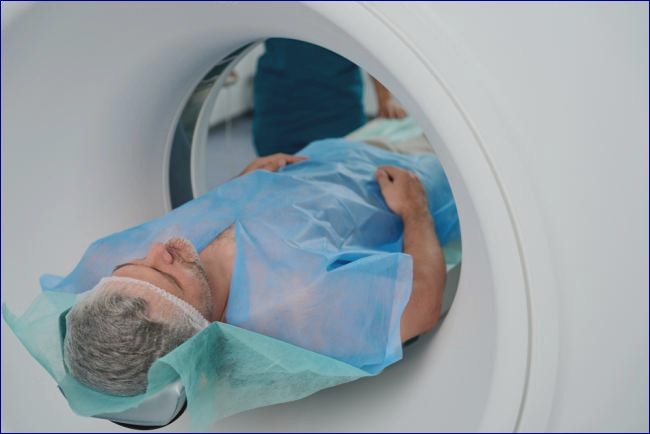
CT scans, a popular 3D imaging method, are essential for spotting issues like tumors and infections. However, analyzing these scans can take up to 20 minutes per scan, leading to delays in getting a diagnosis. As the number of scans grows, there aren’t enough radiologists to keep up, causing longer wait times for patients.
The research team, spearheaded by Dr. Akshay Chaudhari from Stanford University, focused on developing Merlin to analyze these complex 3D scans quickly. Their findings were published in the journal Nature on March 4, 2026.
To train Merlin, the team used over 15,000 CT scans and their associated reports, along with nearly a million diagnosis codes. They then tested the tool on more than 50,000 scans from various hospitals and datasets. Merlin was assessed on six different tasks related to diagnosis.
In testing, Merlin showcased impressive results. It matched radiologists’ diagnoses with an accuracy exceeding 81% on average and even surpassed 90% accuracy for 102 diagnosis codes.
Additionally, Merlin has shown promise in predicting whether healthy patients might develop chronic diseases within five years, achieving a success rate of 75%. This suggests that the AI can recognize important features in scans that may be missed by human eyes.
To further evaluate its reliability, the team applied Merlin to chest CT scans, which weren’t part of its training. Remarkably, it performed as well as existing models trained specifically for those scans.
However, Merlin does face challenges with more complex tasks, such as generating detailed radiology reports and accurately identifying organs in 3D images.
The researchers believe that Merlin could greatly assist radiologists, particularly with simpler tasks, while they continue refining the model for more complex applications. They plan to seek approval for clinical use and have made their data and model accessible for other researchers to build on.
“Our model and the data provided will serve as a strong foundation for future advancements,” Dr. Chaudhari remarked. “The potential is limitless.”
