
Tensions Rise in Israel Ahead of Key Election
TEL AVIV, ISRAEL — Posters of Israel’s political leaders are prominently displayed throughout the streets, and in homes, cafes, and family gatherings, one pressing question is on everyone’s mind: Will Prime Minister Benjamin Netanyahu continue to lead the country?
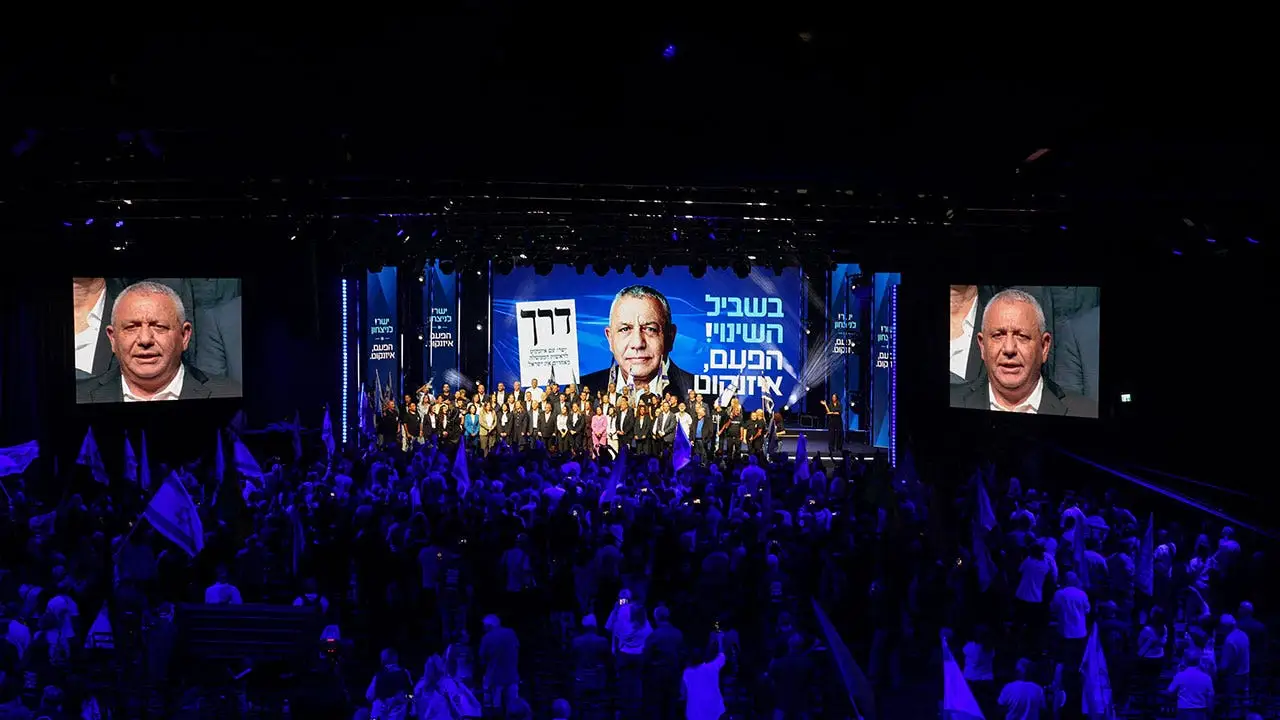
As Israelis prepare to vote on Tuesday, the nation is getting ready for a fiercely competitive election that could lead to another stalemate in politics. This election is particularly significant due to the national mood and past events that have shaped the current landscape.
For many citizens, this vote represents a critical moment of accountability following the tragic events of October 7, 2023, when a devastating attack by Hamas resulted in the deadliest day in Israel’s history.
Support from U.S. Leaders
Former U.S. President Trump has voiced his opinion, stating that a Netanyahu victory is essential or else the U.S. might have to face challenges posed by Iran alone.
Netanyahu, a dominant figure in Israeli politics for many years, faces criticism for not fully accepting responsibility for security lapses that led to the attacks. Instead of agreeing to a thorough independent investigation, his government proposed a politically appointed probe, which has been met with strong resistance from many affected families.
Political Divisions Run Deep
The divisions in Israeli society have been apparent long before the events of October 7. In recent months, large protests erupted against Netanyahu’s proposed reforms to the judiciary, with critics arguing that these changes could undermine Israel’s democratic values. The unrest even impacted the military, with reservists threatening to refuse service, raising concerns about national security. Some believe this turmoil projected a sign of weakness to Israel’s adversaries, although opinions vary on the issue.
With the upcoming vote, these divisions have become intensely personal, with political stances creating rifts among friends and families. The debate now often reduces to a simple question: Are you for or against Netanyahu, affectionately called “Bibi”?
A Divided Public Response
For some families affected by the October attacks, the answer is painfully clear. Shir Shai, whose brother was killed during the assault, delivered a poignant message to voters considering backing Netanyahu again. At her brother’s memorial, she urged, “If you still choose to vote for the man who failed us, please don’t visit anymore.” Many see her statement as a call for accountability and change.
Conversely, other families hold a different view, believing Netanyahu has remained strong against ongoing security threats and that military and intelligence failures were responsible for the attack.
As the election draws nearer, the atmosphere is charged. Just days prior, Netanyahu shared a provocative AI-generated image of a nuclear explosion over Tel Aviv, suggesting that a leadership change could lead to significant threats from Iran.
Potential Aftermath and Election Day
The atmosphere surrounding the elections also raises concerns about possible unrest following the polls. Law enforcement is preparing for any disruptions, and experts warn of potential controversies regarding election results, with anxieties echoing the events of January 6, 2021, in the U.S.
Voters in Israel will cast their ballots on October 27, from 7 a.m. to 10 p.m. local time, a day designated as a national holiday. Eligible voters must be Israeli citizens aged 18 and above, voting at their assigned locations.
Understanding the Voting Process
In Israel, elections operate under a parliamentary system where voters select political parties rather than individual candidates. The Knesset, Israel’s parliament, consists of 120 seats, which are allocated based on the parties’ share of the national vote. To gain representation, a party must secure at least 3.25% of the valid votes.
What to Expect After Voting
After the polls close, major news networks will provide exit polls that offer the first glimpse of each party’s performance. Actual vote counts will take place afterward, revealing preliminary results in the days that follow.
The outcome of this election is crucial as it may determine not only Netanyahu’s future but also the course of Israeli national policy regarding security, Gaza, and its relations with the United States and neighboring countries. The stakes are high, and as the election approaches, it’s clear that the future of Israel hangs in the balance.
