
Canada is making significant strides in its trade relationship with India, highlighted by its largest trade mission to the country in three decades. This initiative has resulted in around 30 new business partnerships valued at $300 million, as noted by Canadian Minister of International Trade, Maninder Sidhu, during an interview in Mumbai.
Sidhu is leading a week-long mission, known as Team Canada, which comprises about 300 participants. The delegation is actively engaging in meetings across key cities such as New Delhi, Mumbai, and Bengaluru. The goal is to foster connections between Canadian businesses and Indian industry leaders.
### Comprehensive Economic Partnership Agreement (CEPA)
This trade mission is timely, as Canada and India are in the final stages of negotiating a Comprehensive Economic Partnership Agreement (CEPA). The Canadian government aims to wrap up discussions by mid-December, coinciding with a planned visit from Indian Prime Minister Narendra Modi to Canada.
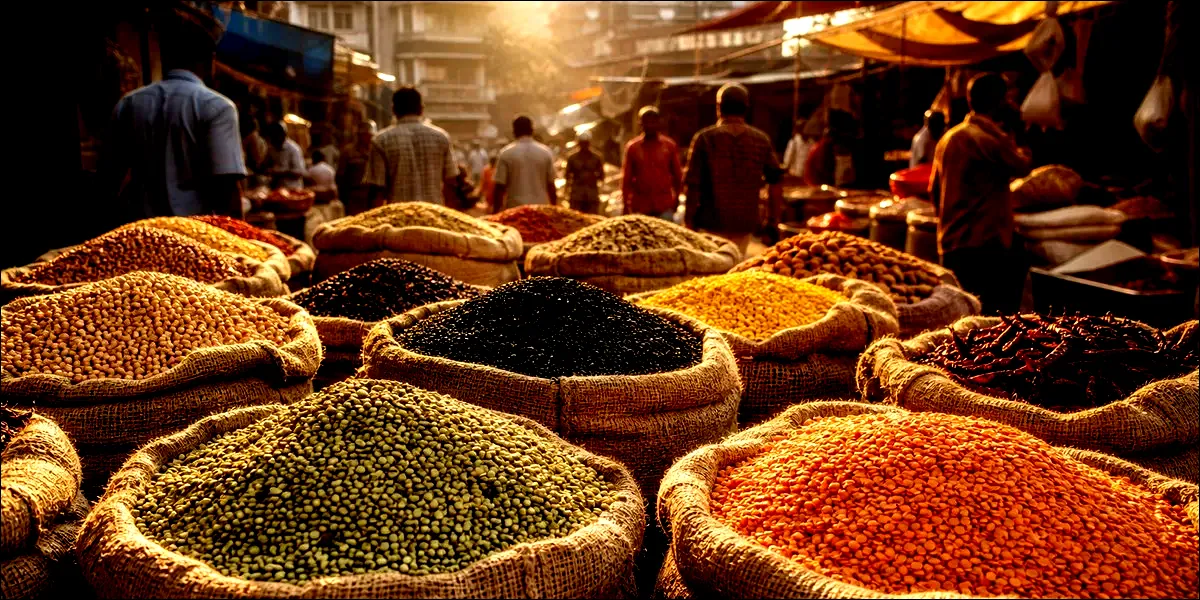
Canada is advocating for reduced tariffs on certain products in India, especially pulses and potash fertilizers. Minister Sidhu emphasized that India is a vital market for Canada, making this relationship essential.
### Focus on Technology and Agriculture
Canadian company Agri-Neo is at the forefront of introducing new technology to Indian exporters, offering solutions for pasteurizing and treating dry foods, such as seeds, nuts, and herbs. Company representative Shivam Chandran expressed that India’s domestic market is evolving, indicating a rising demand for modern food safety technologies in the coming years.
Additionally, Paola Duncan, CEO of OrionSea Enterprises, a Canadian pulse exporter, highlighted India’s recent announcement of a tender for 60,000 tonnes of lentils due to a disappointing harvest. She stressed that Canada must continue to be competitive in both price and quality to maintain its status as a leading supplier.
Currently, bilateral trade between Canada and India stands at approximately $30 billion annually. The Canadian government has set an ambitious goal to increase this figure to $70 billion by the year 2030.
