
Report Highlights Continued Flights from Iranian Airlines to Turkey Despite U.S. Sanctions
A recent report has revealed that at least 83 flights from U.S.-sanctioned Iranian airlines landed in Turkey within five days following a crucial U.S. sanctions deadline. This data, analyzed by the Foundation for Defense of Democracies (FDD), raises questions about the effectiveness of American pressure on countries that maintain ties with these airlines.
The report, released on September 28, indicates that U.S. measures have driven Iranian airlines out of various regional markets, including Iraq and the UAE. However, Turkey remains a notable exception, allowing these flights to continue.
On September 8, the U.S. Treasury Department announced broad new sanctions targeting Iran’s aviation sector, designating all remaining active Iranian airlines under Executive Order 13902. These sanctions were triggered by concerns that Iran’s aviation industry has been instrumental in transporting weapons, personnel, and illicit goods. The Treasury cautioned foreign businesses about the potential repercussions of working with these sanctioned carriers.
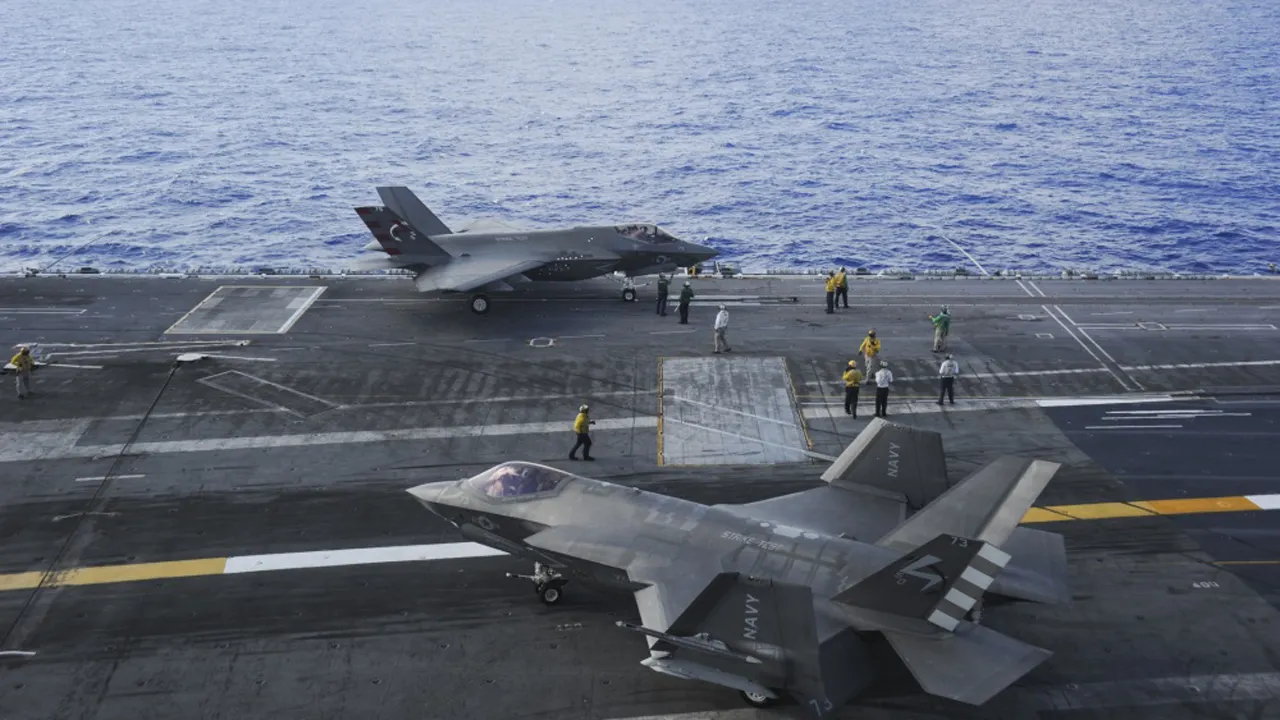
These findings come amidst a complex backdrop in U.S.-Turkey relations. President Donald Trump has emphasized his close ties with Turkish President Recep Tayyip Erdoğan, suggesting potential pathways for Turkey to regain access to the F-35 fighter jet program. Turkey was removed from this program after acquiring Russia’s S-400 air defense system, which led to sanctions in 2020.
During an official visit to Turkey in July, Trump expressed intentions to lift these sanctions and assess Turkey’s situation regarding the F-35s. Erdoğan recently indicated expectations for Washington to take significant actions toward Turkey’s reinstatement in the program.
As recently as September 23, U.S. Treasury Secretary Scott Bessent warned that any companies providing services to Iranian airlines risked losing access to the U.S. financial system after the deadline. However, FDD researchers found that flights from these airlines landed in Istanbul, Ankara, and Izmir, highlighting a gap between Turkey’s actions and the U.S. sanctions.
Among the flights were those from 12 Iranian airlines, including Iran Airtour and Caspian Airlines, with significant landing counts. Many of these airlines had recently been added to the U.S. sanctions list.
The U.S. Treasury has continued discussions with Turkish officials, warning them about the risks faced by Turkish businesses and financial institutions that facilitate operations for these Iranian airlines. Following discussions last month, some Turkish carriers, including Turkish Airlines and Pegasus, withdrew flights to Iran, while Mahan Air ceased operations to Turkey.
Despite these steps, several Iranian airlines persist with flights into Turkey, according to FDD. The situation underscores the challenges faced by the U.S. in enforcing sanctions and curbing Iran’s activities globally.
Experts believe that if the U.S. targets the Turkish companies supporting these sanctioned airlines, it could significantly reduce their operational capabilities in Turkey. The findings are part of a broader campaign by Washington aimed at isolating Iran economically and cutting off its revenue streams.
In addition to Iranian flights, another group has reported ongoing Iranian maritime activities, including shipping operations near Malaysia that are potentially aimed at evading sanctions. These ongoing developments show a persistent challenge in enforcing restrictions against Iran’s international operations.
Overall, this scenario highlights the difficulties faced by the U.S. in ensuring compliance with its sanctions and underscores the delicate nature of international relations in this context.
