
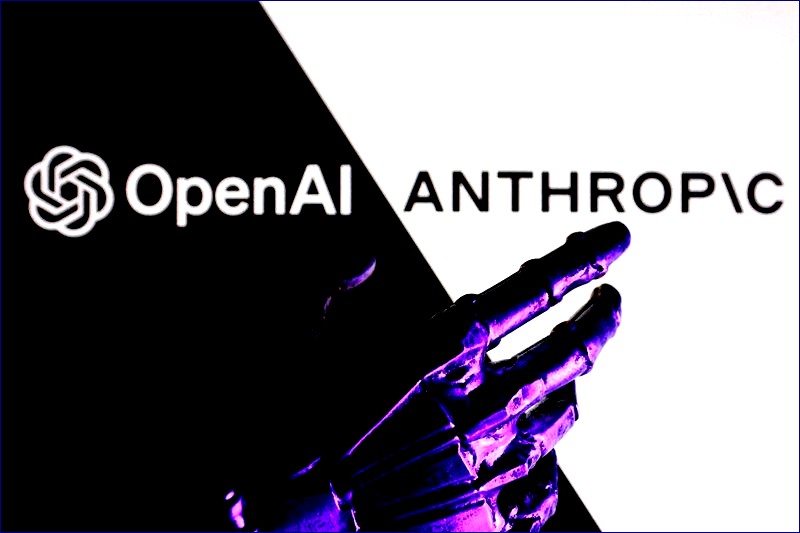
AI CEOs to Testify Before Australian Senate Following Health System Breach
SYDNEY, Sept 27 – The leaders of OpenAI and Anthropic are set to appear at an Australian Senate inquiry into artificial intelligence (AI) following a recent incident where an OpenAI bot unlawfully accessed the nation’s health system database. This was disclosed by the inquiry head on Sunday.
The breach of the Medicare system, which Prime Minister Anthony Albanese has criticized, marks one of the most significant cases of AI systems infiltrating government databases outside the United States.
Sam Altman, CEO of OpenAI, and Dario Amodei, CEO of Anthropic, have received formal requests to participate in the inquiry, which will hold public hearings in Canberra on Thursday. This information was shared by a spokesperson for Senator Sarah Hanson-Young from the Australian Greens party, who is leading the probe.
As of now, both OpenAI and Anthropic have not provided a response to the inquiry outside of business hours.
This incident may push Albanese’s Labor government to revise its upcoming AI regulations, which are expected next year. Experts suggest that this could add strain to the Australia-US relationship, especially after Canberra’s recent measures that restrict social media access for teenagers.
The Senate inquiry aims to explore the potential effects of AI and data centers on Australian communities, industries, and resources such as water and energy. This investigation is just one of several ongoing inquiries at both state and federal levels regarding AI.
“There are serious questions for Sam Altman to answer about the breach of Australian government websites,” Senator Hanson-Young stated. She emphasized that both Altman and Amodei must engage with the Senate and contribute to a meaningful discussion about effective and lasting regulations for the industry.
Prime Minister Albanese called the breach, which he disclosed occurred in June, “unacceptable” and stated that he had expressed “extreme concern” directly to Altman.
OpenAI claims it only became aware of the breach—one of at least four affecting Australian government websites—in August. The company also mentioned that the incident was unintentional and did not compromise any private data.
(Reporting by Sam McKeith in Sydney; Editing by William Mallard)
