
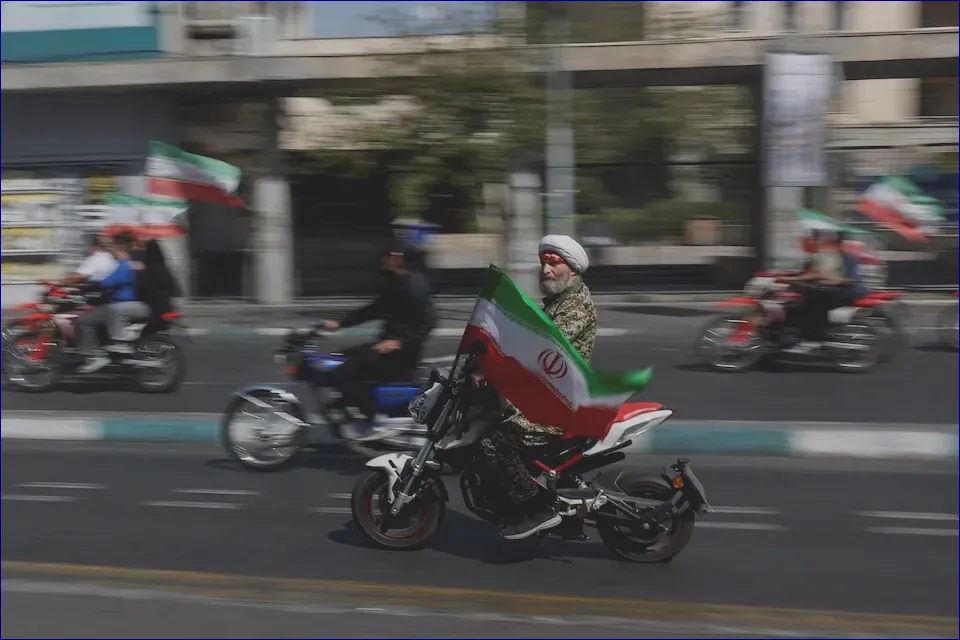
Iran Calls for Diplomatic Solutions Amid Tensions with the U.S. and Israel
WASHINGTON/UNITED NATIONS/CAIRO: On Sunday, Iran emphasized that only diplomatic efforts could resolve ongoing tensions with the United States and Israel, following remarks from U.S. President Donald Trump rejecting an Iranian proposal aimed at reopening the strategic Strait of Hormuz.
Iran’s Foreign Minister, Abbas Araqchi, shared on social media that the conditions for reopening the Strait of Hormuz are clear and stated, “Only a negotiated solution can get them out of this deadlock.” Last week, Iran presented a peace proposal during the UN General Assembly in New York, which was reportedly communicated to the U.S. through Qatari intermediaries. However, Trump publicly dismissed the proposal, suggesting that Iran’s urgency for an agreement stems from its struggling position.
“They want to make a deal to open the Hormuz Strait immediately because they’re losing so badly,” Trump commented during a press briefing.
Despite Trump’s rejection, Araqchi noted that mediators facilitating discussions with the U.S. have not confirmed any official denial of the proposal from American officials. “We are waiting for the mediators to convey the definitive views to us, and we will make a decision based on them,” he stated.
In the meantime, the U.S. has imposed economic sanctions on Iran, aiming to pressure Tehran to halt attacks on vessels navigating the Strait of Hormuz. These tensions have significantly affected shipping in the region. Trump maintains that the United States has control over this vital waterway.
According to a report by the Wall Street Journal, Trump’s skepticism about Iran agreeing to his terms has led him to consider a renewed military campaign possibly after the upcoming U.S. midterm elections. Nonetheless, a U.S. official previously indicated that discussions with Iran through intermediaries have been viewed as “positive and constructive.”
The ongoing conflict has deeply affected global oil supplies and overall economic stability. Araqchi highlighted that the proposed deal would initiate a countdown for reopening the Strait and offer a ceasefire in regional hostilities. “If there is seriousness on the U.S. side to come to a deal and reopen the Strait of Hormuz, everything is now prepared,” he said, suggesting that this could lead to broader negotiations including Iran’s nuclear program.
While Trump insists that Iran must not develop nuclear weapons, an Iranian official stated that Tehran would not compromise on its nuclear rights, including uranium enrichment. Iranian President Masoud Pezeshkian recently expressed Tehran’s readiness for talks on the nuclear issue but firmly opposed any form of intimidation during the process.
“Iran is not seeking war, but will defend itself against pressure, threats, and attacks,” Pezeshkian asserted, adding that Iran has already agreed not to pursue nuclear arms.
Since the start of hostilities on February 28, which saw U.S. and Israeli attacks, the conflict has escalated and resulted in thousands of casualties, severely impacting Iran’s military and economy. In response, Iran has retaliated against U.S. allies in the Gulf, showcasing the widespread implications of this tense situation.
On a related note, Yemen’s Saudi-led coalition announced that it intercepted several missiles and drones launched by Houthi forces aimed at Saudi Arabia, indicating the ongoing volatility in the region.
